4 min readNew DelhiUpdated: Jun 8, 2026 08:09 PM IST
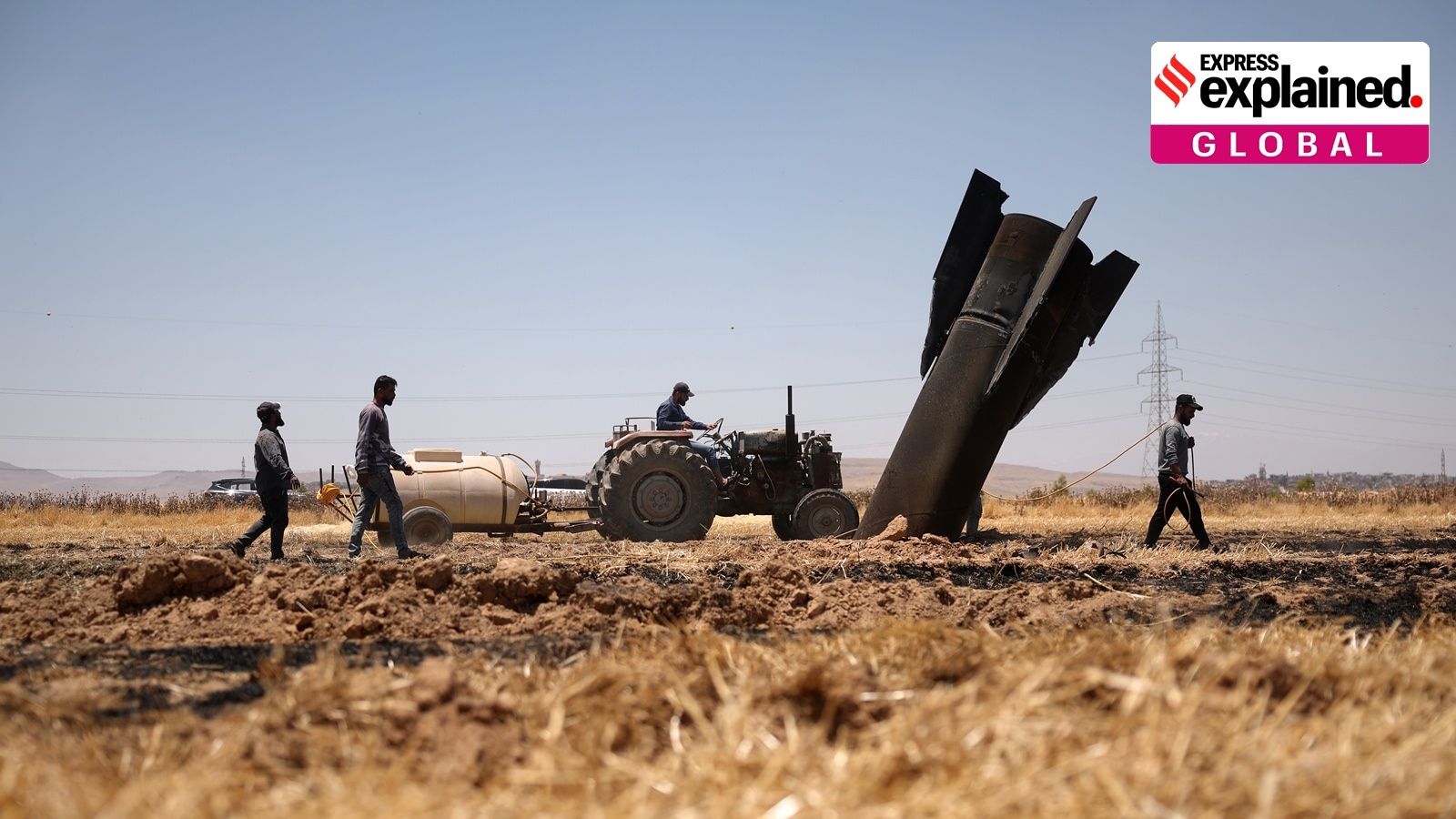
Almost two months after a Pakistan-brokered ceasefire, Iran and Israel traded direct strikes at each other’s territories again, over Sunday night and Monday. For a while, return to full-scale war looked imminent, till Iran announced it was halting its campaign as long as Israel too kept the peace. US President Donald Trump announced on Truth Social that “Both sides, Israel and Iran, are looking to do an immediate CEASEFIRE!”. He said “final negotiations” for peace were proceeding, “subject to ignorance or stupidity getting in its way.”
What was different this time was that Iran launched attacks directly on Israel in retaliation for the latter’s actions in Lebanon.

As multiple conflicts rage —Israeli action in Gaza, Israeli action in Lebanon, and the US-Israel-Iran tussle, with Iran’s retaliation covering much of West Asia — what do the events of the past day say about the future of the wars?
Iran entrenches Lebanon position
Iran has always said that any peace deal must include Lebanon too, but the Israeli campaign there continues despite multiple announcements of ceasefires. With the strikes on Sunday night, Iran has made it clear that it is willing to go beyond statements on Lebanon. It has asserted that a one-on-one peace deal with the US is not possible till Washington continues to give Benjamin Netanyahu a free hand in Lebanon.
Trump-Netanyahu divide
A major fall-out of the recent events is the question they raise on Trump’s ability to get Netanyahu to uphold American commitments. Despite Trump announcing multiple times that he would rein in Israel, including in Lebanon, Netanyahu has continued to escalate.
Both Trump and Netanyahu face elections later this year. For Trump, a prolonged war and its attendant economic consequences are damaging. But for the Israeli leader, stopping the campaign now under pressure from Trump would dent his image domestically.
“This latest escalation could be Netanyahu’s last major attempt to force Trump out of any peace deal. However, Trump is set to lose regional support in West Asia if he can’t keep Israel in check. Trump faces immense pressure to seal a deal before the next NATO summit in Ankara in July. If his attempts fail, the summit is likely to see major faultlines,” Omair Anas, who teaches International Relations at the Ankara Yildirim Beyazit University, Türkiye, told The Indian Express.
Story continues below this ad
Lebanon govt in uncomfortable position
The events also complicate the position of the Lebanon government, which is holding official peace talks with Israel. Beirut would prefer less influence from Tehran and its proxy Hezbollah on its actions, but the opposite will happen if a ceasefire does come to Lebanon on the point of Iranian guns. Despite several rounds of talks with Israel, being mediated by the US, the Lebanese government has been unable to stop strikes on its soil.
“The recent Iranian actions complicate negotiations between Israel and Lebanon, but for the mediator US, this is apparently acceptable in the larger geopolitical context. Trump is willing to speak to Hezbollah as well as the Lebanese government for a ceasefire. Hence, today’s strikes by Iran cause collateral damage to the autonomy of the Lebanese government,” Anil Trigunayat, retired IFS officer who has worked in the Ministry of External Affairs’ West Asia Division, told The Indian Express.