3 min readMay 26, 2026 01:33 PM IST
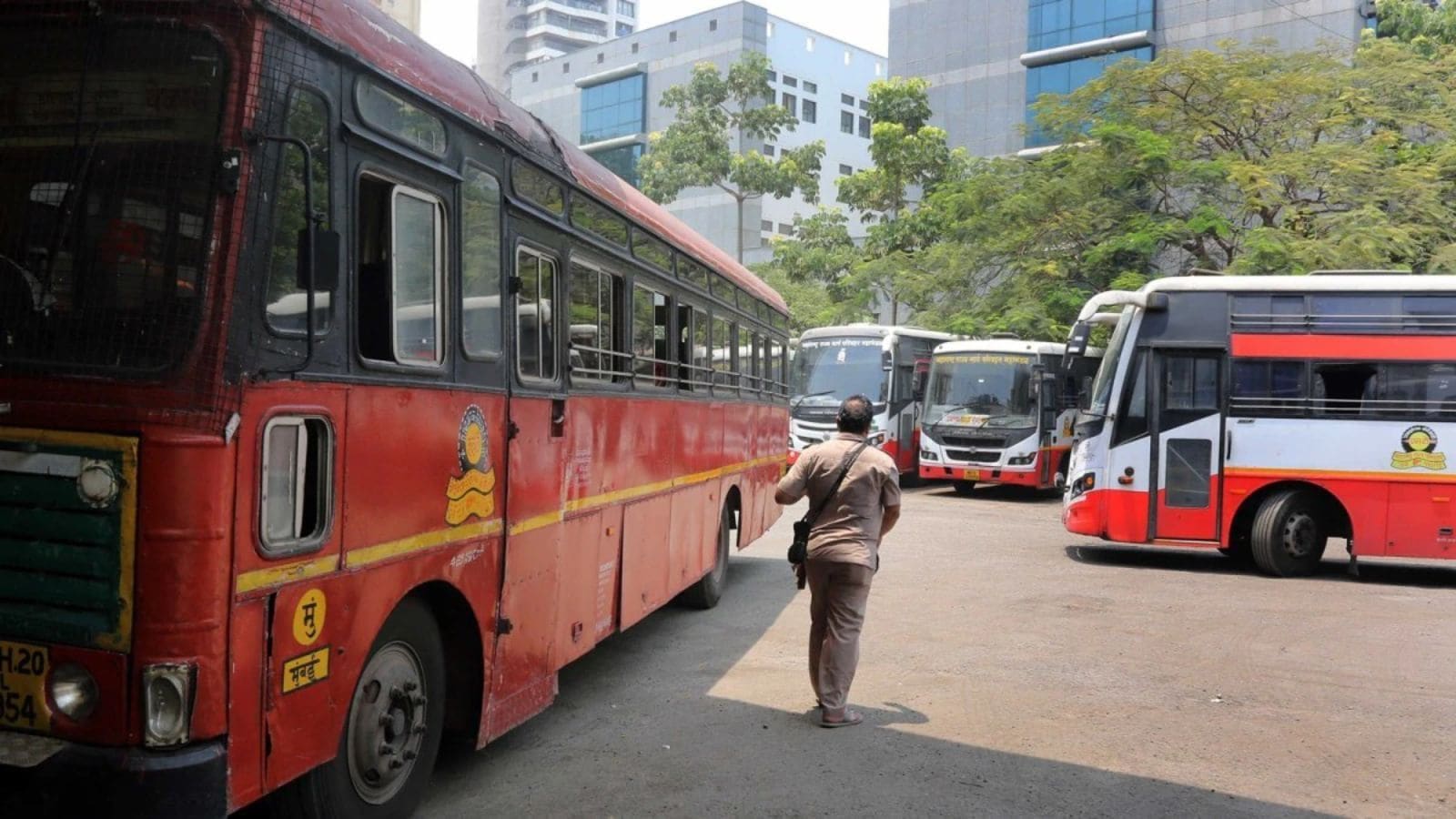
Facing mounting fuel costs and growing pressure on its finances, the Maharashtra State Road Transport Corporation (MSRTC) has launched a statewide diesel-saving drive under which drivers and depots achieving higher fuel efficiency will be rewarded with incentives.
The move comes days after Transport Minister and MSRTC Chairman Pratap Sarnaik indicated that the state-run transporter may have to consider a fare hike if diesel prices continue to rise.

MSRTC currently consumes an average of 10.87 lakh litres of diesel every day to operate its fleet across Maharashtra, making fuel one of the corporation’s biggest recurring expenses. Under the campaign, titled “Fuel Saving Means Fuel Creation,” depots across the state will be assigned fuel-saving targets, while drivers recording better kilometres-per-litre (KPL) performance will receive financial rewards and recognition.
According to Sarnaik, even small reductions in fuel consumption can lead to substantial savings. He said that if each depot saves at least five litres of diesel daily, the corporation could collectively save around 1,000 litres every day, translating into nearly Rs 1 lakh in daily savings at current fuel prices. “Small savings create financial discipline and can become a major strength for the organisation in the long run,” he said.
As part of the drive, all divisional controllers and depot managers will be directed to set depot-wise fuel conservation targets and regularly monitor diesel consumption. Officials have also been asked to identify measures that can improve fuel efficiency across operations.
The corporation will introduce incentives for drivers who record outstanding fuel-efficiency performance. Drivers demonstrating efficient driving practices will be felicitated and provided with financial rewards. “An ST driver is not merely a vehicle operator but a contributor to the corporation’s economy. Responsible and skilled driving can save the organisation lakhs of rupees,” Sarnaik said.
MSRTC will also reward depots that surpass their prescribed fuel-saving goals with monthly awards and additional incentives. The minister said the move is intended to encourage healthy competition among depots and create a culture of conservation within the organisation.
Story continues below this ad
The campaign will be backed by training and monitoring measures. Drivers whose buses record lower kilometres-per-litre (KPL) figures due to improper driving techniques will undergo counselling and retraining. Training sessions will focus on maintaining optimal speeds, correct gear usage, reducing unnecessary engine idling and adopting efficient braking practices.
The minister also stressed the importance of timely maintenance and regular technical inspections, noting that issues such as incorrect tyre pressure, poor engine tuning, oil leaks and brake defects contribute significantly to fuel wastage. “Fuel conservation is not only about reducing expenditure but also about protecting national resources,” Sarnaik said, urging employees and officers to actively participate in the initiative.
Earlier this month, Sarnaik said the state-run transporter was assessing the financial impact of a recent diesel price increase and warned that maintaining existing fares could become difficult if fuel costs remained high. While no decision has been taken on a fare revision, the corporation has been exploring measures such as fuel conservation, expenditure control and operational efficiency to reduce financial pressure.