

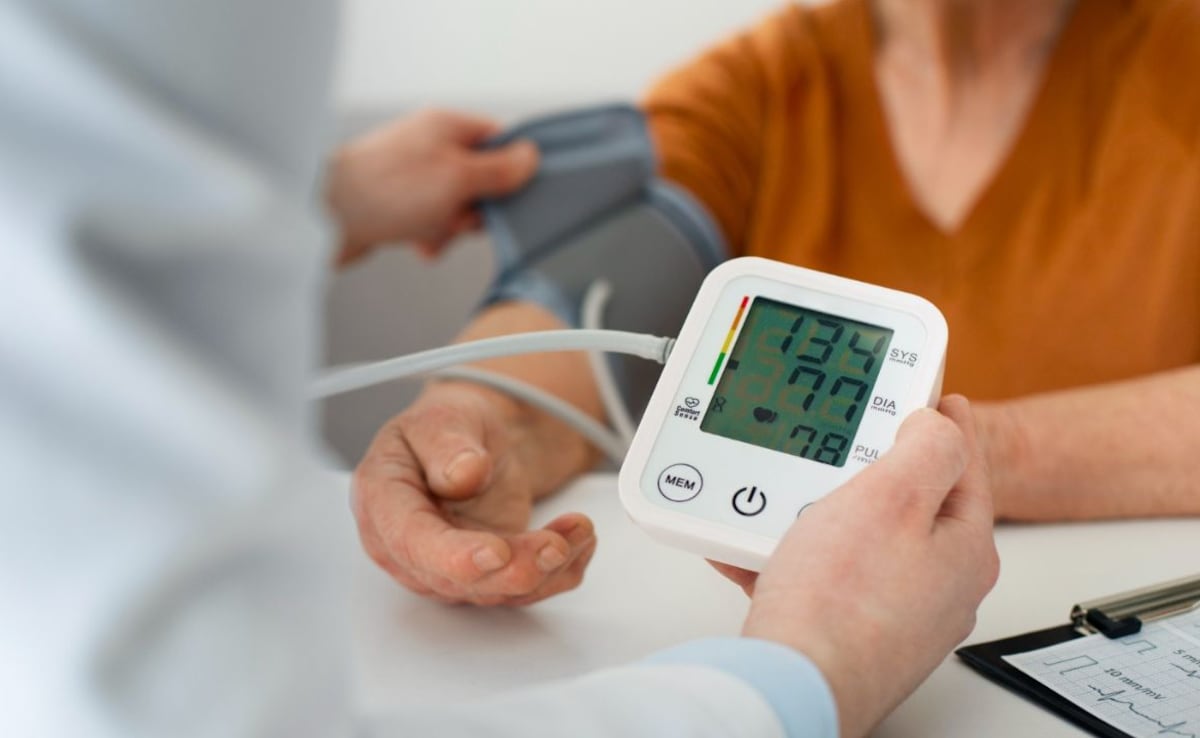
High blood pressure is often linked with heart problems, stress, or unhealthy lifestyle habits. Many people take medicines to control it and continue with daily life without thinking much beyond the numbers on the blood pressure monitor. However, hypertension can sometimes be more than just a common health condition. It may actually be the body’s early warning signal for a hidden problem developing in the kidneys. Since kidney disease often progresses quietly without obvious symptoms, recognising this connection becomes extremely important. Paying attention to blood pressure changes can help identify kidney issues before they become severe.
Speaking to NDTV, Dr Anuja Porwal, Director Nephrology and Kidney Transplant Medicine, Fortis Hospital Noida, said that high blood pressure is frequently overlooked as a routine problem, while it may be pointing toward kidney damage. Many people know that uncontrolled hypertension can harm the kidneys over time, but fewer understand that kidney disease itself can trigger high blood pressure. In many cases, hypertension becomes the first and most reliable sign of kidney damage, especially in children, adolescents, and young adults. Understanding how the kidneys regulate blood pressure can help people recognize why early diagnosis and treatment matter.
How Kidneys Control Blood Pressure
The kidneys do much more than remove waste from the body. They also play a major role in maintaining healthy blood pressure levels. Healthy kidneys regulate the amount of fluid in the body and release hormones that help keep blood pressure balanced.
“Your kidneys are your body’s master blood pressure regulators. When healthy, they perfectly balance fluid levels and release specific hormones to keep your blood pressure stable,” said Dr. Porwal.
When the kidneys are functioning properly, they manage this process efficiently. However, if the kidneys become damaged due to conditions such as diabetes, infections, glomerular diseases, or inherited disorders, their blood flow reduces. The kidneys interpret this reduced flow as a signal that the body is facing a crisis.
To respond, they release hormones, especially renin, which causes blood vessels to narrow and encourages the body to retain salt and water. This process increases blood pressure significantly. As a result, hypertension may appear even before other signs of kidney disease become noticeable.
When High Blood Pressure Becomes A Red Flag
Not every case of high blood pressure is related to kidney disease, but some situations deserve attention.
One important warning sign is new-onset hypertension in people younger than 30 years. High blood pressure at a younger age without a clear reason may indicate an underlying kidney problem.
Another concern is resistant hypertension. This refers to blood pressure that remains high despite using three or more medications. If blood pressure refuses to come under control, doctors often investigate whether kidney disease could be responsible.
Sudden worsening of previously controlled blood pressure in middle-aged or older adults can also be a reason for kidney evaluation. In such cases, the kidneys may be struggling silently while the body signals distress through rising blood pressure levels.
Symptoms That Should Not Be Ignored
Kidney disease is often called a “silent condition” because many patients do not notice symptoms during the early stages. This makes regular monitoring even more important.
As the disease progresses, certain warning signs may appear. These include swelling in the feet, unusual tiredness, breathlessness, frequent headaches, disturbed sleep, reduced appetite, and changes in urination patterns.
Some people may notice foamy urine, changes in urine colour, or increased frequency of urination. Persistent high blood pressure despite medication should also be treated as an important sign rather than ignored.
Because symptoms can be mild or delayed, relying only on physical discomfort may lead to late diagnosis.
Tests That Can Help Detect Kidney Disease Early
If blood pressure remains high or difficult to control, doctors may recommend a few simple tests to check kidney health.
A kidney function test helps evaluate how well the kidneys are working. Blood tests measuring serum creatinine levels can reveal reduced kidney function. Urine routine tests may show protein or blood in the urine, both of which can indicate kidney damage.
An ultrasound of the kidneys and urinary bladder may also help identify structural problems or signs of disease.
These tests are relatively simple but can play a major role in detecting kidney disease early, when treatment is more effective and complications can be reduced.
Protecting Kidney Health Through Lifestyle Changes
“Your kidneys are your body’s master blood pressure regulators. When healthy, they perfectly balance fluid levels and release specific hormones to keep your blood pressure stable,” said Dr. Porwal.
Lifestyle habits can make a significant difference. Reducing salt intake helps prevent fluid retention and lowers pressure on the kidneys. Staying hydrated, maintaining a healthy body weight, exercising regularly, and managing stress are equally important.
Avoiding smoking and taking medicines only under medical supervision can further reduce the risk of kidney damage.
Regular blood pressure monitoring should not be viewed only as a way to protect the heart. It is also an important step in identifying kidney disease early and slowing its progression.
Disclaimer: This content including advice provides generic information only. It is in no way a substitute for a qualified medical opinion. Always consult a specialist or your own doctor for more information. NDTV does not claim responsibility for this information.