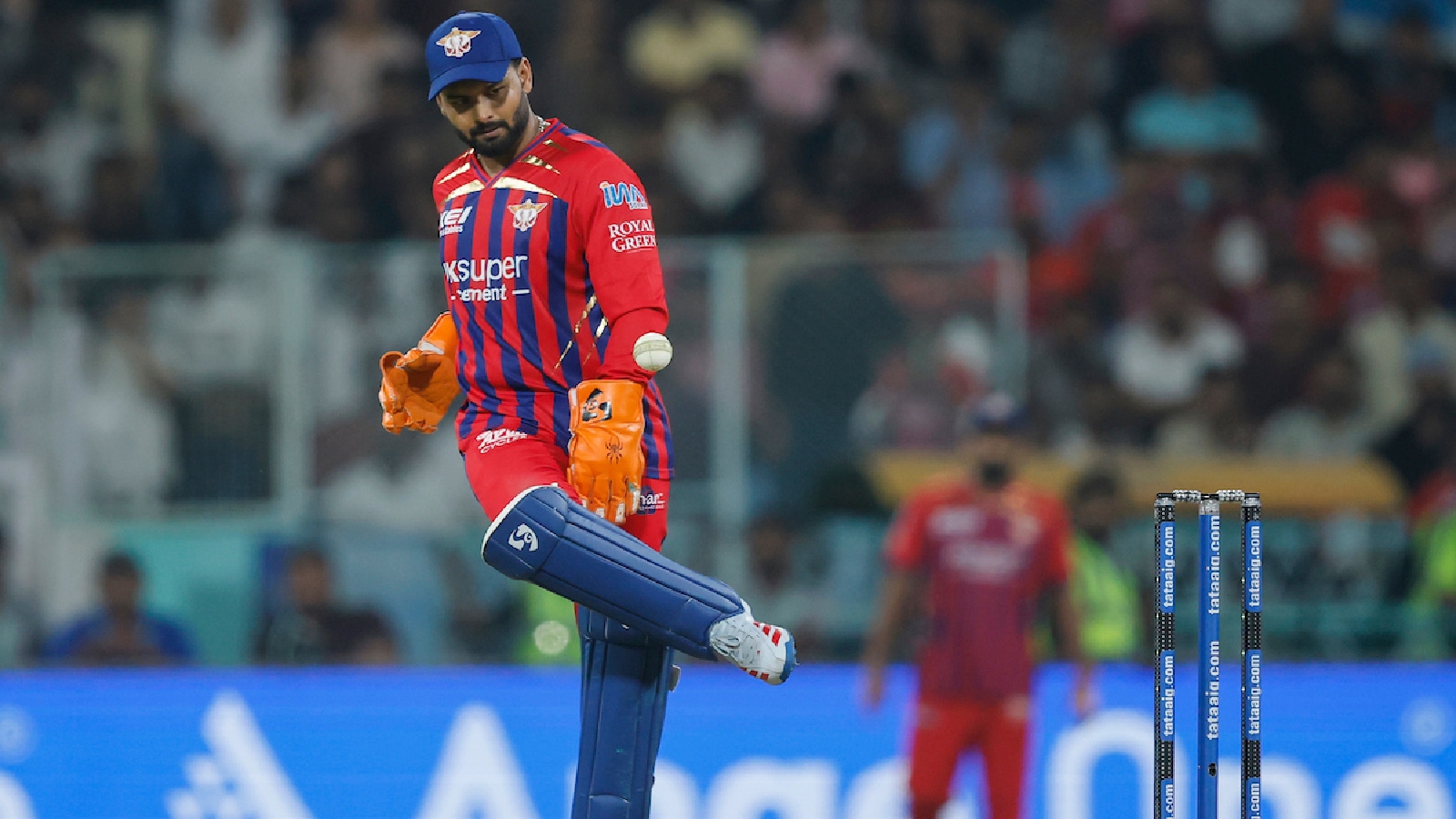
Last May, Pep Guardiola threatened he would quit if Manchester City’s squad size was not trimmed. The quit-threat was filed jokingly, but he genuinely believed that a bloated squad makes for an uneasy locker room. “I don’t want to leave five or six players in the freezer. I will quit. Make a shorter squad, I will stay,” he said. A smaller, close-knit group, he argued, would compose a stronger team.
But rather than trimming, City fattened the squad. Seven new players were added in both a structural as well as a strategic overhaul; six regulars or squad members left permanently or on loan. In the January transfer, their fortunes ebbing and flowing, City spent nearly 85 million pounds to acquire the services of winger Antoine Semenyo and centre-back Marc Guehi. Both signings have starred in City’s recalibration and the resurgent title sprint.

Rather than a reflection of City’s dizzying buying powers it was a validation of the depth required to turbocharge silverware quests, doubles and trebles. The days of managers fielding fledglings in domestic tournaments, or trivialising trophies of less glitter, are long gone, as every trophy won eases financial burden. Every pound counts in the ledger, amid the scything scrutiny of the Profitability and Sustainability Rules. Besides, football has transformed into an athletic pursuit. Increased speed and intensity have doubled the frequency of injuries and workload. No amount of stocking, thus, is overstocking (except for directionless Chelsea, where not even the support staff could recollect the names of all the players as well as the manager this season). Arsene Wenger, after finishing second in 2013-14, spending 128 nights on top, called it the “stamina league”. The captain, coincidentally, was Mike Arteta.
| Premier League title race on knife edge with Man City, Arsenal level on points and goal difference
More numbers (albeit quality ones), equates to more options, tactics, ideas, rest, less workload, burnout and stress-related injuries. Thus, deeper the squad brighter the prospects of winning the league, or landing multiple trophies. Arsenal too muscled the bench and ensured the team had the legs and gas to sustain a title-winning intensity till the last game. The Gunners have suffered a cruel tryst with injuries. A raft of starters have found themselves on the injury table in different phases of the season. Yet, they did not wither because the reinforcements were sufficient. Defender Cristhian Mosquera put on stoic shifts for both William Saliba and Gabriel, whenever they were injured or suspended. Piero Hincapie has donned all roles in the backline. Midfielder Mikel Merino convinced with his false nine duties. Eberechi Eze’s creativity reduced the pain of missing Martin Odegaard; Noni Madueke might not have the inventiveness of Bukayo Saka in the final third, but his speed and work rate have rattled defences. But for their bench-building, Arsenal’s title dreams would have been long extinguished.
The depth of the title-rivals are so marvellous they could field an eleven from the bench and still defeat their opponents.
City did not fret over Rodri’s fitness for the FA Cup semi-final against Southampton because they could pair the blossoming Nico Gonzalez and the seasoned Mateo Kovacic at the heart of midfield. They could afford benching half of their regulars, including Erling Haaland, left-back Nico O’Reilly, and centre-back duo of Guehi and Abdukodir Khusanov, the deputies of the long-injured Ruben Dias and Josko Gvardiol. Yet, there was little shortage of title-holding experience. Except for Haaland, they have a near-identical alternative for most of their personnel.
Story continues below this ad
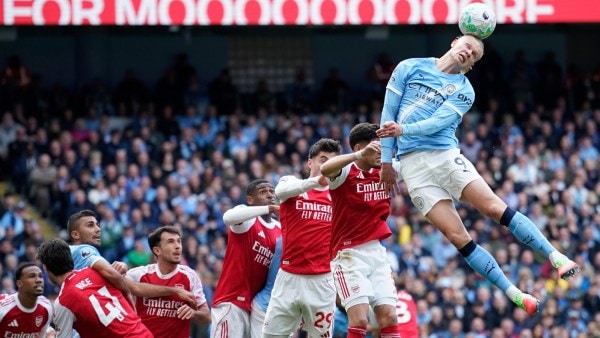 The depth of the title-rivals are so marvellous they could field an eleven from the bench and still defeat their opponents. (AP)
The form of Phil Foden, Jeremy Doku and Tijani Reijnders have fluctuated, but then the rivals turned into Rayan Cherki, his floating feet vexing most defences. He has unlocked the tightest of defences with a wink of an eye, the twitch of a toe or the drop of a shoulder. The geometry of the pitch shifts and shrinks to his will. Passing lanes turn toward him or for him. City had not a singular talisman this season, or a conductor whispering the chords. Instead, that has produced a concert of a glorious ensemble cast. Haaland tops the scoring charts (24); Semenyo has slammed 15. Thirteen others have entered the scoring charts. Cherki has assisted most (10); seven more have logged three or more assists.
| Cherki’s inventiveness, Haaland’s redemption script City’s seismic win
Arsenal’s bench pales to City’s riches. But most would start for most other sides in the league. It’s not merely numerical depth, but with emphasis on quality and multidimensionality. Two of Guardiola’s fullbacks are midfielders by trade. Merino, before getting injured, was his Swiss Army Knife, capable of leading the line as a false nine, or operating as a box-to-box midfielder or a deep-lying defensive screen. In the previous season, Arsenal’s central midfield depth has been suboptimal. The acquisition of Martin Zubimendi has offered tactical malleability for Arteta. He has used him as an anchor, just as he had employed him as a double pivot alongside Declan Rice against free-scoring teams. Should they run into PSG in the Champions League final, Arteta could couple them again. Similarly, Riccardo Calafiori, Hincapié and Jurrien Timber are comfortable on both flanks, facilitating them to alternate build-up patterns.
The more cohesive unit, though, is City’s, achieved through rigorous drilling and frustrating failures. Guardiola might still quit when the season ends, but he might never brood on trimming the squad. Not even as a joke.