

4 min readNew DelhiUpdated: Jul 26, 2026 01:01 AM IST
The Gen Z (those born in the late 1990s to early 2000s) have taken to the streets across the globe over the past couple of years against corruption, economic inequality, education reforms, among other issues, against their governments. The teens and those in their 20s have rallied to express their views and used social media to mobilise, organise, and spread their movement to a global audience.
Student and youth-led protests have emerged in several countries over the past few years, and in some cases, these movements have reshaped national politics, such as in Bangladesh and Nepal, though the demands for a change in the existing political order haven’t been met everywhere, like in Indonesia, the New York Times reported.

Which countries have seen Gen Z protests?
Nepal
What happened? Youth-led protests contributed to pressure on the Nepal government and unseated KP Sharma Oli’s government after a massive anti-corruption demonstration that led to his resignation. The protests also took place against political impunity and a social media ban imposed by the government of Nepal, New York Times reported.
What changed? Elections were held in Nepal after six months, and a youth-backed party won the polls by a landslide. A 35-year-old rapper, Balendra Shah, became the new prime minister of the country, and it is considered one of the biggest victories of Gen Z to date.
Peru
What happened? The young residents of Peru took to the streets to protest against then-President Dina Boluarte and the Congress after a rise in the crime rate in the country. The president was toppled in October 2025, and the interim successor José Jerí was also impeached by Peru’s Congress in February 2026.
What changed? Peru now has interim President 83-year-old José María Balcázar, though the uprising in the nation cannot be solely credited to Gen Z, as there was an incumbency against the dispensation and chronic political instability.
Bangladesh
What happened? The movement has been described by some observers as one of the first major Gen Z-led political uprisings; the student-led protests in Bangladesh led to the ouster of former Prime Minister Sheikh Hasina’s government after a deadly crackdown by the administration. Hasina also fled the country in August 2024 to India, where she is currently in political asylum, NYT reported.
Story continues below this ad
What changed? A Nobel Peace laureate, Muhammad Yunus, was named the interim leader of Bangladesh, and fresh elections were held in the country in February 2026, making BNP’s Tarique Rahman the new prime minister of the country. Hasina was later convicted of crimes against humanity and sentenced to death by the International Crimes Tribunal in November 2025.
Indonesia
What happened? Youngsters, in August 2025, demonstrated against alleged lavish perks for the lawmakers at a time when the country was reeling from a high rate of unemployment and rising inflation.
What changed? Indonesian President Prabowo Subianto revoked some of the privileges being given to parliamentarians; however, chaos and protests spilt onto the streets. There wasn’t any ousting or downfall of the government.
What’s happening in India?
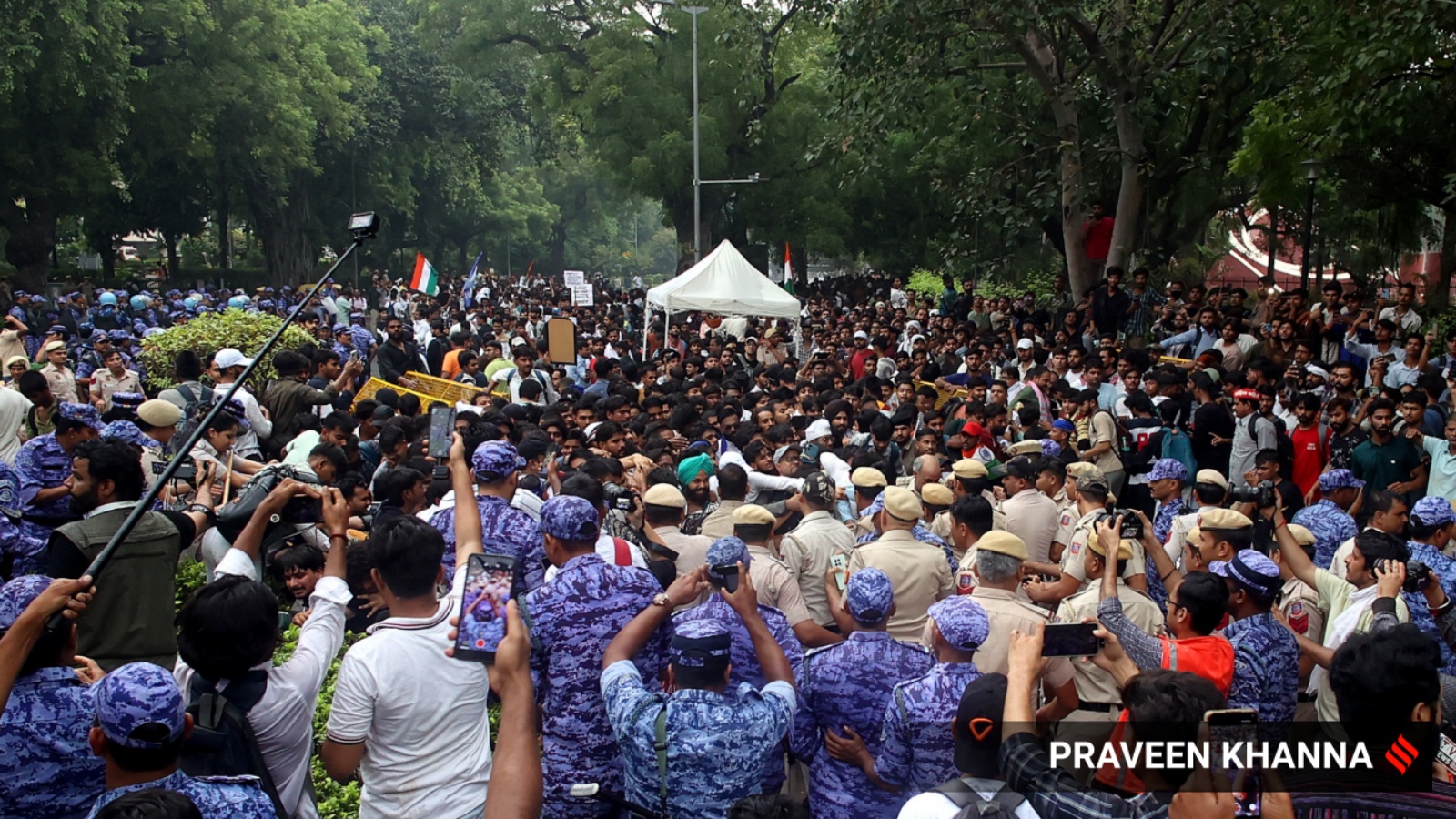
In India, a satirical online platform, Cockroach Janta Party (CJP), was formed in May by political communications strategist Abhijeet Dipke, and the first gathering of student-led protesters in June at Jantar Mantar, New Delhi demanded the resignation of Union Education Minister Dharmendra Pradhan.
Story continues below this ad
Educator and activist Sonam Wangchuk joined the protest on June 28, and the campaign intensified. The government held discussions with CJP and accepted its demand, with Pradhan announcing his resignation on July 25, PTI reported.
Stay updated with the latest – Click here to follow us on Instagram


