5 min readNew DelhiJul 21, 2026 01:08 PM IST
Most do not know that Bata is not an Indian brand. For Paramita Sen, however, that was never the case. Her father worked with Bata, and Batanagar in West Bengal was home. A resident of the company township from birth until 1985, Sen cherishes her years there.
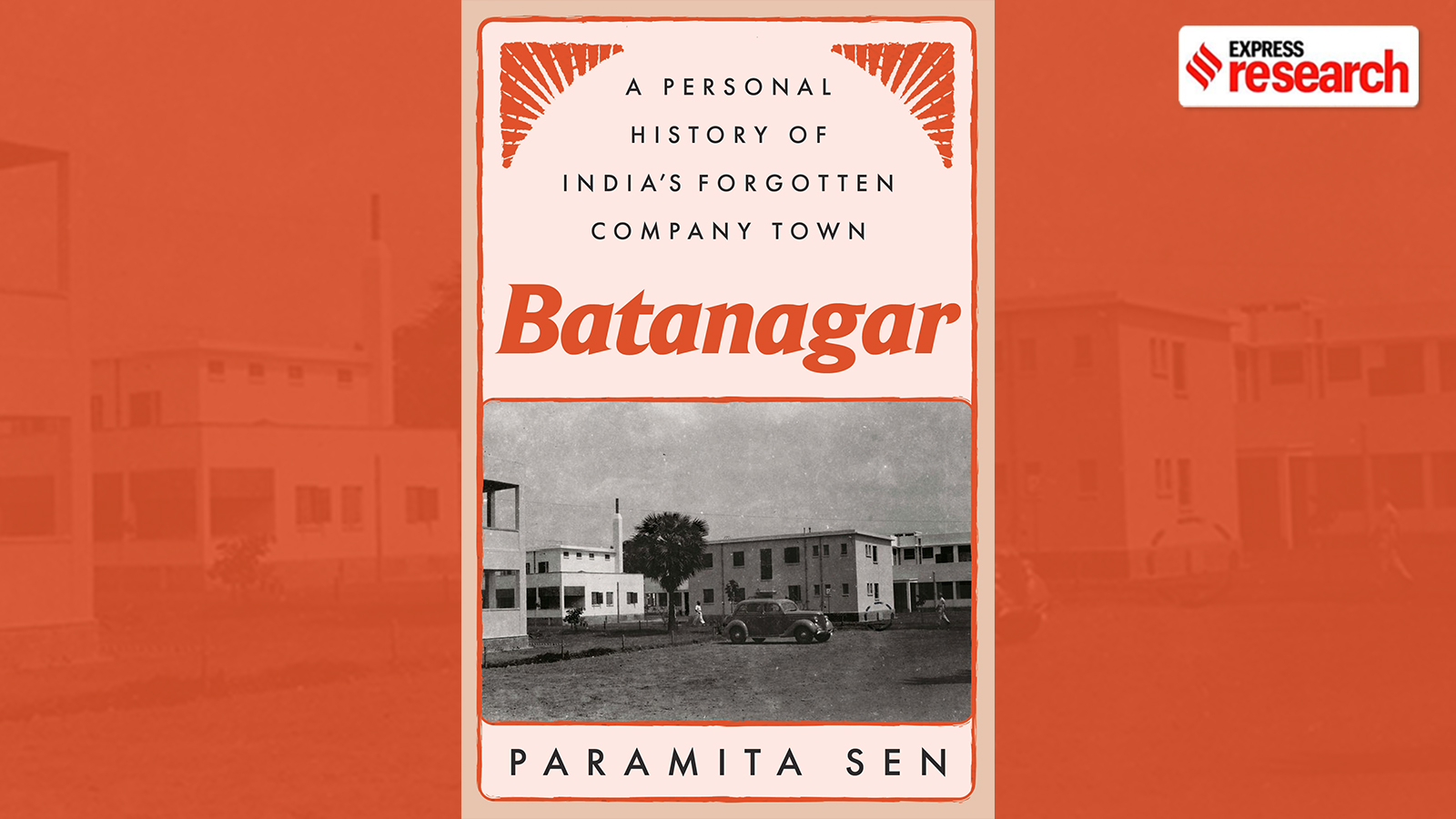
In Batanagar: A Personal History of India’s Forgotten Company Town (Pan Macmillan India, 2026), she draws on her lived experience to trace the emergence of a community shaped by a distinctive company culture that transcended geographical, cultural, and language barriers.

“What keeps taking me back to life in the colony is not solely its idyllic charm and ease of living, but a palpable, strong sense of community; a perception of belonging that remains unchanged to this day,” Sen writes in the introduction.
The following excerpt explores Bata’s journey and enduring appeal in an India undergoing economic liberalisation. Even as new brands entered the market, Bata endured and retained its popularity among the Indian middle class.
The excerpt complements our ongoing series, The Lesser Colonisers of India, which explores how commercial enterprises from countries other than Britain helped shape colonial India.
Excerpt:
However, not all Indian companies fared well post-liberalization. Bata was one such example. For decades before 1991, Bata held almost a monopolistic sway in the retail footwear market, protected by high tariffs on imports and with little competition from domestic brands. But liberalization started easing regulations on the footwear industry in India, enabling franchise-operated, capital-light brands like Khadim, Sreeleathers and Liberty to take advantage of low-cost outsourcing, thereby putting Bata at a disadvantage. Additionally, the extensive dismantling of licensing exposed the firm to global competition from international brands such as Adidas, Nike and Reebok. The image of the company took a hit as well, with its brands perceived as dated and out of fashion, as consumers moved towards athletic and fashion footwear, preferring to shop online or at malls instead of traditional stores.
Story continues below this ad
But liberalization was merely a catalyst that laid bare structural problems within Bata India, including a highly unionized labour force bound by dated and inflexible contracts, a complacent management slow to adapt to competition and a state government that, in 1978, declared its intent to prioritize small-scale businesses over large industries, specifically multinationals, to spur economic growth. The Left Front, which ruled West Bengal from 1977 to 2011, had a complicated relationship with industry in the state. Ideologically, it supported workers as part of a class struggle against capital, but as elected officials it was responsible for maintaining law and order and, not to mention, fostering economic growth in the state. While the government initially supported militant trade unionism in industry, it soon shifted towards ‘bilateral negotiations between labor and the management avoiding confrontation’.
Bata countered the headwinds from liberalization by launching an extensive advertising campaign, trying to remake its image among different demographics. Popular brands like North Star, Power and Marie Claire were given a makeover, while Hush Puppies and other premium brands were introduced into the high-end segment of the market later. However, against the general backdrop of industrial strife in the state during the 1980s, intermittent strikes and lockouts prevailed in Batanagar, with the ongoing conflict reflecting unresolved issues around salaries, benefits, living and working conditions. Bata joined other corporate entities in West Bengal, including Brooke Bond, Philips, Metal Box and Jessop, to start moving their headquarters out of the state. The freight equalization policy instituted by the central government after independence remained in effect until the mid-1990s, ensuring that all states had access to raw materials at the same price. The policy diminished Bengal’s innate advantage arising from its proximity to natural resources and prompted the beginning of its industrial decline. It was ‘poor work culture, political interference and failure of governance that resulted in industrial anarchy that scared off private investment in the state’.
Bata advanced southwards, starting to build its fifth factory in India, at Peenya, near Bangalore, in 1986. Construction was completed in 1987, and Southcan, as the facility was referred to, started producing footwear on a large scale soon after. The company introduced state-of-the-art technology and made significant investments to train personnel, but unlike in Batanagar, a company township was not built around the factory providing social welfare infrastructure and promoting community living among its employees. The new business strategy also included associates, small business enterprises, who were contracted to manufacture footwear for Bata under strict guidance and supervision. My father was part of the leadership team that spearheaded the southern operation, prompting our move to Bangalore in 1985.