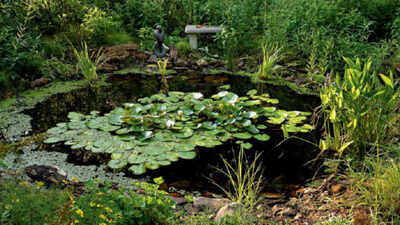
What began as a school assignment with a shovel and a patch of ordinary lawn has, nine years later, become a miniature wildlife sanctuary in Virginia’s Shenandoah Valley. In 2017, 14-year-old Maggie decided to build a backyard pond as part of her high school agriculture class project. Today, Maggie’s Pond is filled with aquatic life, surrounded by native plants and regularly visited by frogs, toads and other wildlife, a powerful testament to how a small change to a backyard can transform an entire ecosystem. According to the National Wildlife Federation, before the pond was built, the rural backyard was mostly a field of patchy grass, with crickets providing much of the natural soundtrack. In the fall of 2017, before she dug out the feature, Maggie researched pond designs. The pond was filled with water by spring 2018. Soon the rest of the family joined the project, landscaping the edges with soil, rocks and plants. It didn’t take long for wildlife to find the new habitat. And soon after the pond was filled, American toads showed up. Over the years, the pond grew, and a wider variety of creatures began to be drawn to it. The evening sounds around the pond today include the calls of gray treefrogs and green frogs, making the previously quiet backyard a vibrant natural space.
Native plants build the Ecosystem
That was just the start of the pond, adds the online report. The family learned how the native landscaping helps to support biodiversity and they began lining the water with plants that would be good for wildlife. Native species planted around the pond included buttonbush, Joe-Pye weed and pickerelweed, which provide food and shelter for pollinators and other wildlife. The family had the garden certified as a Certified Wildlife Habitat by the National Wildlife Federation. Later white water lilies were added to the pond and they also provided shelter for amphibians and aquatic invertebrates.
A little project with a bigger lesson
The transformation demonstrates how even relatively small habitat projects can make a difference when they provide food, water, shelter and appropriate native vegetation. What began with the odd wandering toad has blossomed into a functioning backyard ecosystem that attracts wildlife and gives the family a place to observe nature up close. In a time when the loss of biodiversity and extinction crisis can feel overwhelming, the project also provides a hopeful lens. A backyard pond cannot fix those problems by itself. But Maggie’s Pond is an example of how individual homeowners can create pockets of habitat that support local species. Nine years after a teen picked up a shovel for a school project, the result is more than a pond; it is a living testament that restoring wildlife does not always require large reserves or large-scale projects. Sometimes it can be a small patch of grass, some research and the decision to make room for nature.