A drive that usually takes 25-30 minutes through central Delhi’s evening traffic was cut to just 11 minutes on Saturday, as a rare “green corridor” rushed South African bowler Lungi Ngidi from Feroz Shah Kotla to BLK Max Hospital in Rajender Nagar after a heavy on-field fall during an IPL match.
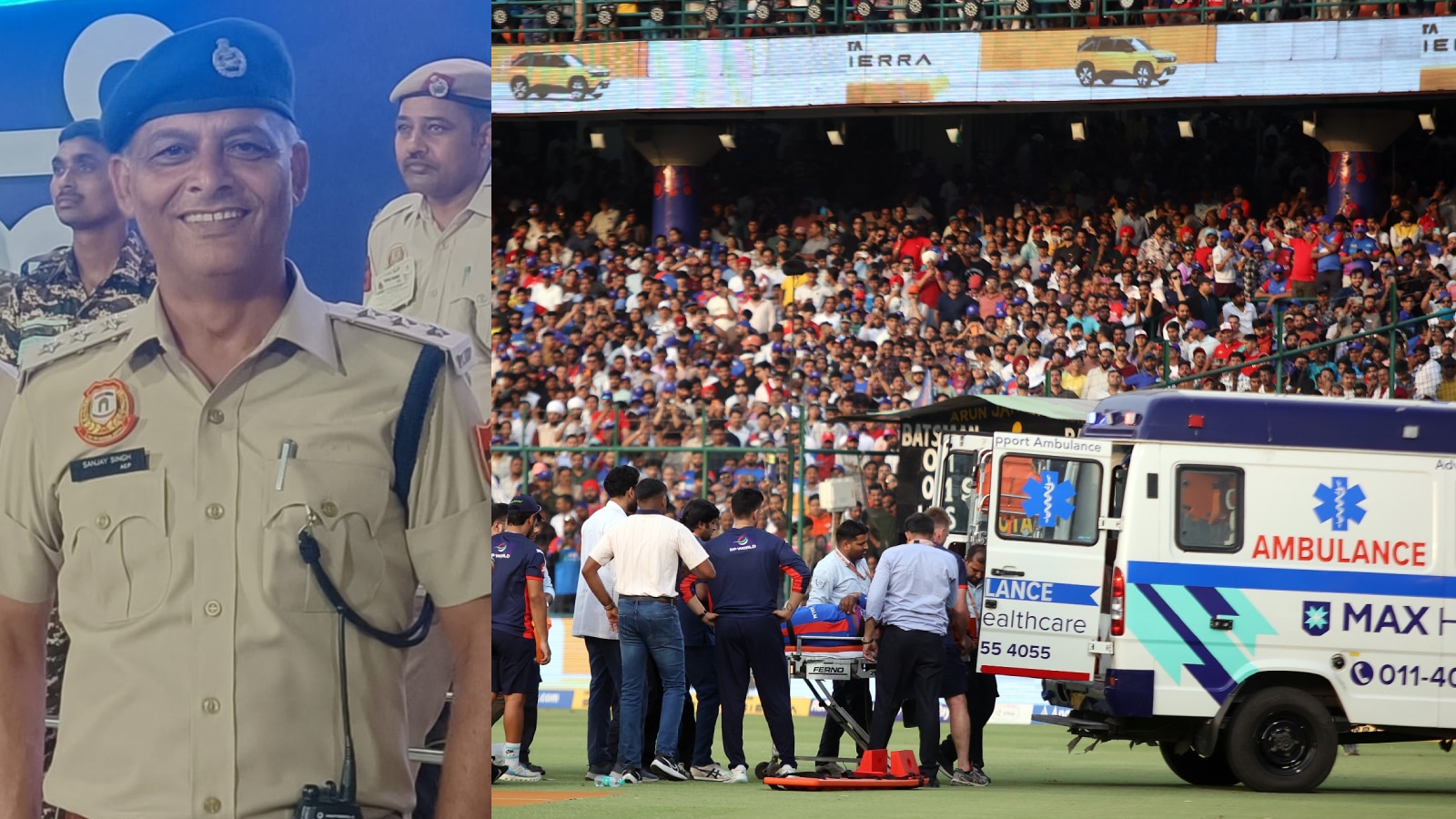
At the centre of the operation was ACP Sanjay Singh, an ex-cricketer who has shared the field with Gautam Gambhir and Virat Kohli.
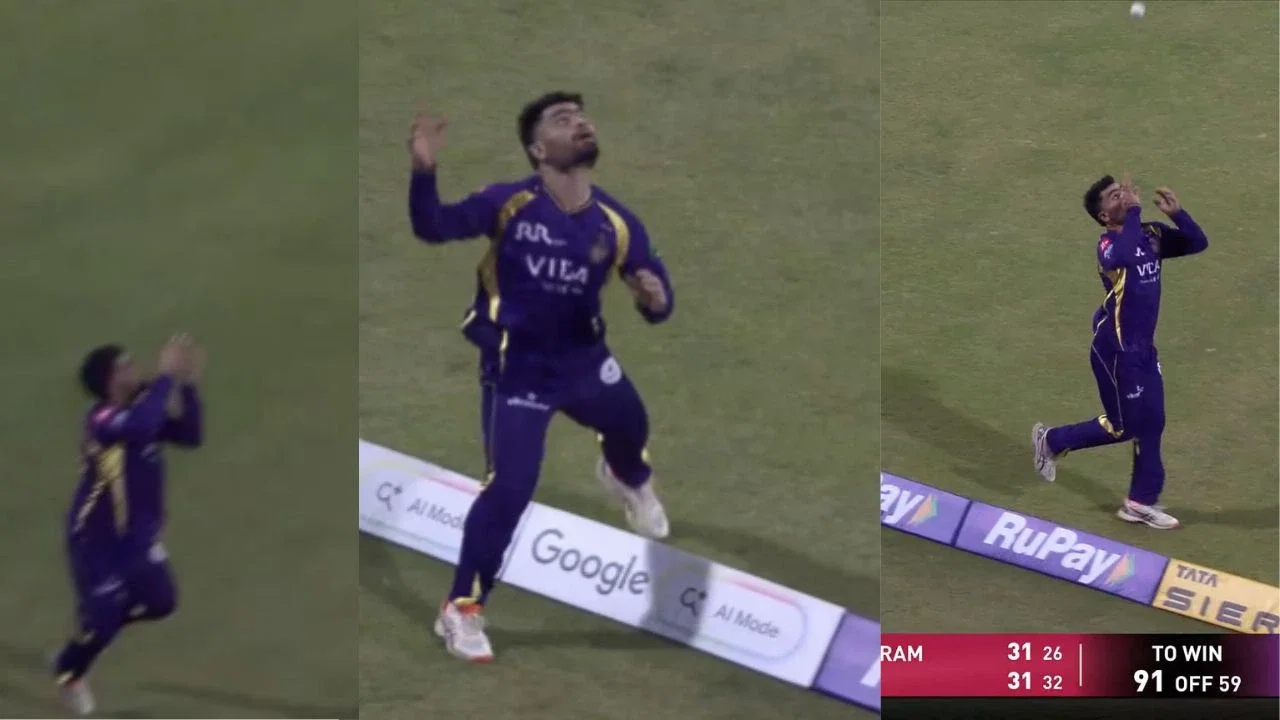
Ngidi fell on his neck and head while attempting a catch at mid-off during the clash between Delhi Capitals and Punjab Kings. He was treated on the field, but concern over the severity of the injury quickly escalated. At 6:16 pm, an ambulance left the stadium. By 6:27 pm, it had reached the hospital, covering roughly 10 km at peak hour in less than half the usual time.
The sequence moved fast, but not by chance.
Lungi Ngidi lies down on the ground after getting hurt during PBK vs DC IPL match. (Express Photo | Praveen Khanna)
The moment ACP Singh, who was posted at the stadium, saw the seriousness of the fall, he took the call to trigger a green corridor, a rare emergency route in which traffic lights are manually synchronised to allow uninterrupted passage.
“We had no other option. Ngidi is an international cricketer, and the fall was nasty. The moment we were told about the situation, we started thinking how to take the ambulance without any fuss,” ACP Singh told The Indian Express. “I have played cricket, and I understand there are situations when things can turn very bad due to an on-field injury.”
It was instinct, policing and a cricketer’s understanding of injury, all rolled into one.
“The decision to make a green corridor was taken on the spot. I asked the driver how he would go. He responded that he would follow Google Maps. Given that it was 6 pm and peak hour, we decided to create a green corridor as it was an extremely important situation,” he said. “But, we took the longer route because the other roads were severely blocked due to high traffic.”
Story continues below this ad
That split-second call to avoid the obvious route proved decisive.
A veteran of more than two decades with Delhi Traffic Police, ACP Singh leaned on his knowledge of the city and overruled the algorithm. “I know the routes around very well. So, when the driver told me he would follow Google Maps, I was sure that he would get caught in the traffic. I asked the control room and told them we are moving. The information was relayed quickly, and we got every major junction on the way empty,” he said.
Green corridors are usually reserved for organ transport or extreme emergencies, and often planned well in advance. This one was improvised in minutes. “It’s the rarest thing and is mostly done to move the ambulances or respond to distress calls. It was the first time that a green corridor was executed so quickly. Usually, it’s planned,” ACP Singh said.
💙❤️🧿 pic.twitter.com/2WpRlcMoO9
— Delhi Capitals (@DelhiCapitals) April 26, 2026
Nishant Gupta, DCP, Traffic Police, Central Range, said it took close to 60 officers to execute the movement successfully. “We are ready for such situations, but yesterday (Saturday) was an unprecedented situation. There wasn’t enough time to mobilise any kind of security escort or force to accompany the ambulance. So, when ACP Sanjay left with the ambulance, we all kept coordinating on our wireless sets to make sure there was no blockage anywhere. I think close to 60 officers were involved for those 11 minutes as the ambulance moved from the stadium to the hospital,” he told The Indian Express.
After reaching BLK Max Hospital, Ngidi was admitted to the emergency ward and reported stable following scans and examination. He was discharged from the hospital later that night. Both Delhi Capitals and IPL confirmed it via their social media handles. “Ngidi is stable and will be discharged from the hospital later,” the accounts posted.
Story continues below this ad
Ngidi also took to Instagram to thank everyone for their wishes. “Thank you for the messages, all good,” he posted.