

3 min readMumbaiApr 17, 2026 10:28 PM IST
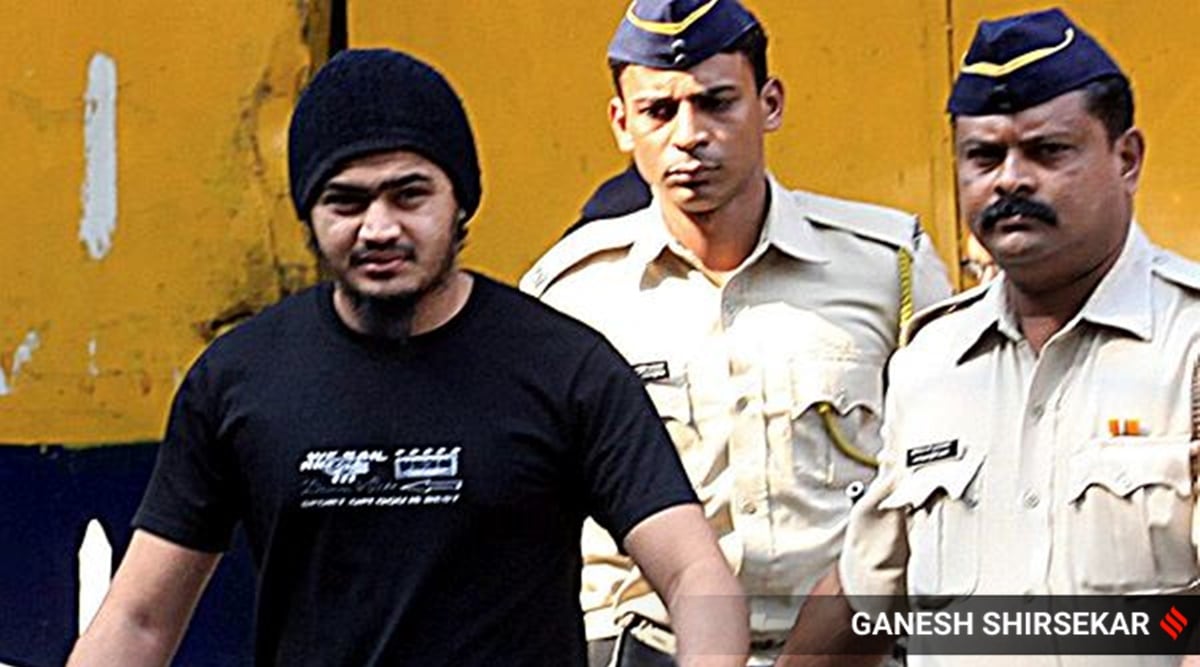
Even as the trial against him nears its end with 77 witnesses examined, the National Investigation Agency (NIA) on Friday filed a fifth supplementary chargesheet against Areeb Majeed, who had allegedly travelled to Iraq and Syria to join the Islamic State in 2014. The chargesheet has an additional offence against him under section 17 of the anti-terror law, the Unlawful Activities (Prevention) Act, for allegedly raising funds for a terrorist organisation.
Special Judge CS Baviskar took cognisance of the chargesheet and directed the NIA to give a copy to Majeed. “The NIA has filed fifth supplementary chargesheet by adding section 17 of the UAP Act, 1969. The cognizance of the said additional offence punishable under section 17 UAP Act is taken. Copy be supplied to the accused,” the court said.

Section 17 of the Act relates to punishment for raising funds for terrorist act, for raising, providing or collecting funds, knowing that such funds are likely to be used, in full or in part by such person or persons or by a terrorist organisation or by a terrorist gang or by an individual terrorist to commit a terrorist act, notwithstanding whether such funds were actually used or not for commission of such act.
The minimum punishment under this section is five years with the maximum extending to life imprisonment.
The NIA probe claimed that a Kuwaiti national provided Majeed with 1,000 US dollars via a money transfer service while he was in Baghdad, Iraq. The chargesheet likely relates to this transaction. The chargesheet was submitted to the court by special public prosecutor Sunil Gonsalves and NIA officials on Friday. The next hearing in the case is scheduled for May 11, as Majeed, who is out on bail, had sought time to attend his third-year law exams.
Majeed was so far facing trial under sections 16 (punishment for terrorist act) and 18 (punishment for conspiracy) of the Act. He is also facing section 125 of the Indian Penal Code, which covers punishment for waging, attempting to wage, or abetting the waging of war against the government of any Asiatic power that is in alliance or at peace with the Government of India. The court had earlier dropped section 20 of UAPA against Majeed which pertained to being a member of a terrorist organisation.
So far, 77 prosecution witnesses have been examined with a few remaining before the trial concludes.
Story continues below this ad
In May 2014, Majeed, who was 21 then, and three youths from Kalyan, near Mumbai, left India for Baghdad, Iraq, allegedly under the pretext of a pilgrimage and joined the banned terrorist group. Majeed, an engineering student, returned in November 2014, which he claimed was in coordination with Indian authorities, while the agency alleges he returned for terror activity.
Majeed, who represents himself in the trial, was granted bail in 2020 by a special court, that was upheld by the Bombay High Court in 2021, after which he was released. Last month, the NIA sought to declare the other three youth, who unconfirmed reports claimed had died, as proclaimed offenders.