5 min readPuneApr 14, 2026 09:48 PM IST
As cooks put tadka to piping hot dal and finish the day’s bhaji, Aditi Ambavane is doing mental math. The Pune-based caterer, who supplies meals to 5,500 workers across industrial hubs in Chakan, Pashan, Wakad and Ranjangaon, as well as to schools, daycares and hospitals, says the sharp rise in cooking oil prices is beginning to upend her operations.
Data released on Monday by the Ministry of Statistics and Programme Implementation showed retail inflation inching up to 3.4 per cent in March from 3.21 per cent in February, driven largely by food prices. Food inflation rose to 3.87 per cent from 3.47 per cent the previous month, amid global supply disruptions linked to the ongoing conflict in the Middle East.

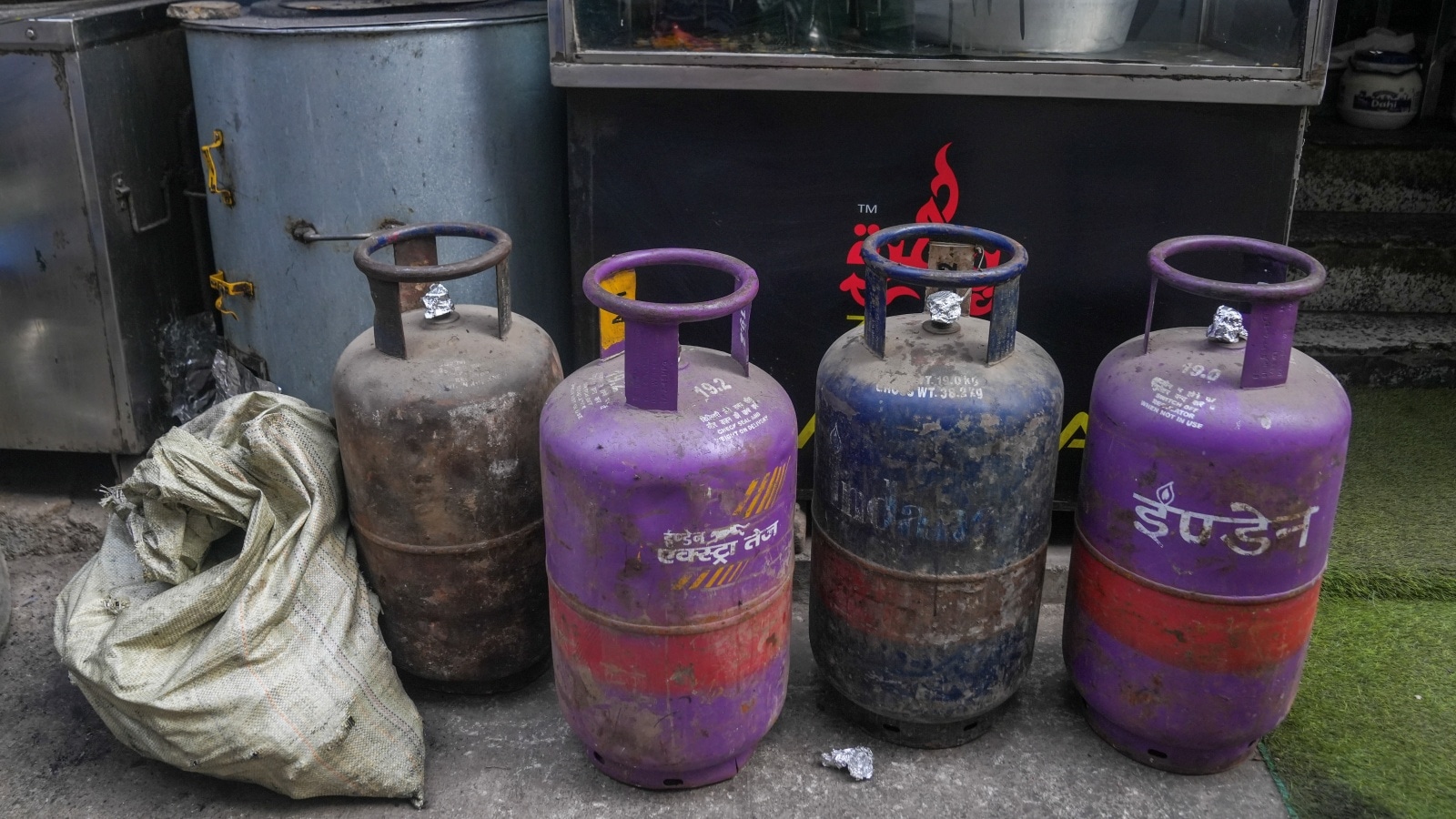
For Ambavane, the impact is immediate and steep. She uses between 180 and 200 cans of 13 kg cooking oil every month. “Before the war, one can cost Rs 1,980. Now, it is Rs 2,660,” she says. A shortage of commercial LPG cylinders was already creating a problem for her; she was forced to shut two of her five kitchens and redistribute staff. “The situation is unbelievable. Costs are rising sharply, but customers are not ready to pay more,” she says.
At Vishnu ji ki Rasoi in Erandwane, the buffet table offers a feast of 25 Maharashtrian and Punjabi cuisine, from Paneer Butter Masala, Aloo Matar and Veg Kolhapuri to dal and pani puri. As he watches the lunch time crowd of families and office goers fill their plates with the main dishes before starting on the seasonal special of Aamras, Gaurav Duvedi, the CEO of the restaurant, says that the restaurant is going to keeping fighting through the present crisis, which now includes bigger bills for oil. “We used to get a 15 litre tin of sunflower oil for Rs 1,600-1,700 but the vendors are now charging Rs 2,500 for the same,” says Duvedi.
The restaurant had switched to wood and coal, and closed its live counters for starters after the LPG crisis. Even so, over the weeks, the prices of coal and wood went up. “Wood prices have shot up from Rs 7-Rs 8 per kg to Rs 20-25 per kg and we need 50-60 kg every day. Coal prices have increased from Rs 22 per kg to Rs 48 per kg,” says Duvedi. The restaurant is managing to break even, unlike many that are in the red. “What we can do is wait and watch. I don’t think the crisis that is connected to the war will get over for another couple of months. We have to sustain our operations,” says Duvedi.
According to Saili Jahagirdar, president of the Pune chapter of the National Restaurant Association of India, the price surge has been evident in the past 25 days. “Apart from oil, pulses, rice, grains and spices, such as chilli and coriander, have become 10 – 15 per cent costlier. These may seem like small increases, but the impact is significant at scale,” she says.
She adds that the third category of price rise involves egg and poultry “The summer is the time when the poultry prices are low. It is from November to January that we see poultry prices are at maximum. But, we are now seeing a pattern where the poultry prices are above what it was in the peak winter season,” she says.
Story continues below this ad
Big restaurants, such as Malaka Spice, say that they are absorbing the price rise in oils, among others. “Overall, the input cost in the restaurant industry has gone up mainly because of the fuel price hike. The last assessment we did about a month back, we had about a 4 per cent increment in our costs. As of now, we are accommodating the increment into our current pricing while waiting to see what can be done,” says Shrijit Ravindran. CEO, Malaka Spice.
Other restaurants say that the individual price increases add up to a significant amount that reflects on the bill. “Then, we get a constant backlash from the customer that the restaurant has become expensive. Explaining that raw material coming to us is becoming expensive doesn’t do any good,” says Jahagirdar. She adds that restaurants that do not serve alcohol, such as cafes, restaurants and bistros, are facing the toughest challenges “because they are completely dependent on food for customers to come in”.

Click here to join Express Pune WhatsApp channel and get a curated list of our stories
© The Indian Express Pvt Ltd