3 min readMar 30, 2026 08:45 PM IST
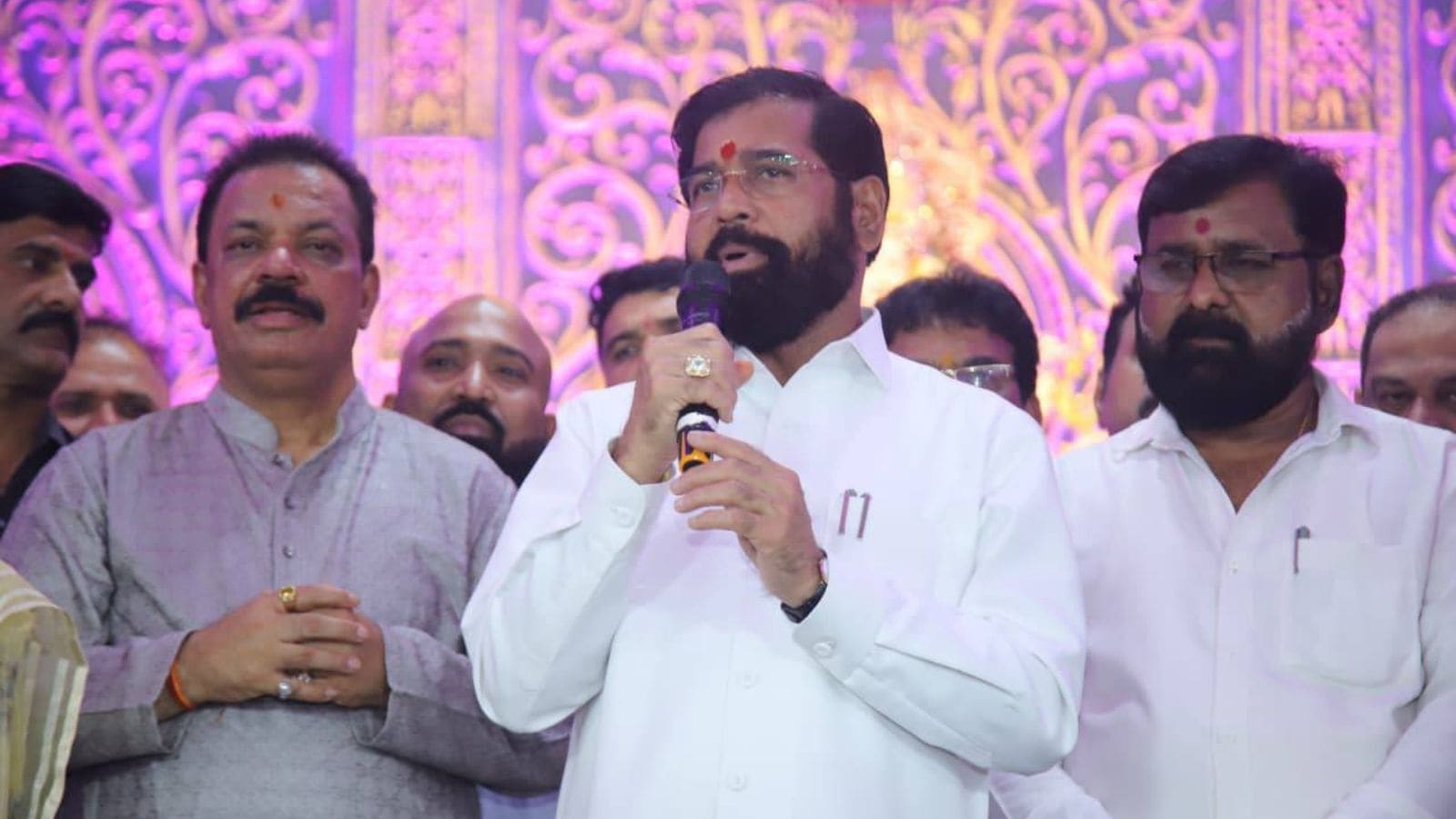
In a renewed push for slum redevelopment, Maharashtra Deputy Chief Minister Eknath Shinde on Monday approved the formation of Special Purpose Vehicles (SPVs) between private developers and the Shivshahi Rehabilitation Project Ltd (SRPL), signalling an attempt to revive the long-dormant state-run housing body and fast-track stalled projects.
The decision, taken in the birth centenary year of Shiv Sena founder Bal Thackeray, is being positioned as part of a broader effort to realise his vision of a slum-free Mumbai.

Originally set up in 1998 under the Shiv Sena–BJP government, SRPL had receded into the background over the years.
Shinde has now directed its strengthening, including a revised human resource plan on the lines of the Slum Rehabilitation Authority (SRA), to address staff shortages and improve execution capacity.
“The SPV model will help complete rehabilitation projects faster by leveraging private sector expertise,” Shinde said, while asking officials to resolve long-pending cases and coordinate with agencies such as MMRDA, MHADA, CIDCO, BMC and TMC. He noted that as a government entity, SRPL could take over technically stalled projects and expedite them using policy flexibility and FSI incentives.
Alongside housing, the government plans to integrate livelihood generation into redevelopment projects. MSME parks will be developed within rehabilitation clusters, and small-scale industry initiatives for women — modelled on the state’s ‘Ladki Bahin’ scheme — will be rolled out.
Shinde also announced the ‘Hinduhridaysamrat Balasaheb Thackeray Urban Public Welfare Mission’, aimed at accelerating slum redevelopment while preventing fresh encroachments.
Story continues below this ad
The mission will focus on large slum clusters — over 50 acres with more than 51% slum area through a dedicated cluster redevelopment scheme under the SRA. Biometric surveys will be conducted before redevelopment, followed by MoUs with key agencies, including the BMC, MMRDA and MAHAPREIT.
In a significant policy shift, beneficiaries of slum rehabilitation schemes will now be entitled to larger homes. The standard flat size has been increased to 300 sq ft, replacing earlier provisions of 180, 225 and 269 sq ft, with older projects set for upgradation.
To curb the growth of new slums, the government will deploy ‘NETRAM’ (Network for Encroachment Tracking and Reporting for Mumbai), using satellite imagery and GIS mapping. High-resolution images will be analysed every four months to detect and act against fresh encroachments.
The government has also proposed revising maintenance charges for rehabilitation buildings, citing rising costs due to high-rise construction. Charges, currently pegged at Rs 40,000 per flat, may be increased based on building height— Rs 1 lakh for structures up to 70 metres, Rs 2 lakh for 70–120 metres, and Rs 3 lakh for those above 120 metres. Amendments to the Development Control and Promotion Regulations (DCPR) 2034 have been initiated.