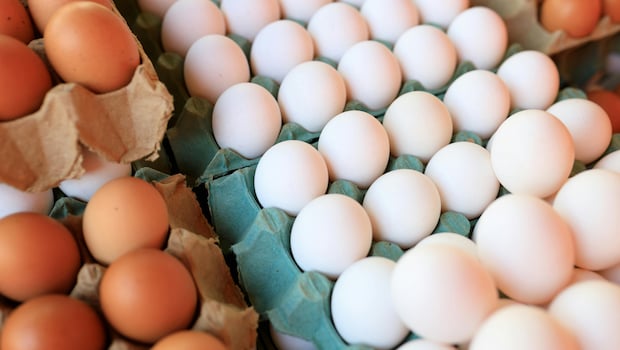
Eggs are one of the most nutrient-dense and affordable sources of protein, but every summer, concerns resurface about whether eating eggs in hot weather can increase body heat, digestion problems, or discomfort. Nutrition experts say healthy individuals generally do not need to avoid eggs during summer, as they remain a rich source of protein, vitamins, healthy fats, and essential nutrients. However, hot weather can increase the risk of food spoilage and dehydration, making safe storage, cooking methods, and balanced intake more important during extreme heat. According to a study in the journal Nutrients, eggs within a meal improved satiety, which could translate into lower energy intakes, although more RCT are needed. In observational studies, higher egg consumption was associated with a null effect or a modest reduced risk of CVD. Doctors also explain that while some people may feel heavier or uncomfortable after eating very rich meals in summer, eggs themselves are not inherently “unsafe” for the season when consumed properly.
Why People Think Eggs Generate “Body Heat”
In many traditional beliefs, eggs are considered “heat-producing” foods because they are rich in protein and nutrients. Some people may notice:
- Feeling fuller after eating eggs
- Mild heaviness with oily egg preparations
- Increased discomfort if meals are very spicy or greasy in hot weather
However, experts say moderate egg consumption does not usually cause dangerous body heat in healthy individuals.
Also read: Is It Healthy To Eat Eggs Everyday? Here’s What It Does To Your Body
Eggs Still Provide Important Nutrition
Many traditional beliefs suggest eggs increase core body temperature. While protein-dense foods like eggs have a slightly higher thermic effect (meaning the body generates minor, harmless internal heat during digestion), this will not raise your core temperature or cause heatstrokes. The recognise eggs as a dense, safe source of protein and essential nutrients in hot environments. Eggs contain:
- High-quality protein
- Vitamin B12
- Vitamin D
- Iron
- Choline
- Healthy fats
They may support:
- Muscle health
- Satiety
- Energy levels
- Recovery after exercise
For many people, eggs remain a convenient nutritious food even during summer.
Food Safety Matters More In Summer
High temperatures can increase bacterial growth if eggs are stored improperly. Experts recommend:
- Refrigerating eggs properly
- Avoiding cracked or damaged eggs
- Cooking eggs thoroughly
- Not leaving cooked egg dishes outside for long periods
Poor storage may increase the risk of foodborne infections.
Avoid Very Heavy Egg Preparations In Extreme Heat
Doctors say greasy or overly spicy preparations may feel uncomfortable during hot weather. Instead of:
- Deep-fried egg dishes
- Excessively oily curries
people may tolerate:
- Boiled eggs
- Poached eggs
- Light omelettes
- Egg bhurji with vegetables
more comfortably during summer.
Hydration Is Also Important
High-protein meals increase the importance of proper hydration. During heatwaves, experts advise:
- Drinking enough water
- Including fruits and vegetables
- Avoiding excessive dehydration
This helps support digestion and overall metabolic function.
People With Certain Conditions May Need Moderation
Individuals with:
- Kidney disease
- Certain metabolic disorders
- Specific dietary restrictions
may require personalised dietary advice regarding egg intake. Doctors say overall diet quality matters more than avoiding a single food entirely.
Also read: What Happens If You Eat Eggs Every Day For 14 Days? Doctor Reveals
How Many Eggs Are Generally Fine?
For most healthy people, moderate egg consumption is considered safe. The ideal amount varies depending on:
- Age
- Activity levels
- Total diet
- Existing health conditions
Experts say balance and preparation style are often more important than the season itself. Most people do not need to avoid eggs during summer, as they continue to provide valuable protein and nutrients. Experts say proper storage, lighter cooking methods, hydration, and balanced eating habits are more important precautions during hot weather than eliminating eggs completely.
Disclaimer: This content, including advice, provides generic information only. It is in no way a substitute for a qualified medical opinion. Always consult a specialist or your own doctor for more information. NDTV does not claim responsibility for this information.