4 min readNew DelhiJun 7, 2026 01:00 AM IST
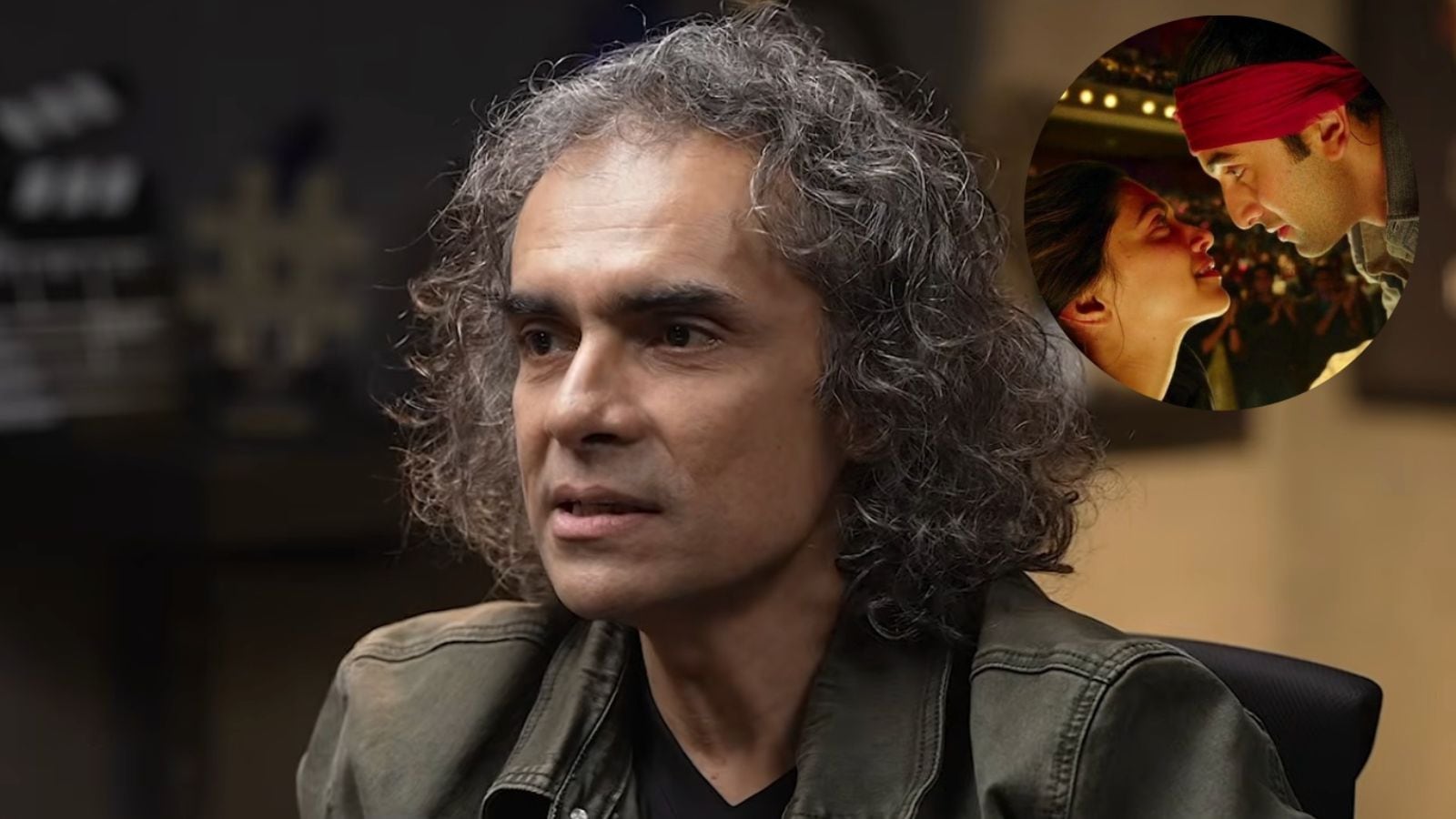
Filmmaker Imtiaz Ali, synonymous with romance and iconic movies like Tamasha, Rockstar, and Laila Majnu, recently shared his insights on Gen Z’s understanding of love. In a podcast with Raj Shamani, Imitiaz explained that the younger generation may not be as different from previous generations as it appears, but they are more honest.
Speaking about modern relationships and changing attitudes towards love, the director reflected on what young people often misunderstand about romance, arguing that their experiences mirror those of every generation before them. “Gen Z is getting the same thing wrong that anybody in their age in any generation has got wrong,” he said, stressing that the younger generation initially focuses on external qualities before gradually realising that love comes from within rather than from the person they idealise.

“They look at the exterior, and gradually they realise that it is the interior… love does not exist in the person who is the object of your love but inside you,” he explained.
Addressing the perception that younger generations feel a greater sense of emotional dissatisfaction or that something is missing from their relationships, Imtiaz rejected the idea that this is limited to Gen Z.
“I feel the present generation is much more truthful and can say very easily a lot of things which previous generations were not so comfortable talking about,” he said. “They are only as fragile as previous generations, but they are just more honest.”
He also pointed to the role of technology and communication in shaping emotional expression today. He argued that increased exposure to digital platforms has made people more comfortable sharing emotions openly.
“The present generation has no hypocrisy in the sense of values because they discuss it with each other. They say what they feel,” he said, adding that older generations often attached value to suffering in relationships in ways younger people seem less interested in doing.
Story continues below this ad
How dating culture has evolved
Dr Rimpa Sarkar, mental health expert, PhD, Sentier Wellness, Mumbai, explained that while dating culture has evolved, core emotional needs remain unchanged. She shared that people across generations continue to seek trust, emotional safety, intimacy, acceptance, and belonging. However, Gen Z approaches these needs differently.
“Gen Z tends to be more emotionally aware, more willing to discuss mental health, boundaries, and personal values, and often places a greater emphasis on emotional compatibility than previous generations,” she said.
Dating in the social media generation
At the same time, she noted that dating apps, social media, and constant connectivity have introduced new pressures. “Dating apps have expanded access to potential partners, but they have also created the perception that there is always someone “better” just a swipe away. This can make some individuals more hesitant to fully invest in relationships or work through normal relationship difficulties,” Dr Sarkar explained.
One of the most common misconceptions young people hold about love, Sarkar explained, is the belief that finding the “right person” should make relationships effortless. “Relationship research consistently shows that conflict itself is not a predictor of relationship failure; rather, it is how couples manage disagreements that matters,” she shared.
Story continues below this ad
Long-term compatibility
She also warned against equating intense chemistry with long-term compatibility or expecting a partner to fulfil all emotional needs. On the influence of films and social media, Sarkar said idealised portrayals often emphasise dramatic moments while overlooking the routines that sustain relationships in real life.
“Healthy love is often less dramatic than it is portrayed on screen,” she said. “It is built through consistency, reliability, emotional safety, and the willingness to choose each other repeatedly over time.”