4 min readNew DelhiJul 22, 2026 06:24 PM IST
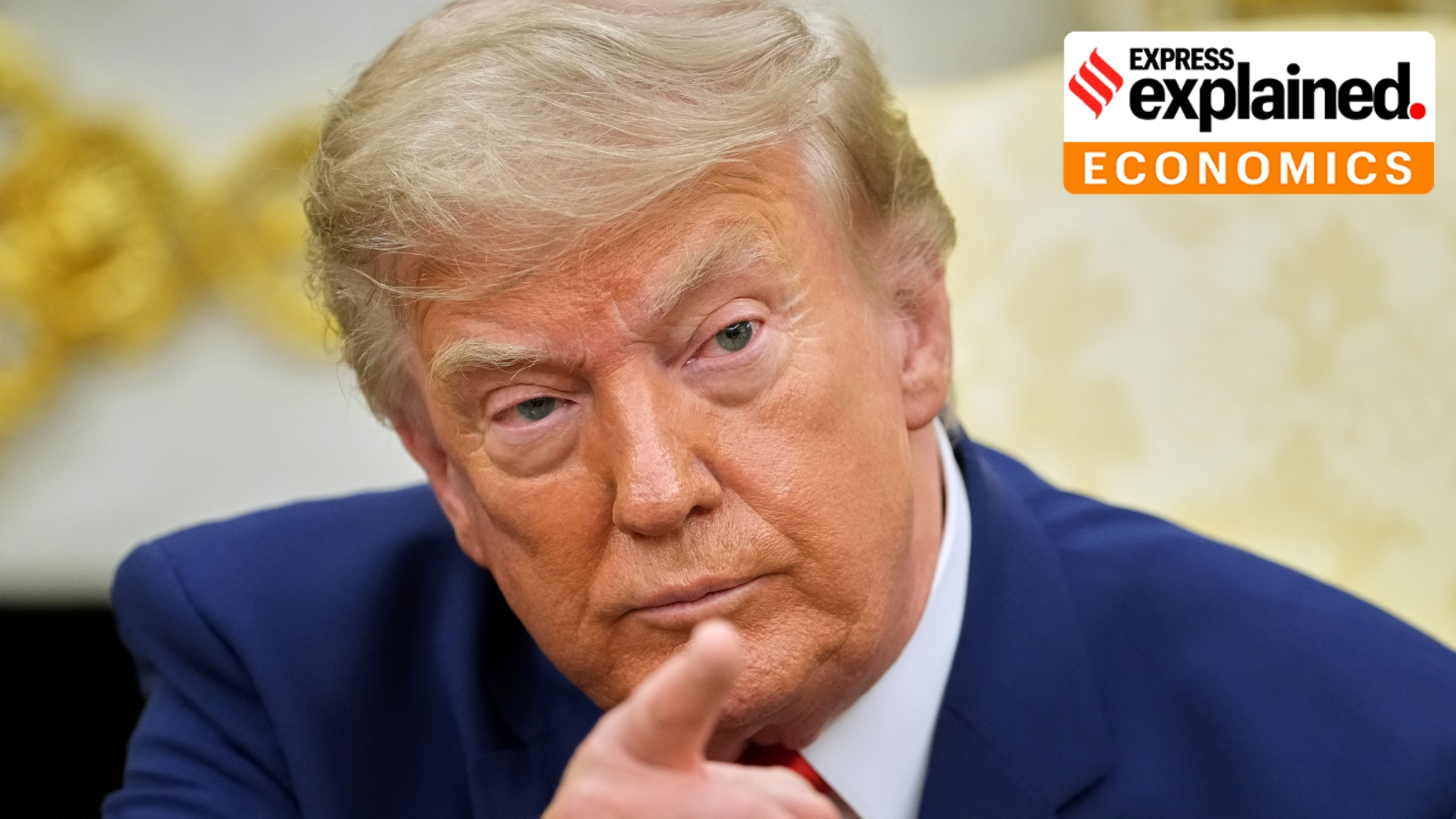
US President Donald Trump on Tuesday (July 21) said that tariffs on generic drugs in the US will be raised 100% after two years and to 200% thereafter to “reshore” generic pharma production in the US, adding that companies deciding against building plants in the US will be “penalised”.
Trump’s threat comes after several such ultimatums, largely designed to attract investment in the US. Actual tariffs on drugs have been exempted in most tariff instruments his administration has used, starting with those under the International Emergency Economic Powers Act, Section 122 of the 1974 Trade Act, and Section 232 of the Trade Expansion Act of 1962.

Here’s why this assumes significance for India and how Indian pharma giants are already changing tack in terms of investments in the US.
Boosting investments in the US
On at least two occasions, Trump had threatened tariffs on medicines despite pushback within the US. On April 2 this year, he announced tariffs of up to 100% on specified branded medicines starting July 31 under the Section 232 framework that invokes national security. On September 25, 2025, he announced plans for a 100% tariff on imported branded and patented medicines, but neither proposal has been implemented yet.
Trade and investment experts said that these threats are largely aimed at pushing global pharma giants to boost investments in Washington rather than increasing tariffs on drugs, which could trigger a backlash for the Trump administration, especially weeks before the midterm elections.
This assumes significance for India as the US is India’s largest market for pharmaceutical exports, accounting for an almost 40% share. Around 90% of India’s pharmaceutical exports to the US are generics. In 2025, India exported $9.7 billion worth of pharmaceuticals to the US. The US imported $213 billion worth of pharmaceutical products in 2025, including $94.1 billion of finished medicines sold in retail packs — the category that includes generic medicines.
Tariff-related uncertainties may have triggered investment outflow from India to the US to secure access to the world’s largest consumer market. Sun Pharmaceutical Industries, India’s largest pharma company, announced the acquisition of US-listed Organon & Co. for $11.8 billion. This is an Indian pharmaceutical company’s largest overseas acquisition to date.
Story continues below this ad
According to a Grant Thornton report, April 2026 recorded 103 mergers and acquisitions transactions worth $18.7 billion, marking the highest monthly deal value since May 2022. “The surge was driven by a series of marquee outbound transactions,” the report said, highlighting Sun Pharma’s acquisition of Organon & Co.
Rising outbound investments
The outbound investments for pharma during the ongoing financial year, as per official data, is the highest compared with the last four years combined. As per the Commerce Ministry’s reply to a Lok Sabha question on Tuesday, outbound investment from India to the US stood at $4.08 billion in FY26, up from $3.44 billion in FY25 and $2.44 billion in FY24.
Apart from the pharma sector, India’s steel companies are also stepping up investment in the US. Last month, US Ambassador to India, Sergio Gor, said that JSW Steel’s $500 million investment plans in Ohio and Texas would strengthen the India-US partnership.
A report by the research firm Global Trade Research Initiative (GTRI) said that several leading Indian drug makers already manufacture in the US. Sun Pharma, Zydus Lifesciences, Lupin, Aurobindo Pharma, Cipla and Dr Reddy’s Laboratories operate US-based manufacturing facilities approved by the country’s Food and Drug Administration. Cipla is expanding production at plants in Massachusetts and New York, while Dr Reddy’s Laboratories is willing to increase US manufacturing if it makes commercial sense, GTRI said.
Story continues below this ad
“Relocating large-scale generic drug production to the United States will be difficult. Generic medicines operate on extremely thin margins and depend on global supply chains, especially for active pharmaceutical ingredients (APIs), many of which continue to come from India and China. Building a fully domestic U.S. supply chain would require substantial investment and would almost certainly increase medicine prices,” the report said.