4 min readNew DelhiJun 5, 2026 01:00 AM IST
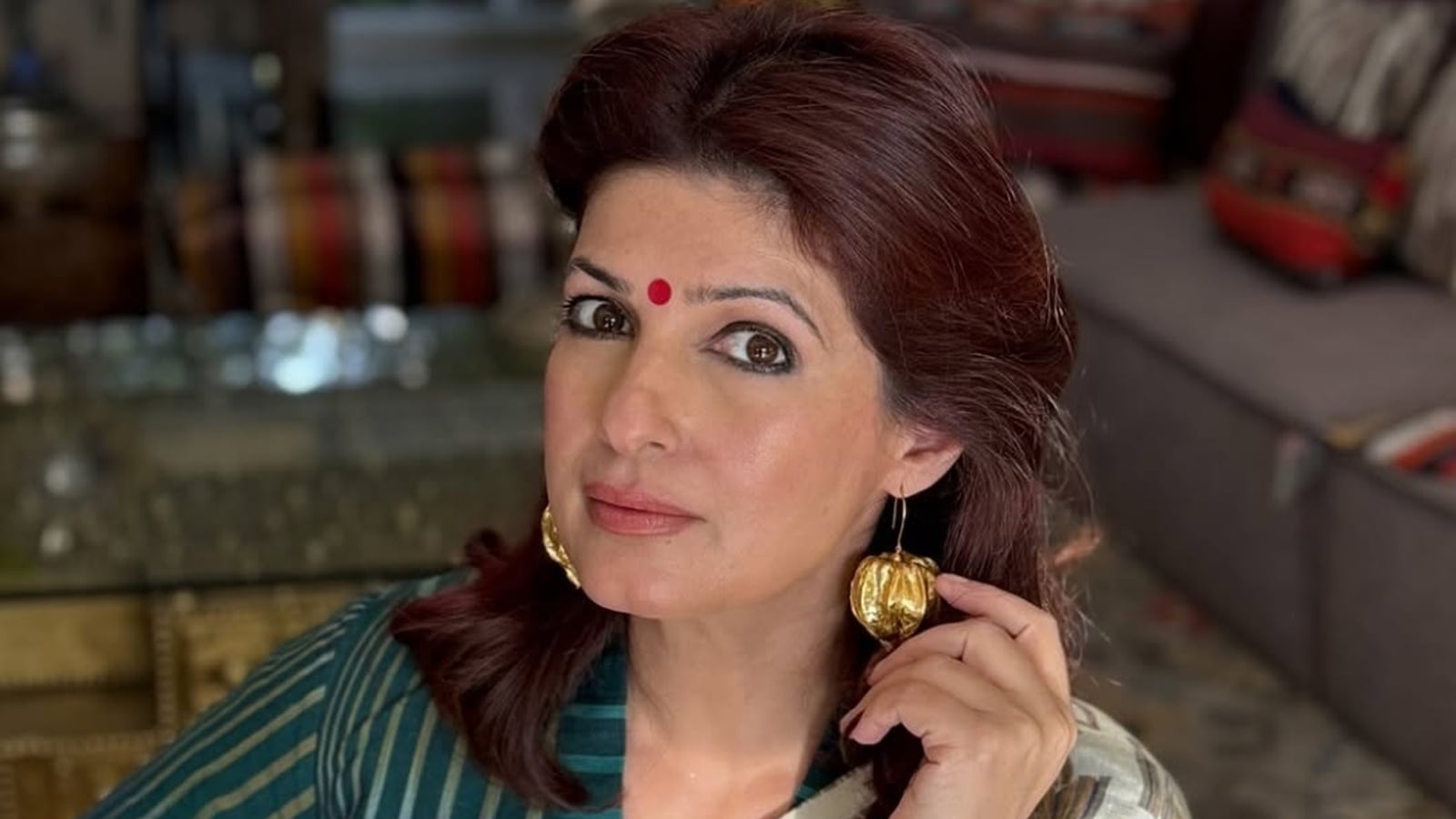
Travel is often associated with freedom, discovery, and a break from everyday routines. Yet many people find themselves carrying more than they need—whether it is overpacked suitcases, unrealistic expectations, lingering worries, or unresolved emotional burdens. Actor-turned-author Twinkle Khanna recently reflected on this idea in an Instagram post shared from her vacation. Accompanying a photograph from her travels, she offered a simple suggestion: “Travel lighter this year.”
DISCLAIMER: This article is based on information from the public domain and/or the experts we spoke to.

She then extended the idea beyond luggage, writing, “We all carry baggage, and like airline counters, the heavier the bags, the greater the penalty.” Her message drew a parallel between physical baggage and the emotional burdens that many people accumulate over time. Acknowledging that letting go is rarely straightforward, she added, “We may never get rid of it all, but with enough practice and perhaps even the right therapist, we can learn to downsize our baggage so it’s small enough to stow in the overhead compartment.”
The idea reflects a growing trend among travel experts who advocate minimalist travel, arguing that carrying less can make journeys more flexible, less stressful, and more enjoyable. At the same time, psychologists often point out that emotional clutter—such as unresolved regrets, resentment, anxiety, or self-imposed pressures—can influence how people experience both travel and daily life.
Practical benefits of travelling with fewer belongings
DK Ghatani, travel consultant and CEO of Sikkim Expeditions, tells indianexpress.com, “Packing light fundamentally improves the travel experience by giving travellers greater mobility, flexibility, and peace of mind. Whether navigating airports, train stations, or city streets, carrying less luggage reduces physical fatigue and makes transitions between destinations much smoother.”
For longer or multi-city trips, he says, it also minimises the risk of lost baggage, shortens check-in and checkout processes, and allows travellers to be more spontaneous with their plans. In many cases, travelling light means spending less time managing belongings and more time enjoying the destination.
Emotional baggage: What does this term actually mean?
Neha Cadabam, senior psychologist and executive director, Cadabam’s Hospitals, shares, “Emotional baggage refers to unresolved emotional experiences from the past that continue to influence a person’s thoughts, behaviours, and relationships in the present. These may stem from disappointments, losses, betrayals, conflicts, or unmet expectations. When left unprocessed, such emotions can contribute to chronic stress, heightened emotional reactivity, trust issues, and difficulty forming healthy connections.”
Developing a healthier mindset without suppressing or ignoring difficult emotions
According to Cadabam, the goal is not to get rid of difficult emotions but to develop a healthier relationship with them. “Practices such as reflective journaling, mindfulness, therapy, and honest conversations with trusted individuals can help people process emotions rather than carry them indefinitely.” It is also important to distinguish between what can be changed and what must be accepted.
Story continues below this ad
“Self-compassion plays a crucial role, as many people remain burdened by unrealistic expectations of themselves. Emotional resilience develops when individuals acknowledge their feelings, learn from their experiences, and gradually redirect their energy toward the present rather than remaining anchored to the past,” concludes the expert.