

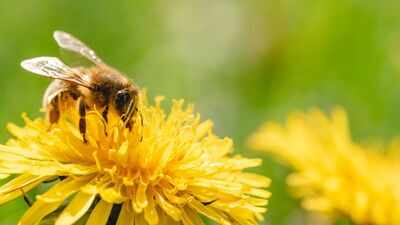
August may look like a busy month in a garden, meadow or city park, but for honeybees, late summer can be surprisingly difficult. New research from the University of Sussex has found that honeybees expend more effort and gain less energy while collecting nectar in late July and August than during much of spring. The study, published in Functional Ecology, used direct observations of bee movements and flower visits in green spaces around Brighton and Edinburgh. As reported by Phys.org, researchers believe the seasonal “nectar gap” is linked to fewer flowers blooming and stronger competition among pollinators. The findings offer a practical message for gardeners, councils and land managers: allowing late-summer weeds such as thistles, ragwort and knapweed to flower could give bees valuable food when they need it most.Why August is difficult for beesHoneybees do not experience every season in the same way. Spring can be a period of abundance, with trees such as willow, cherry and horse chestnut producing large amounts of blossom. These flowers provide nectar and pollen at a time when many colonies are expanding and raising new workers.By late summer, however, the flowering landscape can change quickly. Some of the plants that supported bees in spring have finished blooming, while many lawns and roadside verges may already have been cut. Fields may appear green, but green does not always mean useful food for pollinators. A landscape can contain plenty of vegetation while offering very few nectar-producing flowers.At the same time, late summer is when large numbers of pollinating insects are active. Honeybees, bumblebees, solitary bees, hoverflies, butterflies and other flower visitors may all be searching for the same limited supply of nectar.The result is a difficult balance. Bees may need to fly farther, visit more flowers and spend longer searching for a worthwhile source. Yet the nectar collected may not provide enough energy to compensate fully for the effort involved.The University of Sussex study found that this challenge was most pronounced in late July and August. The pattern appeared in observations from both Brighton and Edinburgh, despite the cities being approximately 600 kilometres apart. That similarity suggests late summer could be a difficult period for honeybees across many parts of Britain, although local land use and weather conditions can change the experience from one place to another.Measuring the energy equationResearchers have previously studied bee foraging by observing how far bees travel, decoding waggle dances or recording how often they return to the hive with food. Those methods can reveal important clues about the availability of nectar.This new study took a more direct approach. Researchers watched honeybees as they foraged in several green spaces between April and October. Their study sites included Arthur’s Seat, the Royal Botanic Garden Edinburgh and Falmer village.To estimate the energy bees spent while foraging, the team observed how much time the insects spent flying and walking during a 60-second period. They then compared this effort with the energy gained from visiting flowers.The researchers recorded the number and species of flowers visited and measured the quantities of nectar available. In total, they collected foraging information from 1,217 honeybees and nectar data from 1,426 flowers.This allowed the team to examine foraging as an energy equation. A bee’s trip is worthwhile when the energy gained from nectar is greater than the energy spent travelling and searching. If a bee must work harder for a smaller reward, the trip becomes less profitable.The results showed that spring was the most efficient season for nectar collection. In late summer, the energetic return declined. The findings provide direct evidence for a pattern that earlier studies had suggested indirectly: August is a demanding month for honeybees.Fewer flowers, more competition
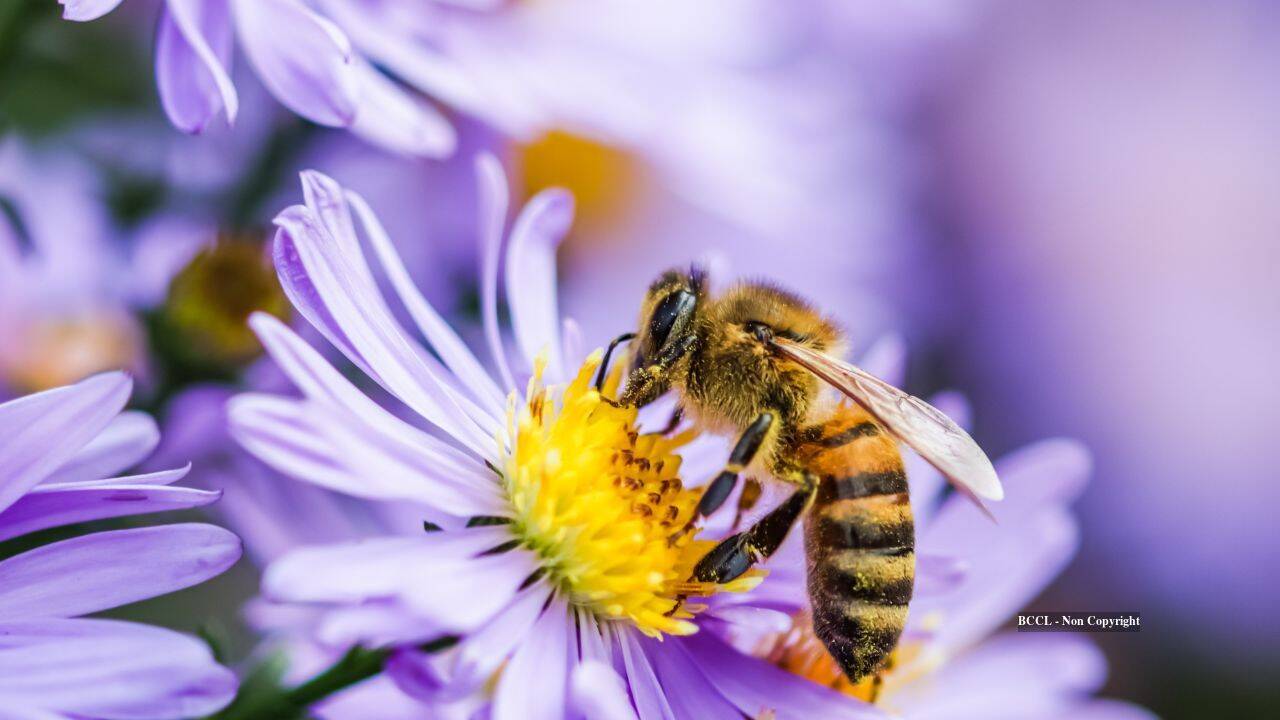
A bee gathering nectar
Several factors may contribute to the late-summer nectar shortage.The first is the seasonal decline in flowering plants. Many trees and early-season wildflowers finish blooming by midsummer. Unless other plants take their place, bees face fewer options.The second is competition. When flowering resources become concentrated in a smaller number of plant species, more pollinators may gather at the same locations. A patch of flowering plants can become crowded, with insects competing for the nectar and pollen available.This competition does not necessarily mean that one species directly attacks another. Often, it is simply a matter of many insects visiting the same flowers. Each visitor may collect some food, but the overall reward available to the next bee can be lower.Previous research from the University of Sussex’s Laboratory of Apiculture and Social Insects has also indicated that bees may have to work harder during July and August. Earlier studies examined the distances bees travelled and the number of foragers returning without full nectar loads. The new research strengthens those observations by measuring both the cost and reward of foraging.Professor Francis Ratnieks, one of the study’s co-authors, said the direct measurement of energetic profitability confirms the pattern identified by earlier research. In simple terms, bees appear to face their toughest nectar-gathering conditions during the same period when many pollinators are active and need food.Late-summer weeds can helpThe study offers an uncomplicated way for people to support bees: let some late-summer flowers remain in bloom.Plants commonly labelled as weeds can be valuable sources of nectar and pollen. Thistles, ragwort and knapweed may not fit the image of a carefully managed garden, but they can provide food when other flowers have disappeared.This does not mean every garden must be left completely untended. Instead, gardeners can set aside a small area for wild plants or delay cutting until flowering has ended. Councils and land managers can adopt similar approaches by adjusting mowing schedules on verges, parks and open spaces.Planting late-blooming flowers is another option. A garden designed with different flowering periods can provide resources from spring through autumn rather than offering a brief burst of food followed by a long gap.Dr. Ciaran Harris, a co-author of the study, suggested that planting late-summer flowers and becoming more tolerant of flowering weeds could make a greater difference than simply adding early-season blooms. The timing of support matters. A garden full of spring flowers may look attractive, but it may not help bees during the hardest weeks of the year.For homeowners, even small choices can contribute to a more continuous supply of nectar. Allowing a patch of clover to flower, leaving thistles undisturbed for a little longer or choosing plants that bloom in August can create useful feeding opportunities.Heat waves may intensify the problemWeather can make the late-summer challenge even more severe.Heat waves can reduce nectar availability in flowers and disturb normal flowering times. Very hot conditions may cause plants to bloom earlier, shorten the flowering period or produce less nectar. Dry weather can also stress vegetation and reduce the number of healthy flowers available to insects.When flowering times shift, the problem is not simply that fewer plants bloom. The sequence of food sources may become less reliable. Bees depend on a changing succession of flowers throughout the year, and a disruption at one stage can create a gap that is difficult to replace.These weather-related pressures occur alongside longer-term changes such as agricultural intensification, habitat loss and the removal of wild plants from roadsides and field margins.Late-summer weeds can therefore serve as important emergency resources. They may not solve every problem facing pollinators, but they can help fill a seasonal gap at a time when food is scarce.The researchers’ findings are especially relevant as extreme heat becomes a more frequent concern. Protecting pollinators may require not only planting more flowers, but also making space for plants that thrive in warmer months and are often removed because they appear untidy.What the findings mean for other insectsAlthough the study focused on honeybees, its implications may extend to other flower-visiting insects.Honeybees visit a wide range of flower species, which makes them useful indicators of nectar availability across a landscape. If honeybees struggle to find profitable flowers, other insects may also face limited food supplies.Bumblebees, solitary bees, butterflies and hoverflies have different body sizes, life cycles and foraging habits. They may not experience the landscape in exactly the same way. However, many depend on overlapping floral resources, particularly during periods when few plants are in bloom.Late summer can be a crucial time for pollinators because many species are still active and must gather food for themselves or their offspring. Some insects are preparing for winter, while others are provisioning nests or completing their life cycles.Dr. Nicholas Balfour, another co-author, noted that late summer is particularly important because the majority of pollinator species are active and require forage to support their offspring. A shortage during this period can affect not only adult insects but also the next generation.Land use may close the nectar gapThe researchers cautioned that their work examined green spaces in only two locations. Because of this, the study could not fully determine how different types of land use influence nectar availability throughout the year.Gardens may play an important role. Unlike large agricultural fields or intensively managed public spaces, gardens often contain a mixture of ornamental plants, shrubs, trees and weeds. This variety can provide flowers at times when nectar is scarce elsewhere.Farmland managed under agri-environment schemes may also help. Such schemes can encourage the retention of wild plants, flowering field margins and habitat areas. These features may soften seasonal fluctuations by providing additional sources of nectar in late summer.Future research comparing gardens, farmland, urban parks, roadsides and nature reserves could show which landscapes are most effective at maintaining a steady supply of food.The findings suggest that conservation planning should consider timing. It is not enough to count the total number of flowers in a region. Researchers and land managers also need to ask when those flowers bloom and whether they meet pollinators’ needs during seasonal shortages.A small change with a meaningful impactThe message from this research is easy to understand: August matters.When people remove every wildflower from a garden or cut a flowering verge at the height of summer, they may unintentionally eliminate some of the few food sources available to bees. Leaving selected areas uncut for a little longer can give insects time to collect nectar and pollen.A more pollinator-friendly approach does not require abandoning garden care. It can involve designating a wild corner, mowing less frequently, planting late-blooming species or allowing familiar “weeds” to flower before removal.For honeybees, these changes can reduce the distance and effort required to find food. For other insects, they may provide essential resources during the same seasonal gap.The study’s direct measurements make the problem visible in energetic terms. Bees are not simply visiting fewer flowers; they are working harder for less reward. By keeping late-summer flowers in the landscape, people can make that work a little easier.In a season when a colourful garden may be winding down, a thistle, knapweed or patch of wild growth could be doing some of the most important work of all.