3 min readNew DelhiUpdated: Jul 4, 2026 01:29 AM IST
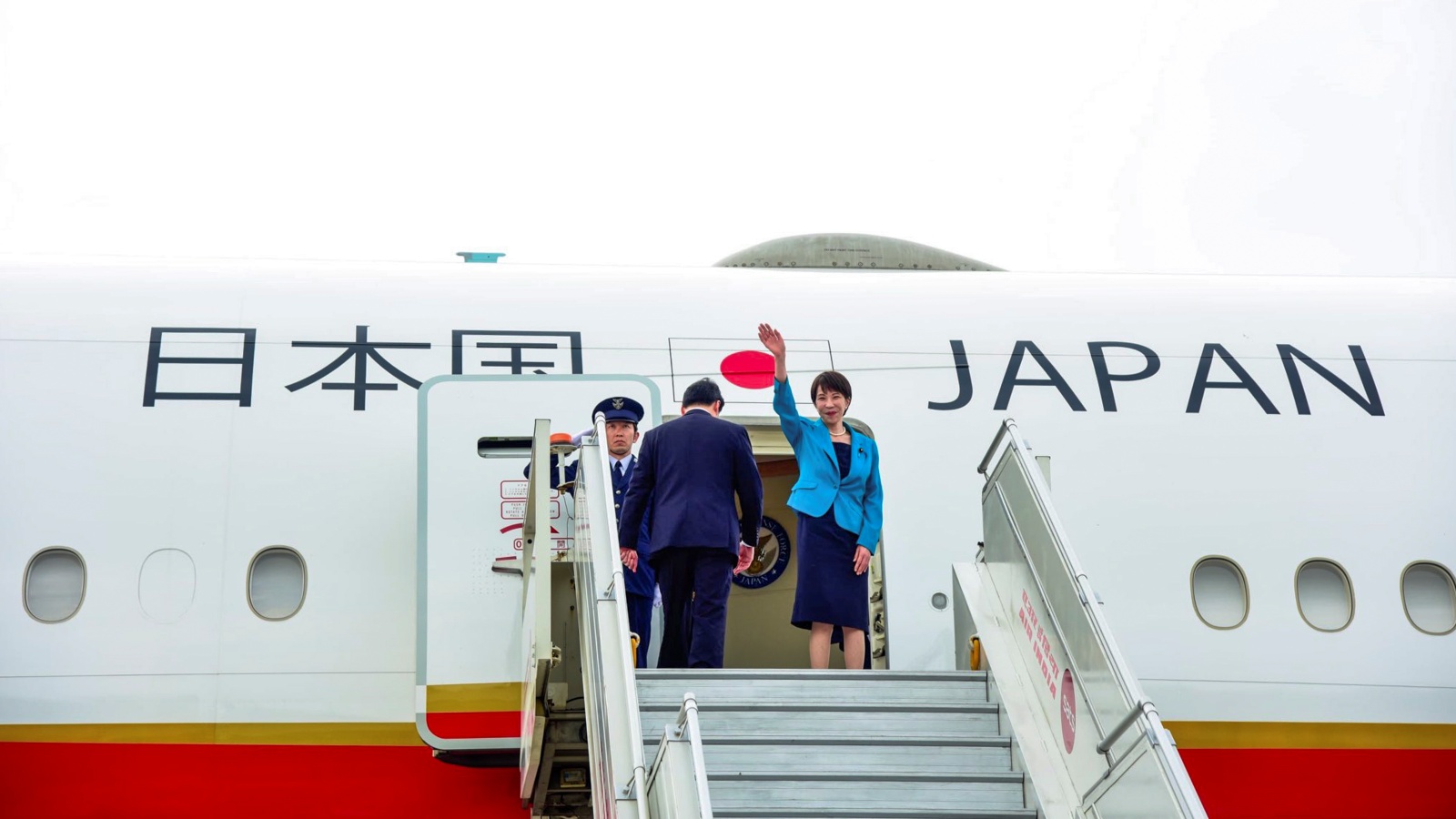
As Japanese Prime Minister Sanae Takaichi wound up her three-day India visit where New Delhi and Tokyo discussed and advocated a free and open Indo-Pacific, Beijing has said that the concept goes against the shared aspirations of regional countries.
On Friday, China’s spokesperson in India, Yu Jing, highlighted the statement made by the spokesperson of China’s Ministry of Foreign Affairs, Guo Jiakun, a day earlier, when talks between Prime Minister Narendra Modi and PM Takaichi were held.

“The so-called concept of ‘Free and Open Indo-Pacific’ goes against the regional countries’ shared aspirations for peace, development and cooperation, and will never win genuine recognition,” Guo said in response to a question on Takaichi statement.
“Safeguarding post-war international order and purposes and principles of the UN Charter is the foundation of the prosperity and stability in the Asia Pacific, as well as the shared responsibility of regional countries,” he said.
Guo added, “It is more imperative than ever for regional countries to uphold the right course of Asia-Pacific cooperation, work together to build an Asia Pacific that is prosperous, stable, open, interconnected, universally beneficial, inclusive, united and mutually supportive.”
Meanwhile, in response to Prime Minister Modi’s remarks that India and Japan will strengthen cooperation in the area of critical minerals, Guo said on Friday that such cooperation should not target any third party or undermine its interests.
“Still less should such cooperation be used to create exclusive ‘small blocs’ or stoke confrontation under the pretext of cooperation,” Guo said, as per the Chinese State Council Information office.
Story continues below this ad
He said cooperation between countries should help enhance understanding and trust among regional nations and safeguard regional peace and stability.
Maintaining the stability and security of global industrial and supply chains is a shared responsibility of all countries, he noted, adding that all parties should embrace an open and cooperative mindset and play a constructive role to this end.
In the joint statement released by India and Japan on Thursday, the two sides had also expressed concern over the situation in the South China Sea and East China Sea.
Without making any direct mention of China, they reiterated “strong opposition to any unilateral actions that endanger the safety as well as freedom of navigation and to change the status quo by force or coercion”.
Story continues below this ad
They shared their serious concerns over the growing militarisation of disputed features, in an oblique reference to China growing military dominance in the region.
In another initiative that is aimed at countering China’s growing footprint in Africa, India and Japan discussed the formulation of the Strategic Outlook for Expanding Japan-India Cooperation in Africa.