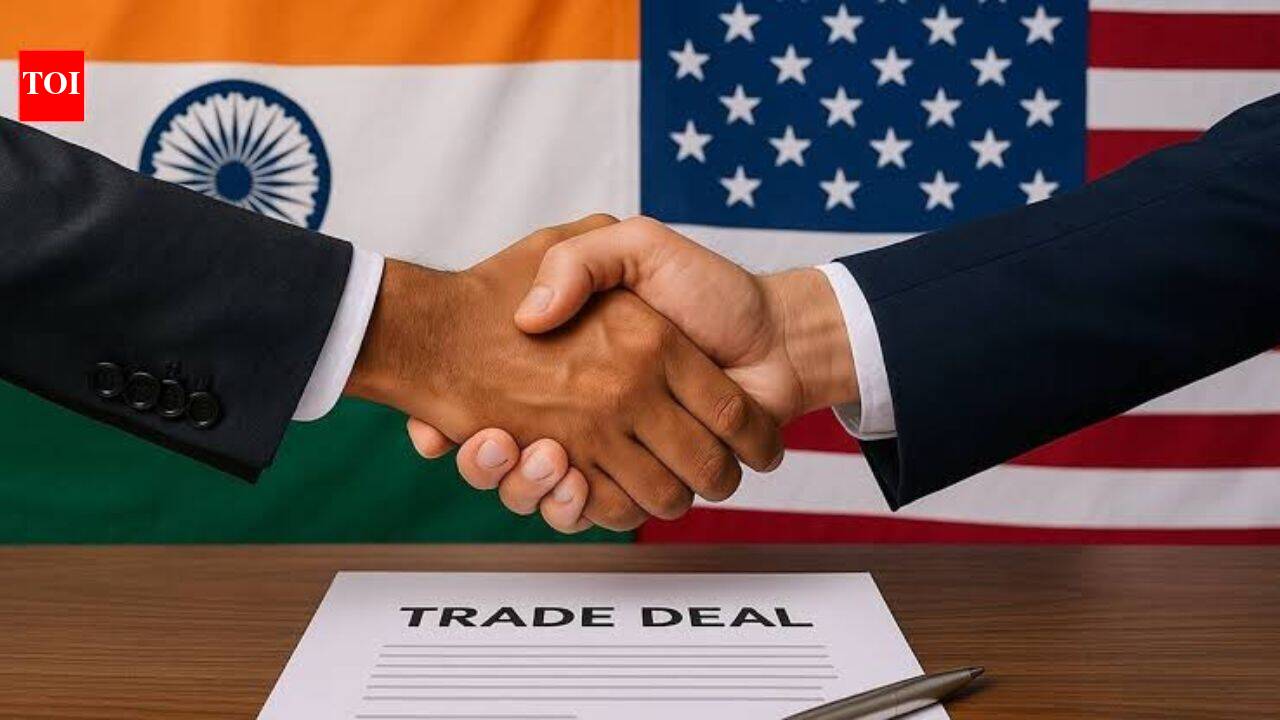
India has refused to rush into a quick trade agreement with the United States, choosing instead to hold out for more favourable terms despite mounting pressure from Washington, according to a Reuters report. Officials and trade experts also said that New Delhi’s stronger economic outlook, expanding trade partnerships and recent political gains have strengthened its negotiating position. The decision came after months of negotiations failed to produce an interim trade pact during US trade representative Jamieson Greer’s visit to New Delhi last month, despite both sides expecting a limited agreement to be within reach.The talks stalled because Washington did not meet New Delhi’s key demands, including a tariff advantage over competitors such as China and assurances that no fresh US levies would be imposed after the agreement, Reuters reported citing an Indian government official.“Our position is clear , we don’t intend to rush into a deal that is not on favourable terms or compromise on red lines like ceding ground on agriculture,” the official said.The United States has been seeking quicker trade concessions from India as President Donald Trump prepares to roll out a new round of tariffs later this month. However, India’s refusal to accept a hurried deal could expose its exports to higher US duties and prolong uncertainty for businesses.A day after Greer’s visit, Union minister Piyush Goyal signalled India’s firm stand, saying any agreement with the US would move forward only if it ensured clear benefits for the country.Currently, most Indian exports to the US attract a 10% tariff. The Trump administration is expected to announce steeper duties later this month under investigations into alleged excess industrial capacity. India has rejected the US allegations of surplus capacity.Washington has also proposed additional tariffs of up to 12.5% on imports from several countries, including India, alleging they failed to prevent goods produced through forced labour from entering supply chains.A US source familiar with the negotiations said Washington believes India must make its own concessions before receiving the preferential trade treatment it has sought.A US official, speaking on condition of anonymity, said Washington remained engaged with India and continued to expect an agreement, though no timeline had been fixed. The official added that India had, at times, been “slow, bureaucratic and difficult” during negotiations, suggesting that a quick breakthrough remained unlikely.Responding to the stalemate, White House spokesperson Kush Desai said, “The Trump administration continues to productively engage with Indian officials to finalise a historic trade deal that puts Americans and America First.”Trade experts said India’s improving economic indicators have strengthened its negotiating position. India’s goods exports rose around 15% year-on-year during April-June despite disruptions caused by the Iran conflict, supported by higher petroleum shipments, the report said.Exports to Gulf countries recovered to pre-war levels, rising to $5.3 billion in May from $2.62 billion in March as exporters shifted to alternative shipping routes. Exports to the United States also increased to $17.29 billion during April and May.India is also expanding access to other major markets. Its free trade agreement with the United Kingdom is expected to come into force this month, while negotiations for an India-European Union trade pact are progressing with hopes of finalising the agreement early next year.Goldman Sachs economist Santanu Sengupta said the easing of tensions between the US and Iran had improved India’s economic outlook by reducing pressure from oil prices. The investment bank has raised India’s 2026 growth forecast to 6.8% while lowering its inflation and current account deficit estimates, giving New Delhi greater room to negotiate without urgency.A weaker rupee has also improved the competitiveness of Indian exporters.Another official told Reuters that New Delhi is also factoring in the possibility that some proposed US trade measures could face legal or political challenges. A coalition of 22 Democratic state attorneys general has already challenged the Trump administration’s proposed tariffs linked to forced labour investigations.Ajay Srivastava, founder of the Global Trade Research Initiative and a former trade negotiator, said India had little reason to rush. “India realises that delaying – or even abandoning – a rushed deal may be more prudent than locking into obligations whose costs could far exceed any temporary tariff relief,” he added.Separately, India has strongly opposed the US proposal to impose additional tariffs under a Section 301 investigation into alleged forced labour practices across 60 economies. India has also argued that the USTR failed to provide evidence showing that the absence of a forced labour import ban created an unfair trade advantage.CII representative Suchita Sonalika maintained that India’s constitutional and legal framework already prohibits forced labour and cannot be considered “unreasonable” or “discriminatory” under US trade law. The government further argued that the USTR had not carried out country-specific assessments before launching investigations against multiple economies.