
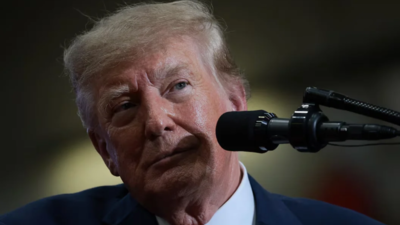
Six American citizens have filed a federal lawsuit against President Donald Trump over the White House administration’s decision to limit access for journalists from major news outlets, including CNN and Politico. The lawsuit, called Roth v. Trump, was filed in the U.S. District Court for the Southern District of New York on 26 October 2026. The case was brought by the Knight First Amendment Institute at Columbia University and the Media Freedom and Information Access Clinic at Yale Law School. It takes a different legal approach by focusing on the constitutional rights of people who read and watch the news, rather than the rights of journalists alone. The lawsuit follows earlier court rulings that blocked similar efforts to exclude journalists. It argues that the White House is trying to punish independent news outlets and is violating the public’s First Amendment right to receive fair and independent reporting about federal government policies.
Focusing on rights of ordinary citizens
Unlike many legal cases brought directly by news organisations or individual reporters, this lawsuit was filed on behalf of six members of the public. The plaintiffs include a human rights advocate, a media watchdog, a historian, a civics teacher, a legal journalist and a student journalist. According to official court documents published by the Knight First Amendment Institute, the plaintiffs argue that limiting journalists’ access to White House facilities prevents ordinary Americans from getting important, independent information about the executive branch. “President Trump’s ban on the free press is a direct attack on the American public,” said Jameel Jaffer, executive director of the Knight First Amendment Institute, in a statement released with the court filing. “The president has every right to criticize the press, but he doesn’t have the right to use state power to punish reporters whose coverage he dislikes, or to insulate himself from independent journalism. That’s what he’s doing here, and it’s unconstitutional.” The lawsuit argues that White House press areas set aside for news reporting count as public forums under the First Amendment. Under established constitutional rules, government officials cannot deny journalists access to public forums because they disagree with the views or tone of their reporting.
Pattern of press exclusions and legal precedents
The lawsuit describes a pattern of White House restrictions targeting news organisations whose reporting the administration has publicly called unfair or untruthful. According to reporting by the Associated Press, executive officials limited credentialed reporters’ access to official press conferences, press pool briefings and executive signing ceremonies. The affected outlets included national television networks and digital news organisations such as CNN and Politico, which have often been criticised in statements by the administration. The complaint also refers to earlier court rulings involving White House press access. In 2018, U.S. District Judge Timothy J. Kelly ordered the White House to restore press credentials for CNN correspondent Jim Acosta. The judge ruled that the White House had violated due process requirements by taking away his credentials without clear rules or formal procedures. Despite these earlier court decisions, the plaintiffs in Roth v. Trump say the administration brought back informal bans, exclusions from press pools and selective cancellations of press passes for targeted journalists.
Restricting public access to independent news
The legal team representing the six plaintiffs argues that White House restrictions limit the public’s access to information by giving press pool access only to approved or supportive commentators. According to court filings released by the Media Freedom and Information Access Clinic at Yale Law School, the plaintiffs say these selective exclusions reduce the accuracy and quality of news coverage. They argue that reporters cannot ask important questions directly to government officials during official briefings if they are denied access. Civics teacher and named plaintiff Larry Roth discussed the impact of these restrictions on education in a statement released with the complaint. He said that limiting journalists’ access makes it harder for the public to understand government decisions and judge whether the president is being held accountable. The plaintiffs’ lawyers acknowledged that the executive branch has wide authority to manage its daily operations. However, they stressed that using government power to influence how the media reports the news violates established constitutional protections.
Pending legal proceedings and government response
The lawsuit names President Donald Trump as the main defendant. It also names senior White House communications officials who oversee press credentials and access to daily briefings. According to court records from the Southern District of New York, the plaintiffs are asking the court to formally rule that excluding journalists because of their views or reporting violates the First Amendment. They are also seeking an injunction that would prevent White House officials from taking away press passes or denying access to facilities because of a news outlet’s editorial content. The Department of Justice and White House communications staff have not filed formal responses in court. However, administration officials have previously defended their decisions about press credentials. They have argued that presidential briefings are subject to the president’s scheduling choices and limits on available space. The case remains pending before the federal district court in New York. Early hearings are expected to examine how the First Amendment’s public forum rules apply to facilities used by the executive branch.