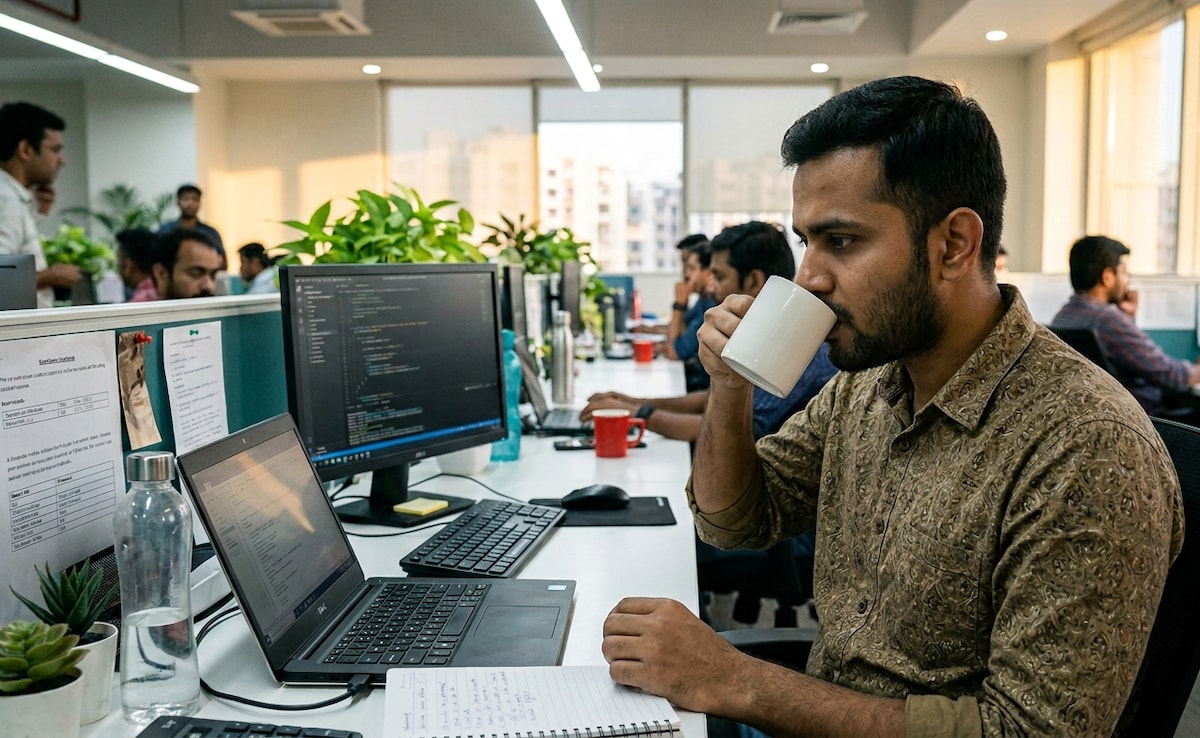
On days when you feel low on energy and find yourself excessively sleepy, and when concentrating on tasks seems impossible, coffee can be the perfect solution. It has become a part of nearly everyone’s morning routine, with many people relying on it to kickstart their day, stay productive during work hours, or power through an afternoon slump. Coffee contains caffeine, a natural stimulant that enhances alertness, improves focus, and increases overall energy levels. It boosts energy and concentration primarily by changing how your brain processes fatigue and motivation. The effects of caffeine begin to take place within 15 to 30 minutes after consumption. While many people know that coffee should be enjoyed in moderation, it is also crucial to drink it at the right times.
Consuming coffee at appropriate times can help prevent overstimulation, digestive issues, and jitteriness.
Best time to drink coffee for optimal energy levels
To maximise the energising effects of coffee, timing is crucial:
1. Avoid first thing in the morning:
Drinking coffee immediately upon waking often conflicts with your body’s natural peak in cortisol, the hormone responsible for alertness. Introducing caffeine at this peak can lead to overstimulation, increased jitteriness, and a faster build-up of caffeine tolerance.
2. Follow the 60-90 minute rule
Wait at least one hour after waking before your first cup to allow natural cortisol levels to begin their decline. This will help you boost alertness when you are about to start your day’s tasks.
3. Afternoon slump
If you want to fight midday fatigue, consider a cup of coffee around 1:00 PM to 3:00 PM. This can help maintain productivity without interfering too much with nighttime sleep.
4. Pre-workout boost
Coffee is an excellent pre-workout drink which can help improve physical performance. Consume coffee 30-60 minutes before exercise to reach peak caffeine concentration in the bloodstream.
5. Avoiding late consumption
It’s generally best to avoid drinking coffee in the late afternoon or evening, as it may disrupt your sleep patterns.
Other tips for safe coffee consumption:
1. Moderation is key: Aim for 3-4 cups of coffee per day, which is generally considered safe for most people. Overconsumption can lead to jitteriness, anxiety, and sleep disturbances.
2. Stay hydrated: Coffee can have a mild diuretic effect, so make sure you’re drinking water throughout the day to prevent dehydration.
3. Limit sugar and other additives: To keep coffee a healthy option, be mindful of sugar and high-calorie additives. Try to drink it black or with minimal cream and sweeteners.
4. Listen to your body: Individual tolerance to caffeine varies, so pay attention to how coffee affects you and adjust your intake accordingly.
5. Don’t drink on an empty stomach: Coffee is acidic and can trigger excess stomach acid when consumed on an empty stomach. Pair it with a small snack or breakfast to avoid gut discomfort.
6. Space out doses: Taking small, frequent doses of caffeine throughout the day can maintain steady alertness better than one large dose.
Benefits of drinking coffee
1. Caffeine improves cognitive function, helping with focus and concentration.
2. Coffee can enhance physical performance by increasing adrenaline levels, which can be particularly beneficial for athletes or those engaging in strenuous activities.
3. Coffee is rich in powerful antioxidants, which help combat oxidative stress in the body.
4. Some studies suggest that regular coffee consumption may lower the risk of diseases like Parkinson’s and Alzheimer’s, and it may also have a protective effect against type 2 diabetes.
If you drink coffee on a regular basis, follow these tips for maximum benefits. To maximise your energy levels, the best time to drink coffee is mid-to-late morning, specifically between 9:30 AM and 11:30 AM.
Disclaimer: This content including advice provides generic information only. It is in no way a substitute for a qualified medical opinion. Always consult a specialist or your own doctor for more information. NDTV does not claim responsibility for this information.