Last year, Nepal saw a Gen-Z-driven political upheaval that reshaped its power structure. Riding that wave of public anger and hope, voters brought in a new government, expecting a clean break from the past, one defined by reform.
However, barely a month in, doubts are already surfacing on whether the new leadership is delivering.
Early Cracks In A New Government
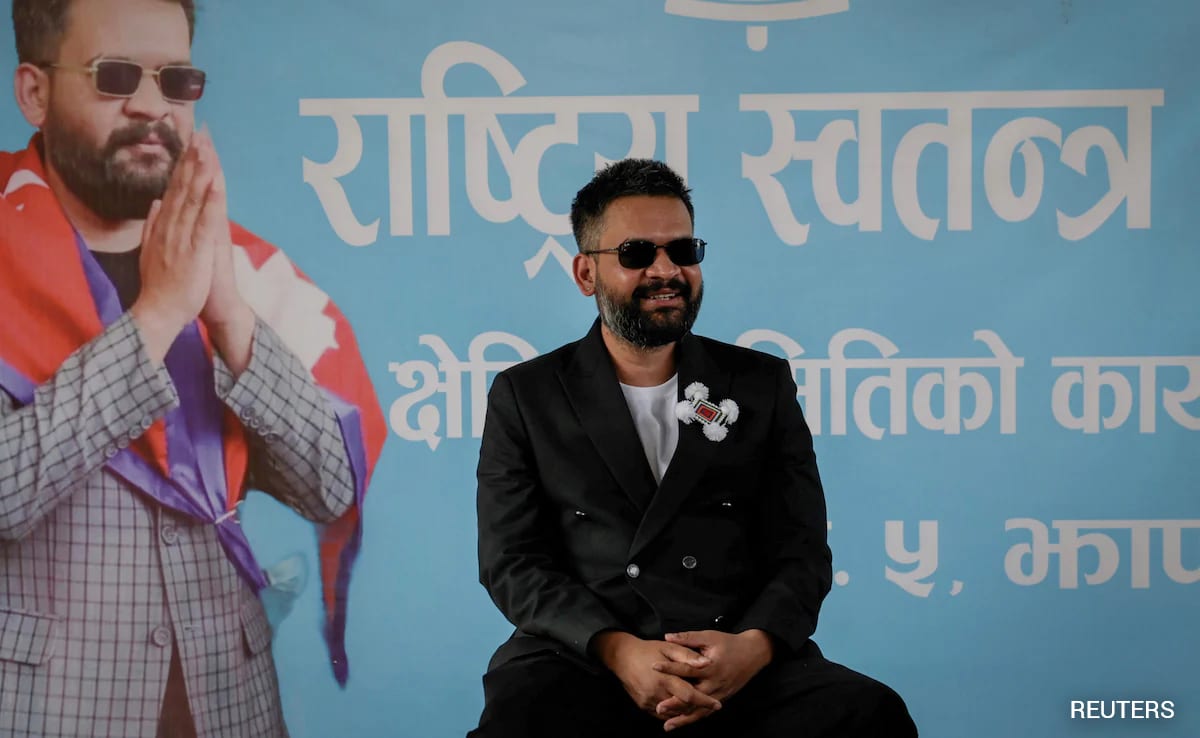
Since rapper-turned-politician Balen Shah, 35, took office as prime minister, his government has been rocked by instability. Within just 26 days, two ministers have stepped down, raising concerns.
The resignations have cast a shadow over Shah’s reformist image and the promises made by his party, the Rastriya Swatantra Party (RSP), which swept to power pledging to curb corruption and bring transparent governance.
Resignations Shake Credibility
Nepal’s Home Minister, Sudan Gurung, became the second minister to resign, citing questions over his investments and personal dealings.
In a public statement, Gurung said he was stepping down in the interest of accountability, emphasising that “morality is greater than position” and that public life must remain clean.
Earlier, Labour Minister Dipak Kumar Sah was forced out after allegations that he misused his office to secure a position for his wife on the board of the Health Insurance Board. He resigned just 13 days after taking the oath, following pressure from within his own party.
For now, Shah has taken charge of the Home Ministry until a replacement is named.
Border Policy Sparks Public Anger
Beyond political turbulence, public frustration is also boiling over, especially in areas along the India-Nepal border.
A new rule mandates that anyone bringing goods worth more than 100 Nepali rupees from India must pay customs duty. Authorities have begun enforcing the rule strictly, checking individuals and confiscating goods from those who refuse to pay.
For many border residents, who rely on cheaper goods from India for daily essentials, the move has hit hard. The policy has triggered visible anger, with videos of enforcement actions circulating widely on social media.
Adding to the confusion, some officials have suggested the directive is not formally documented, raising questions about its implementation.
Inflation Adds To The Pressure
The economic situation is further complicating matters. Following the Iran-US conflict, fuel prices in Nepal have surged sharply. Petrol prices have jumped from around 150 Nepali rupees to nearly 225, a steep increase that has rippled through the cost of living.
With inflation rising and restrictions tightening, public dissatisfaction is growing louder.
Nepal currently ranks 109th out of 180 countries on Transparency International’s Corruption Perceptions Index.
However, early controversies, ministerial exits, and unpopular policies have placed the Shah administration under intense scrutiny.