4 min readPuneUpdated: Apr 25, 2026 02:41 PM IST
Like a precious heirloom, a story is passed down to children in the family of Ashok Makar. “Long ago, when the British were ruling India, the Governor of the Bombay Presidency would visit Pune. One of his favourite leisure activities was to take a boat ride in the Pashan Lake,” begins the story before Makar comes to the punchline: “It was my chacha whom the Governor would choose to row the boat around the lake. The other chacha, meanwhile, would hold a kulhadi and stand guard so that nobody dared to attack the Governor.”
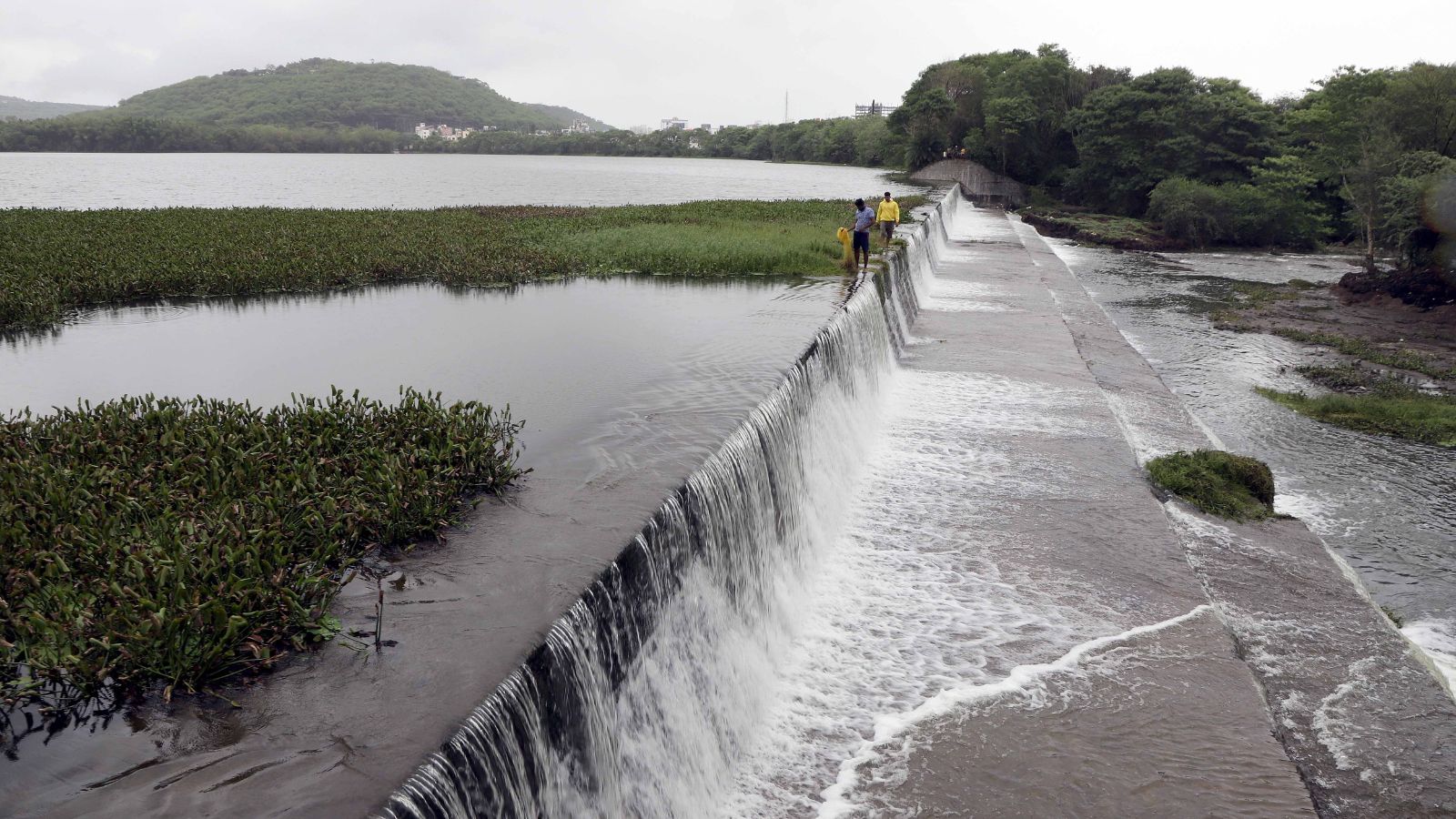
Makar is struggling to bring back the era of boating to Pashan Lake, a Herculean task as the water is choked with water hyacinth that can destroy boats. “I am willing to clean the lake with my own funds if the Pune Municipal Corporation (PMC) lets me,” says Makar, a state government employee.

It is not only Makar’s family whose sentiments are tied to the Pashan Lake. The waterbody flows through a significant part of Pune’s history. For many visitors who amble or run in the greenery, however, information about Pashan Lake’s origins seems lost, just like the clear and clean water overcome by pollutants.
The Gazetteer of the Bombay Presidency, Volume XVIII, Part III, states that “Pa’sha’n” was “a small village of 913 people four miles north-west of Poona, two miles west of Ganeshkhind and about a mile from the Bombay road. “Pashan has a reservoir which supplies Government House, Ganeshkhind, and Kirkee Avith a plentiful supply of good water”.
According to research by Punyache Paani, which documents the waters of Pune, Pashan Lake was built by the British in 1867-68 at a cost of ₤16,700 (when 10 Indian rupees equaled a British pound). “Water from the reservoir was supplied to the Gun Powder Works in Kirkee. Stored water was pumped and supplied to ‘Government House’ in Ganeshkhind. This building is now part of the Savitribai Phule Pune University. The lake was frequently used for duck shoots by the British until the military presence in the area increased,” it says.
Shailaja Deshpande of Jeevitnadi, which is working to protect the ‘rights’ of Pune’s rivers, says that even after the end of colonial rule, PMC depended on Pashan Lake to supply water for domestic use and irrigation, because the civic body’s own pipelines and other infrastructure had not been established. “It was a decentralised water management system where Pashan Lake was supplying water to the vicinity of Pashan and Bavdhan, among others,” she says.
Deshpande emphasises that Pashan Lake was “one of the richest bird habitats” of the area because all migratory birds used to come over to this wetland ecosystem. The lush growth can reward you, even now, with the call of cuckoos and sights of Purple Swamphen and Jungle Warbler, among others. In a study published in 2024, the scholars noted that Pashan Lake was an overwintering site for a large number of birds. The scholars had counted “81 bird species with the highest bird diversity in the winter season. Omnivorous and insectivorous birds dominate the fauna”. Apart from that, there are dragonflies and tadpoles, and the water beetle, which is known as the Water Boatman.
Story continues below this ad
Today, Pashan Lake is in the news as a symbol of broken civic and social systems. Around a fortnight ago, visitors were shocked to find a large number of dead fish floating on the water. PMC says that this was the result of untreated sewage being discharged into the lake since a Sewage Treatment Plant had been shut down. Some officers were suspended, and some were showcaused. For the flora and fauna, the fight continues to return to a time when people in power would enjoy the aesthetics of the natural wonder.

Click here to join Express Pune WhatsApp channel and get a curated list of our stories
© The Indian Express Pvt Ltd