4 min readPuneApr 29, 2026 10:14 PM IST
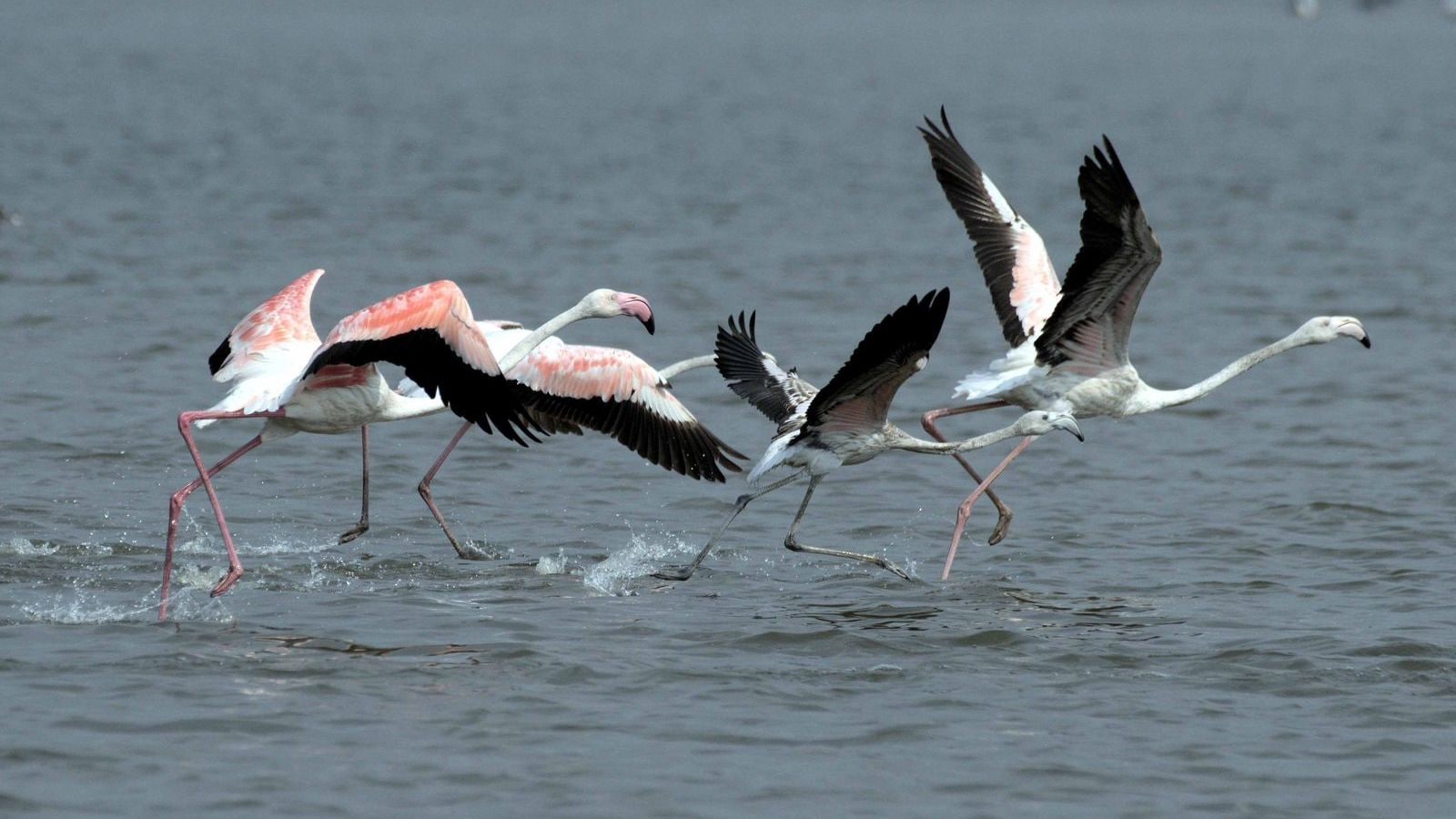
Every year from November to April, the shallow backwaters of the Ujani dam, near the small village of Kumbhargaon in Bhigwan, about 100 km from Pune, turn a shade of pink. Thousands of greater flamingos descend on the wetlands, drawing wildlife photographers, tourists, and nature enthusiasts from across the country. Boatmen, hoteliers, homestay owners, and local guides count on this annual spectacle for their livelihood. But this year, the flamingos never quite arrived.
“We only sighted around 200 to 250 greater flamingos this season, which runs from November to April. Even those that didn’t settle, they came in small flocks (around 30) and flew back within two or three days,” says Nitin Dole, a Kumbhargaon resident who runs a bird guide and safari service. “Tourism has been severely affected. Footfall has been very low, and it has hit the people running boat services, hotels, homestays, and safaris.”

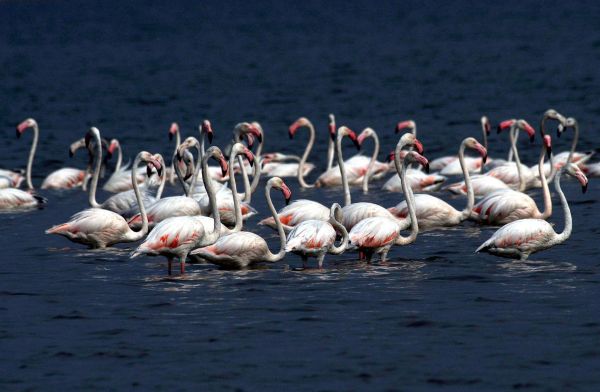 Due to drought conditions, the nesting of Siberian flamingos is being affected by a decline in their migration numbers. (Express Photo by Pavan Khengre)
A season of waiting
The Bombay Natural History Society (BNHS) has been conducting flamingo count surveys at Kumbhargaon and the Bhigwan area since 2021. “We have recorded an average of over 1,000 bird visits each year, and the numbers have touched 2,000 as well,” said Abhinav Nair, Senior Project Fellow at BNHS, Mumbai.
“But from June 2025 to April 2026, there has been a significant decrease in flamingos visiting the backwaters of Ujani dam. From January onwards, only small flocks of 20 to 30 flamingos came, and none of them settled for long.”
Bhagyashree Thakur, Range Forest Officer at Indapur, also acknowledged the drop but says the forest department doesn’t have the data. “The count has reduced this year, but we don’t have the exact figures. The primary reason appears to be the heavy rainfall last monsoon, which raised the water level in the Ujani dam significantly. Flamingos need shallow wetland conditions – in high water levels, they don’t find enough algae to feed on, so they likely moved elsewhere,” she says.
Flamingo’s journey southward
Greater flamingos feed, congregate and breed in large numbers at Gujarat’s Rann of Kutch and Rajasthan’s Sambhar Lake. They typically move southward, into Maharashtra, Karnataka, and sometimes as far as Tamil Nadu, only when water levels in these northern wetlands fall enough to reduce food availability. This year, that trigger did not come in time.
Sanjeev Phadtare, a Pune-based wildlife photographer who has been visiting the Bhigwan area for over a decade, agrees. “Every year during the last week of January, water is released from Ujani dam, and that usually brings the levels down to what flamingos prefer. But despite the release this year, the water level remained high, which is not favourable for flamingos. Some flocks began arriving from February onwards, but by then the main season had already passed.” For Phadtare, it was a year without photographs. “A disappointment among enthusiasts,” he says.
Climate change, shrinking habitats
Story continues below this ad
Behind this disappointing season lies a larger, more troubling picture. Phadtare points to climate change as a growing factor in the shifting patterns of migratory birds. “The monsoon now arrives early and lingers – last year it continued almost until November. Even in the Siberia region, temperatures are rising, which means flamingos can find the food they need further north and have less reason to travel south,” he says.
He also flags the loss of natural habitat around Baramati’s grasslands, where development works, including solar plant installations, have disrupted the landscape. “In my experience over the years, sightings of raptors, harriers, flamingos, and other species have been steadily reducing. The administration must find a way to carry out developmental activities while also conserving the natural environment,” he says.
Waiting for next season
For now, Kumbhargaon waits. The boat guides, the hoteliers, the photographers – all hoping that next winter, the water levels will be kinder and the flamingos will return in the thousands they once did.

Click here to join Express Pune WhatsApp channel and get a curated list of our stories
© The Indian Express Pvt Ltd