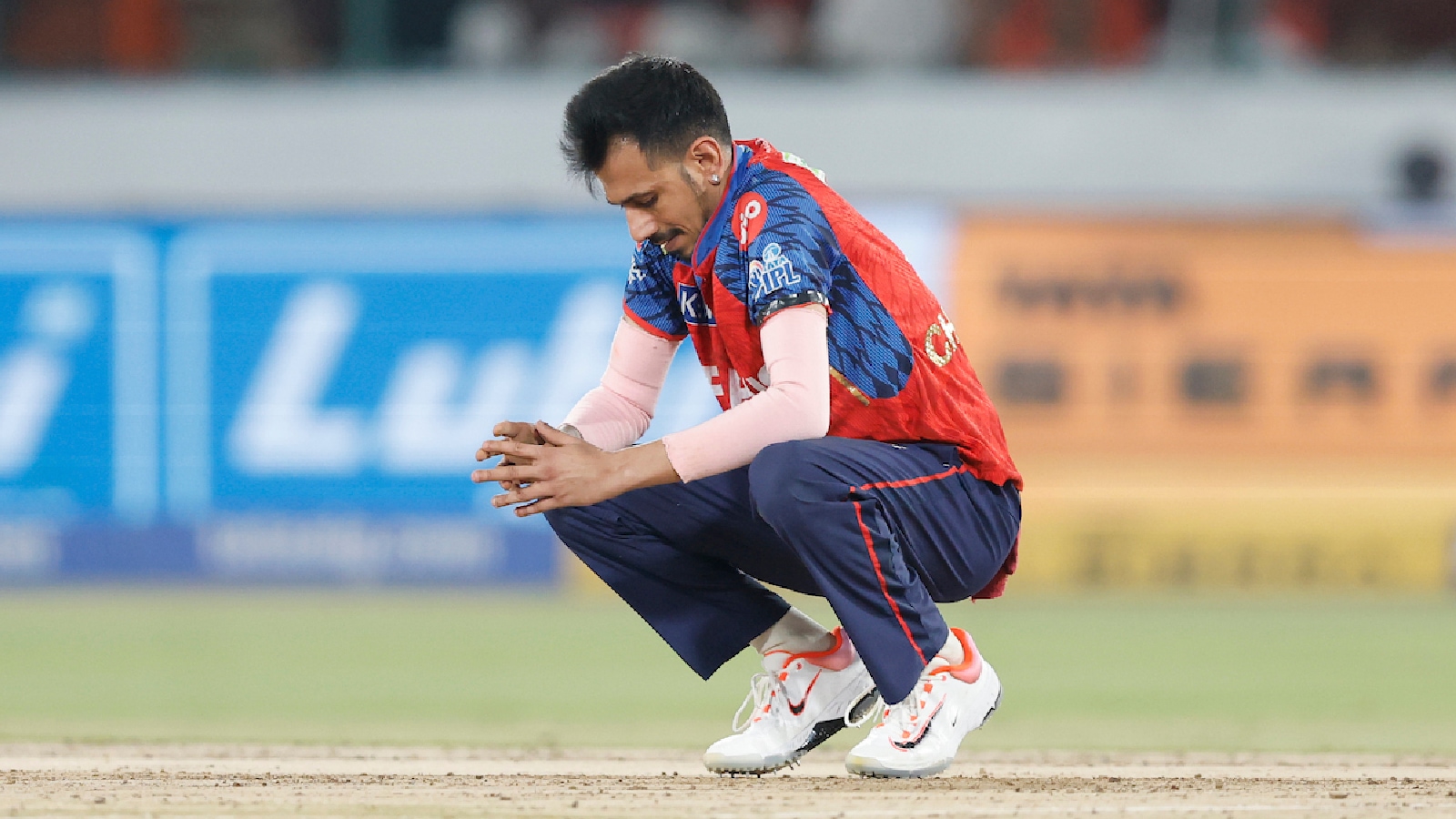
For much of IPL 2026, Punjab Kings looked like a side sprinting ahead of the pack.
They chased down huge scores and played with a fearlessness that made them one of the most entertaining teams in the tournament. But things have taken a turn for the worse in recent weeks, with the Shreyas Iyer-led side suffering a fourth straight defeat, this time to Delhi Capitals (DC) in Dharamshala on Monday.
Defending 210 runs, PBKS watched DC chase the target down with an over to spare, but beyond the sloppy death bowling, one detail stood out: Yuzvendra Chahal not getting a single over.
It was a decision rooted in match-ups. DC had two left-handers – Axar Patel and David Miller – controlling the chase through the middle overs, and PBKS seemingly felt Chahal was too risky an option against them.
More importantly, this was not the first time this season that Iyer seemed reluctant to use him in uncomfortable match-ups.
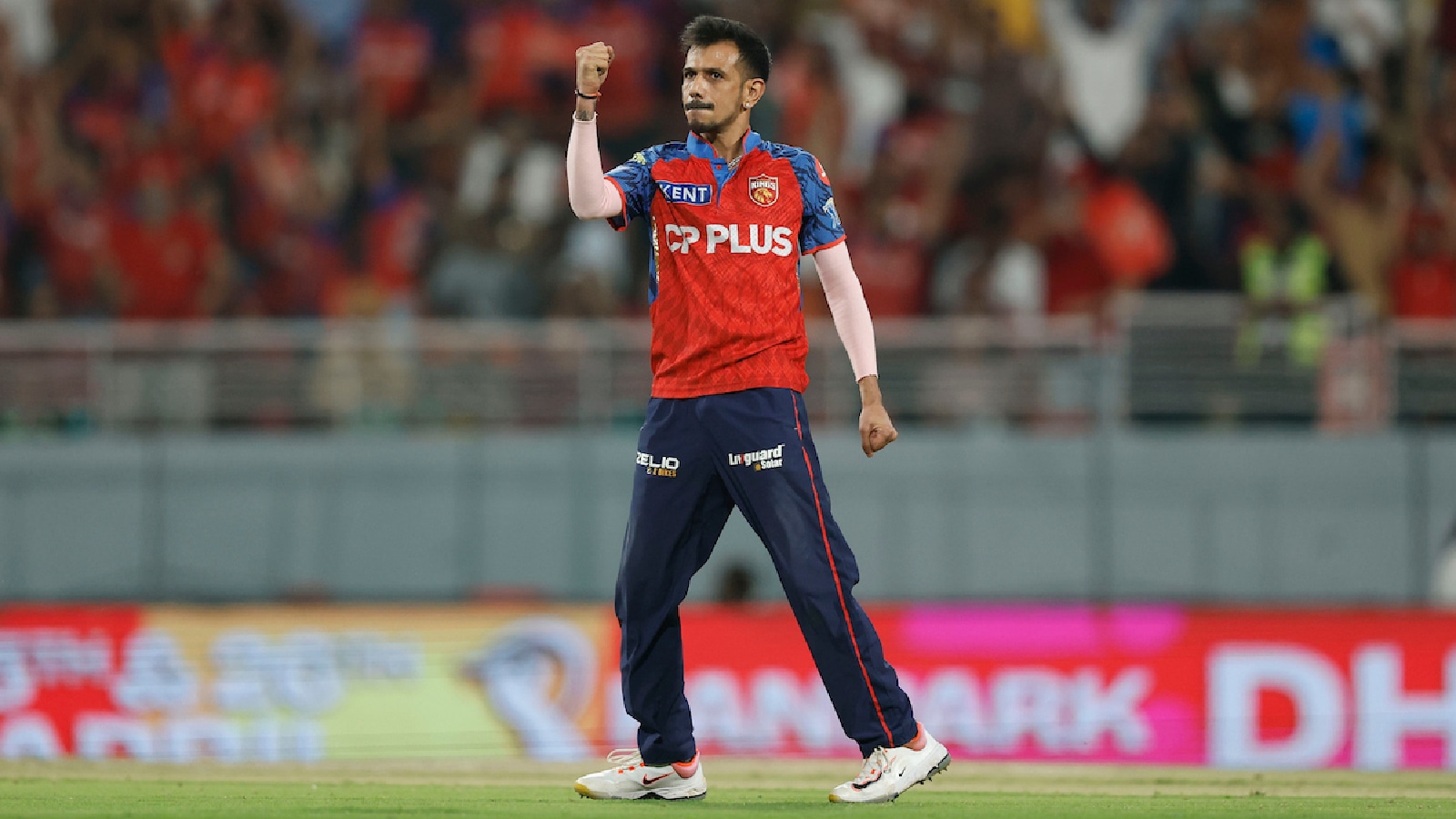 Yuzvendra Chahal of Punjab Kings celebrates the wicket of Mitchell Marsh of Lucknow Super Giants at New International Cricket Stadium, New Chandigarh, India, on April 19, 2026. (CREIMAS)
Against Gujarat Titans in Ahmedabad, Chahal bowled only one over while Sai Sudharsan and Washington Sundar were batting, with Iyer repeatedly backing his seamers instead. That hesitation has become a pattern. The leggie is rarely trusted in the powerplay, almost never used at the death and seems increasingly restricted to favourable right-hand match-ups in the middle overs.
He has taken only eight wickets in the nine matches he’s bowled in this season, with match-ups dictating his use more than his pedigree as a bowler.
The numbers explain part of that thinking.
Story continues below this ad
Since IPL 2023, Chahal’s record against left-handers has steadily declined. In 48 innings against them, he has conceded 750 runs at an economy of 10.56 while taking only 18 wickets at a strike rate of 23.7.
The fall has been particularly alarming over the last two seasons. Since the start of IPL 2025, he has dismissed left-handers only five times, and those numbers seem to have affected PBKS’ tactical thinking throughout this season.
There have been clear examples this season of left-handers targeting and succeeding against him.
Against DC in Delhi, Nitish Rana faced up to Chahal by using his feet and the sweep, thereby preventing him from settling into a rhythm. Against MI at Wankhede, Quinton de Kock used his feet, swept aggressively and attacked both the leg break and wrong’un as Chahal leaked 45 runs in three overs.
Story continues below this ad
Modern T20 batting line-ups are built around left-handers through the middle phase. Avoiding those match-ups entirely is difficult. Yet Chahal has found ways to fight back.
Against SRH, he dismissed Travis Head for 38 with a cleverly disguised wrong’un and returned with 1/32 in four overs. Against RR, he accounted for Yashasvi Jaiswal for 51 and was seen pointing towards Iyer soon after the dismissal, as if to suggest a plan had worked.
Those performances have been sporadic, but they still suggest Chahal remains capable of finding breakthroughs even in difficult match-ups.
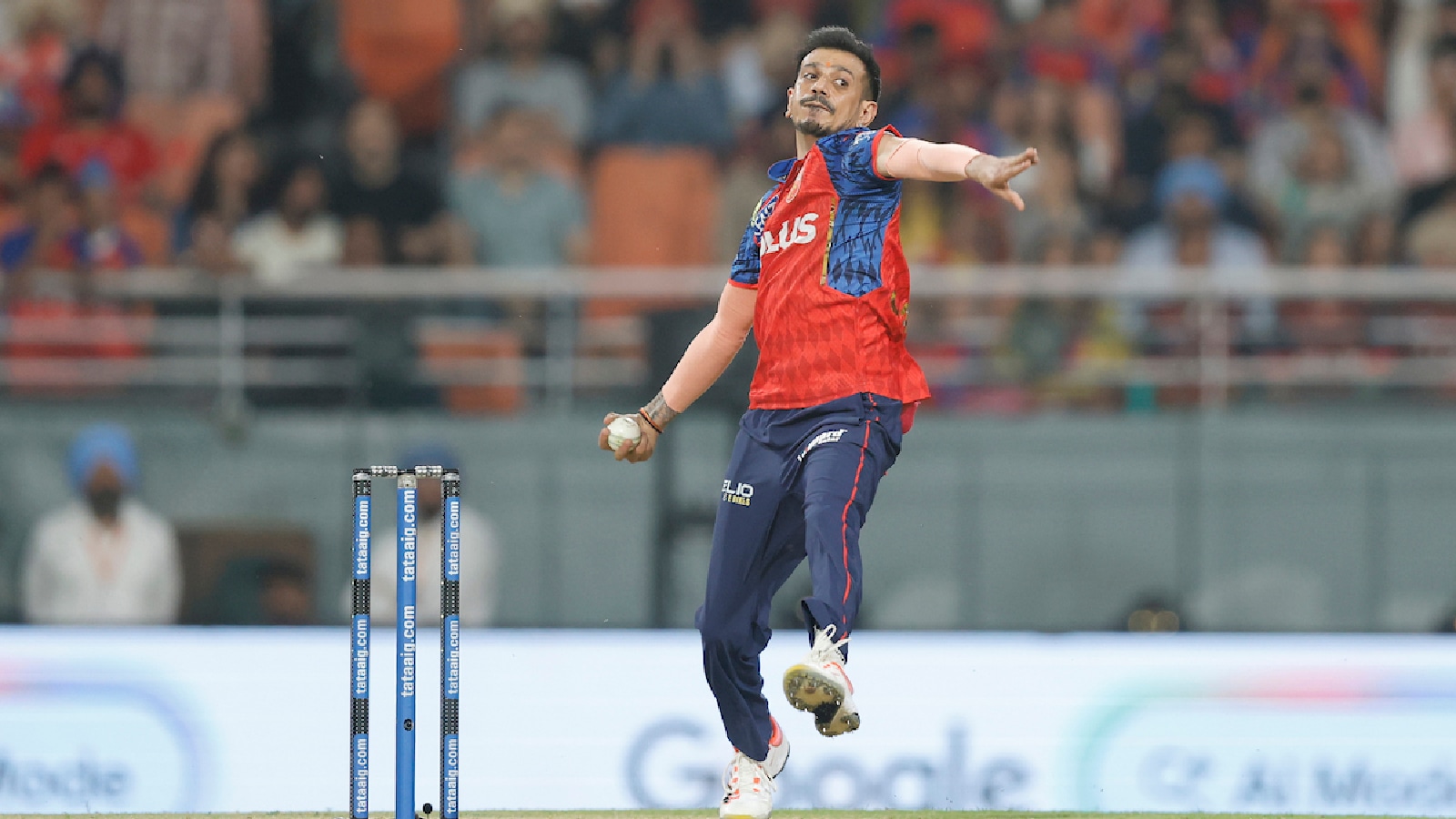 Yuzvendra Chahal of Punjab Kings bowls during a match vs Gujarat Titans at New International Cricket Stadium, New Chandigarh, India, on March 31, 2026. (CREIMAS)
PBKS’ handling of Chahal also raised broader questions about their bowling plans on Monday. After the match, Iyer explained that the team felt the conditions suited seam bowling.
Story continues below this ad
“There was absolutely a thought in my mind (of giving Chahal an over), but the way ball was seaming and the way it was helping seamers, I think if we would have executed our line and length precisely, we could have been able to extract wickets, but unfortunately again, we didn’t,” he said.
Spin-bowling coach Sairaj Bahutule agreed. “There was a thought during the timeout, but I think the ball was seaming, and the conditions were suitable for the fast bowlers, so I think the decision was very spontaneous to continue with the fast bowlers and see how we can get those wickets and which we did early on, but I think one partnership just took it away from us,” he said.
But if seam movement was truly Punjab’s biggest weapon, the execution of that plan still felt strange.
Arshdeep Singh, PBKS’ best bowler on the night, completed his spell by the 15th over, having conceded just 21 runs. Once he bowled his quota, PBKS were left relying on Marcus Stoinis and other inexperienced options like Yash Thakur and Ben Dwarshuis at the death.
Story continues below this ad
Perhaps the bigger issue now is not simply Chahal’s numbers against left-handers, but what PBKS actually expect from him.
A wrist-spinner is usually picked because captains trust him to take risks, attack strong batsmen and survive difficult match-ups. But increasingly, PBKS seem to be treating Chahal like a bowler who can only operate under specific scenarios. And when a team starts protecting its strike bowler from pressure situations, it often reveals as much about the side’s uncertainty as it does about the bowler himself.
(With stats inputs from Lalith Kalidas).