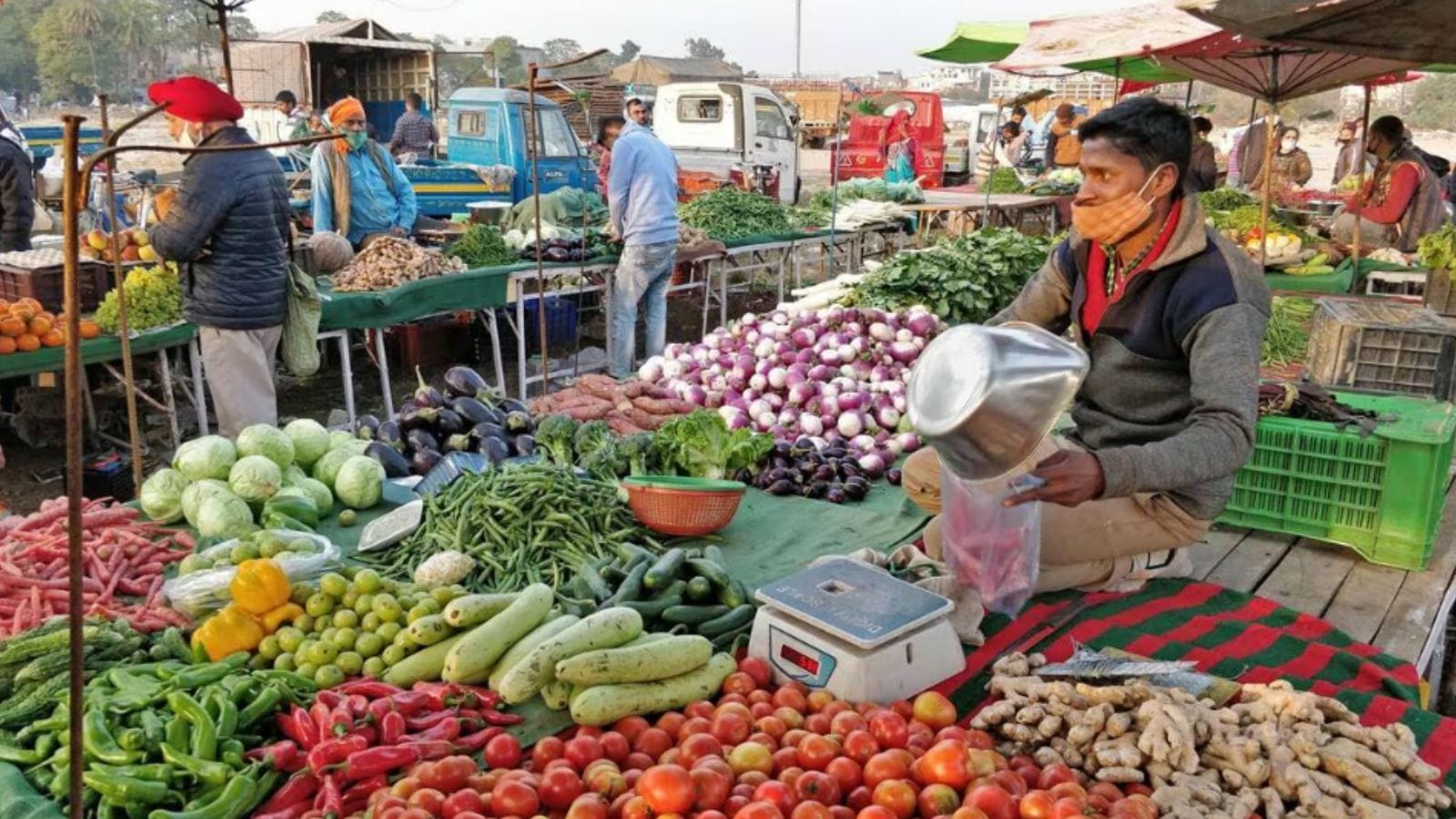
The effect of the recent hike in petrol and diesel prices by public sector oil marketing companies (OMCs), the first in over four years, is beginning to show at Pune’s wholesale markets.
Traders at the city’s Gultekdi market are bracing for a rise in vegetable and fruit prices, as higher fuel costs push up road transport and procurement expenses.
The Rs 3-per-litre increase in fuel prices, triggered by mounting financial pressure on OMCs amid surging international crude prices, has set off alarm bells among traders who depend heavily on long-distance road transport to stock Pune’s markets.
For the moment, fruit prices remain relatively stable. However, traders warn that the situation could change in the coming weeks.
Suyog Zende, a fruit trader at Gultekdi market, said, “Currently, fruit rates are stable since most of the supply is coming from nearby areas around Pune, and it has been only three days after the rate hike, so there is no major issue with carrying charges right now.”
But Zende cautioned that this calm may be short-lived. “Dasheri and Langra – two of the most beloved mango varieties from Uttar Pradesh – usually start arriving at the Pune market from the first week of June. Apple supply from Delhi and Himachal Pradesh begins around August. If fuel prices stay this high, we could see a 10 to 15 per cent rise in procurement costs, as all of this produce comes by road transport,” he said.
Marginal farmers may skip Pune markets
The concern is not limited to rising transport bills. Traders fear that small and marginal farmers, already under stress from unseasonal rains and low prices, may simply choose not to send their produce to Pune if transport costs eat into their slim margins.
Story continues below this ad
Yuvraj Kachi, a trader at Gultekdi market, said, “Most agricultural produce coming to Pune depends largely on road transport. Several marginal farmers cannot afford to pay high transport costs, so they may stop sending their produce to Pune and sell locally instead. This could cause a supply crunch in the city and push vegetable prices up by around 20 to 25 per cent. Farmers are already distressed with unseasonal rains and low prices – this fuel hike is yet another burden on them.”
Vegetables expected to cost more
For traders dealing in staple vegetables, the impact of sustained fuel prices is already being factored into their projections.
Atul Raykar, a vegetable trader, said, “Potatoes, which are sourced from Indore, Agra, and other cities in the North, are currently priced between Rs 12 to Rs 15 per kg at wholesale. Tomatoes from Satara and Shrigonda are going at Rs 20 to Rs 30 per kg. If the fuel price hike sustains, procurement costs will go up, and we could see a 10 per cent increase in vegetable prices by the end of May.”
Fruits set to get costlier
Fruit traders dealing in produce sourced from distant states say increased transport costs will be passed on to consumers if the fuel prices hold.
Story continues below this ad
Ajit Ghule, a fruit trader at Gultekdi market, explained: “Jamun comes from Karnataka, pineapples from Kerala, and papayas from Solapur. A truck carrying 9 to 10 tonnes of pineapples from Kerala to Pune is now costing around Rs 35,000. Transport for one crate of Karnataka jamun, about 20 to 22 kilograms, is Rs 350. Papayas come in pickup trucks of 2.5 to 3 tonnes, costing around Rs 15,000 per trip. All these rates are set to rise with a sustained increase in petrol, diesel, and CNG prices.”
Ghule added that the burden would ultimately fall on the end consumer. “Farmers cannot absorb these added costs for long. So traders end up buying at higher rates, and customers pay the price eventually. If the fuel hike continues, we expect a 5 to 10 per cent rise in fruit prices,” he said.
Caption: Traders caution that sustained fuel prices could push procurement costs higher, with prices likely to rise by the end of May. (File Photo)