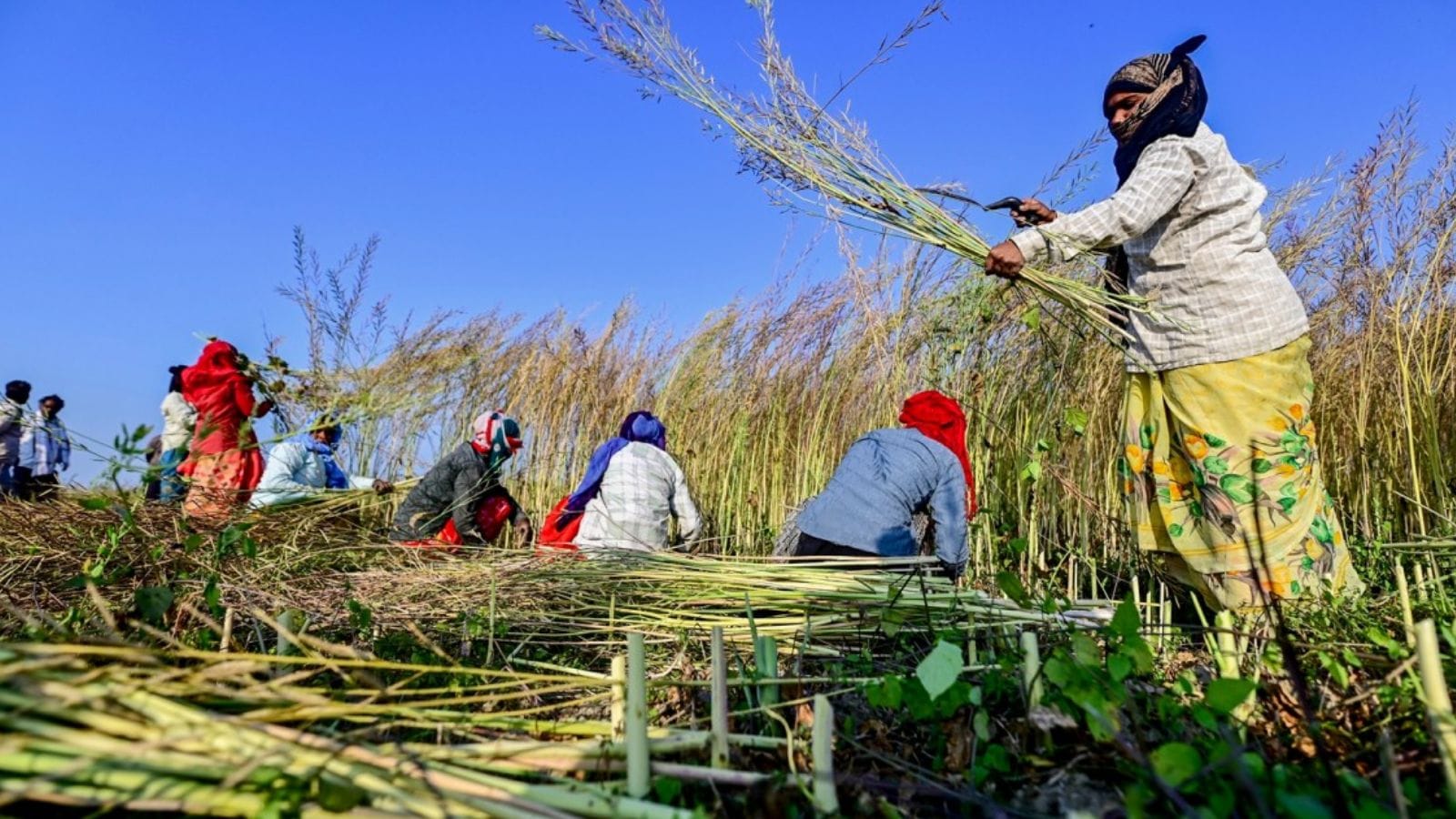
Maharashtra’s loan waiver for farmers announced on Tuesday is the biggest so far for the state, amounting to Rs 36,585 crore. However, the Opposition has claimed that the figure hides the fine print – that stringent qualification conditions mean a lot of farmers will fall out of its umbrella.
The Punyashlok Ahilyadevi Holkar farm loan waiver scheme will be enforced from June 20, with 55.72 lakh farmers out of the total 1.7 crore – including land holders, cultivators etc – expected to benefit from it. It is applicable to crop loans taken between April 1, 2019, and March 31, 2025, with those who have arrears as of September 30, 2025, eligible for a waiver of up to Rs 2 lakh.

Farmers regular with repayments since the last loan waiver in 2019 (by the Maha Vikas Aghadi government led by Chief Minister Uddhav Thackeray) will receive an incentive grant of Rs 50,000, while those with farm loans above Rs 2 lakh would have to pay only the additional amount.
Most importantly, there is no land-holding limit in the scheme. Those who availed of loan waiver benefit in 2019 but continued to default till 2025 will not be left out in the cold either, and get up to Rs 50,000.
However, the Opposition has pointed to conditions such as the restriction of waiver to only crop loans, thus excluding farmers who may have taken loans to buy farm equipment or cattle, fertilizers, tilling, digging of wells etc. Salaried individuals with monthly income more than Rs 25,000; income tax payers; retired individuals with income more than Rs 25,000; elected former and current representatives; and government employees are not eligible either. Officials said these categories account for 1 crore farmers.
Incidentally, in a reply to the Maharashtra Assembly in February this year, the Fadnavis government said that of 50.60 lakh farmers eligible under the 2017 farm loan waiver scheme, 6.56 lakh were still to be covered. The 2019 scheme had much fewer beneficiaries, 32.42 lakh, but that was because of the tighter eligibility window and the narrow gap from the 2017 scheme.
Other experts point out that the loan waiver is just short-term relief, while farmers need lasting solutions such as easy and timely access to seeds and fertilizers during the sowing period, which has been affected by the US-Israel war on Iran.
Story continues below this ad
CM Devendra Fadnavis has called fears of a shortage of fuel and fertilizers misplaced. Official sources claim the government in fact expanded the scope of those who could qualify for the loan waiver, from what was suggested by a panel set up by it to work out the details of the scheme.
The ruling Mahayuti is hoping to pitch the loan waiver as a big governance move by its government and Fadnavis as “a friend of farmers”. The Cabinet even passed a resolution “congratulating” the CM for it.
NCP (SP) leader Rohit Pawar said: “Farmers are already reeling under hardships. When you enforce so many conditions, how will they withstand scrutiny? Instead of simplifying and helping farmers, the administration is complicating things.”
Congress state president Harshvardhan Sapkal dismissed the loan waiver as an “eyewash”.
Story continues below this ad
Farmer activists and leaders see the waiver as a mixed bag. All India Kisan Sabha leader Ajit Navale said that the conditions imposed defeat the objective of the scheme.
Swabhiman Shetkari Sanghatana president Raju Shetti said, “If the government wants to help farmers, it should simply credit the amount directly into their accounts and write off their debt. Why engage in this arduous process?”
While welcoming the scheme, a farm activist from Vidarbha, Vijay Jawandhia, said it was only “short-term relief”. “Now the government should focus on making MSP for crops mandatory. Without MSP, it cannot help farmers become self-reliant.”
With a crisis in both fuels and fertilizer looming due to the West Asia conflict, and a possible El Nino impact adding to weather fears, the government has been wary of unrest brewing in rural Maharashtra. The loan waiver announcement came just ahead of the start of sowing for kharif crops this month.
Story continues below this ad
A majority of the small and marginal farmers in the state – who together constitute up to 65% of its agricultural population – depend on the kharif harvest.