3 min readNew DelhiApr 29, 2026 11:35 AM IST
The current head of Nasa, Jared Isaacman, has publicly voiced support for restoring Pluto’s status as a full-fledged planet, reopening one of astronomy’s most debated decisions.
At a US Senate hearing on April 28, Isaacman said, “I am very much in the camp of ‘make Pluto a planet again.’” He added that efforts are currently underway to produce scientific papers that could help revive the discussion within the global astronomy community.

“We are doing some papers right now… a position that we would love to escalate through the scientific community to revisit this discussion,” he said, indicating a more formal attempt to challenge Pluto’s current classification.
Why Pluto lost its planetary status
Pluto was reclassified in 2006 by the International Astronomical Union (IAU), which introduced a new definition of what qualifies as a planet. Under these rules, a celestial body must orbit the Sun, be spherical in shape, and clear its orbital neighbourhood of debris.
While Pluto meets the first two criteria, it fails the third, as it shares its orbit with other objects in the Kuiper Belt, a distant region filled with icy bodies. The decision ultimately downgraded Pluto to a “dwarf planet”, sparking widespread debate among scientists and the public.
Supporters of Pluto’s planetary status have long argued that the IAU’s definition is inconsistent. They point out that planets like Earth and Jupiter also share their orbital zones with asteroids and other objects, raising questions about why Pluto was singled out.
The debate carries emotional weight as well. Pluto remains culturally significant, particularly in the United States, where it was discovered in 1930 by American astronomer Clyde Tombaugh at the Lowell Observatory.
Story continues below this ad
Isaac echoed this sentiment, emphasising the importance of recognising Tombaugh’s contribution. His remarks suggest that the push to restore Pluto’s status is as much about scientific reconsideration as it is about historical recognition.
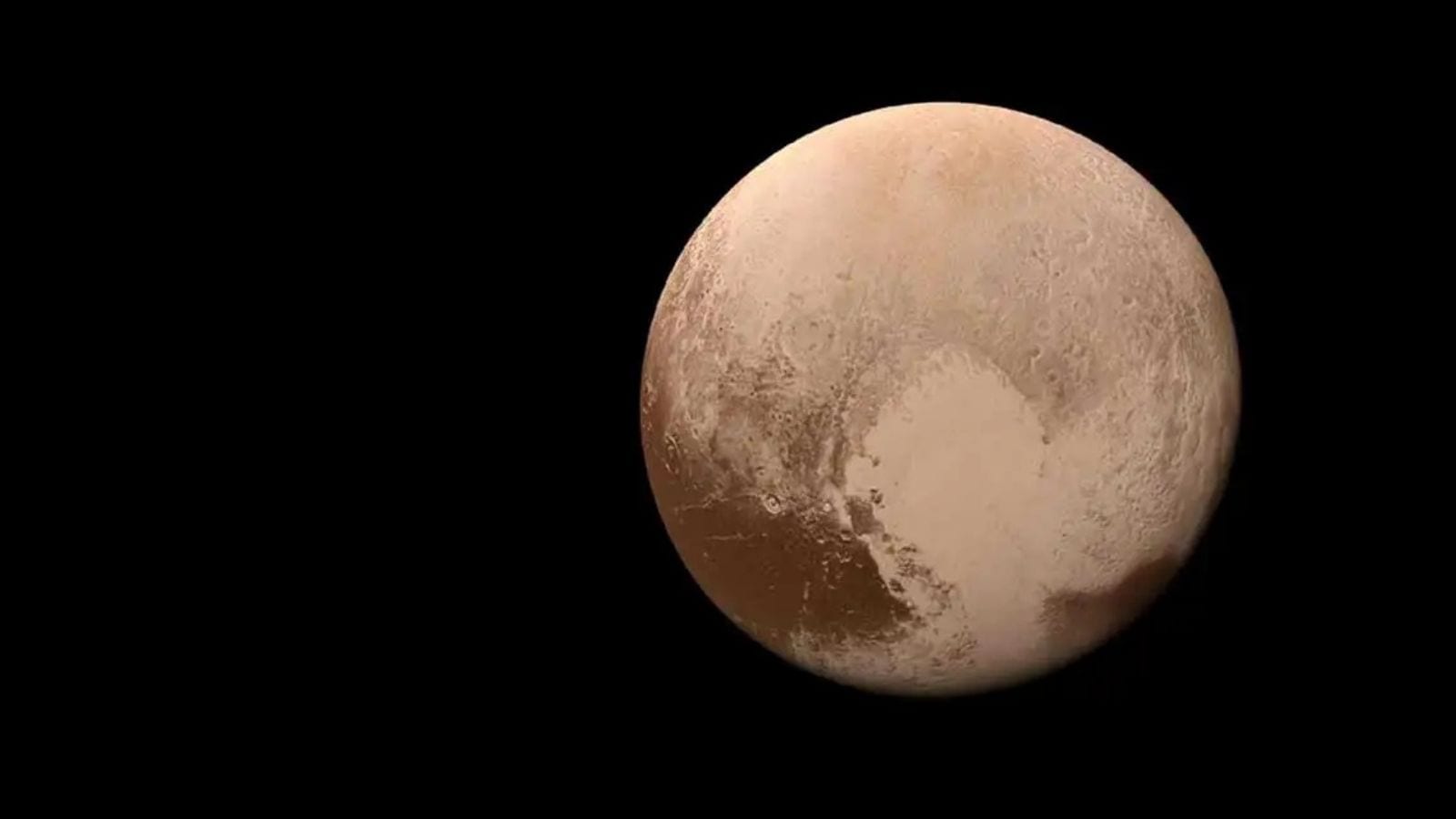
Interest in Pluto surged again in 2015, when Nasa’s New Horizons spacecraft conducted a historic flyby. The mission revealed a surprisingly complex world, featuring towering ice mountains, vast nitrogen glaciers, and the iconic heart-shaped region known as Tombaugh Regio. These discoveries challenged earlier assumptions about Pluto being a simple, inactive body, strengthening arguments that it deserves reconsideration.
Can Pluto become a planet again?
Despite growing support from some scientists and now Nasa’s chief, the final decision rests with the IAU. Only the organisation has the authority to redefine planetary classifications.
For now, Isaacman’s comments signal a renewed effort to reopen the debate at a scientific level. Whether that leads to Pluto regaining its planetary status remains uncertain—but the conversation, it seems, is far from over.
© IE Online Media Services Pvt Ltd