This season some insightful cricket-chatter from small-town maidans reached the IPL. It was about Little India’s eternal optimism of seeing the stalwart of the sport in their local stars. Like Malegaon ka Superman, these too were intriguing stories of hope and outlandish ambition.
Now running to packed stadiums across India are Samastipur ka Lara, Gopalganj ka Rabada and Meerut ka Suresh Raina. Vaibhav Sooryavanshi, Sakib Hussain and Sameer Rizvi, like so many before them, have temporarily posted their hometowns on cricket’s world map. But to stay there, to make their geography part of cricket history, there are many tight hoops to jump through.
So far so good. The left-handed Suryavanshi’s high backlift made Samastipur quickly conclude that they had a mini-Lara amidst them. So overwhelming was the consensus, that the young boy started believing the hype. Watching Lara on loop would become a hobby and later an obsession.
So when Sooryavanshi went to Rajasthan Royals trials, he would surprise coach Zubin Bharucha with the choice of his batting idol. Till he actually saw his back-lift and swing, Bharucha had doubts. How does a 13-year-old from Bihar, born a year after Lara played his last international game, make the West Indian great his batting template?
A hint to the answer lies in a popular Bollywood song – Chhote chhote shehro se, khali bore dopehro se… It is about those away from big cities inclined to dream big during the boring afternoons they had to endure. When Sooryavanshi watched Lara’s youtube videos on loop during those boring Samastipur afternoons, he took a flight of fancy. Samastipur, in turn, would whole-heartedly endorse it. Gopalganj and Meerut would also indulge their own dreamers.
ALSO READ | How Sakib Hussain, the ‘Rabada of Gopalganj’, went from tennis-ball cricket to a four-wicket IPL debut
In the days to come, the fate of these young Laras, Rabadas, Rainas would be closely followed. In case they fail to deliver, the comparisons will soon be forgotten like a bad investment. There is also a more pleasant scenario. That the youngsters actually live up to their early promise, emerge out of the towering shadows they are thrust under early in life, and write their own script.
Story continues below this ad
Indian cricket has examples for both cases. Once Prithvi Shaw used to be Virar ka Sachin, now he is the boy who lost his way. His Next Big Mumbai batsman to Next big Mumbai flop has been quick. For Axar Patel, the Nadiad ka Jayasuriya, the tag given by his tennis ball circuit friends didn’t stick for long. He is now just Axar Patel – the IPL captain and the gun all-rounder who is part of India’s leadership group. He is Bapu but is still many steps away from the next level – adding Nadiad to the cricketing folklore. These days, reporters desperate for stories, when covering games in Ahmedabad, do travel to Axar’s place but it hasn’t yet become a fan destination.
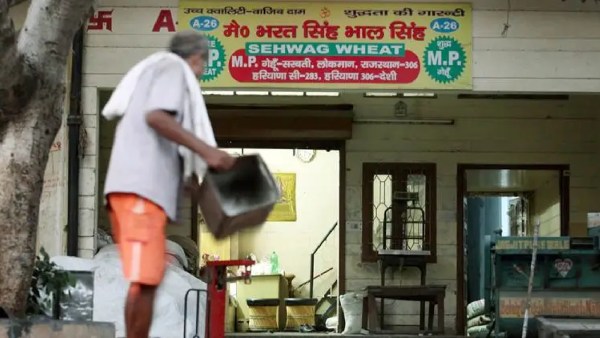 The Sehwag wheat store at the grain market in Najafgarh. The batsman’s early cricket career was funded by income generated from here. Later, his name was enough for his family to attract traders. (Express photo by Ravi Kanojia)
The true greats re-define the image of the place where they grew up in. Their cricket exploits make them resident royalty. Nawab of Najafgarh, Mumbai cha Raja, Prince of Kolkata – Virender Sehwag, Rohit Sharma and Sourav Ganguly have been change-makers to their cities.
ALSO READ | Viru’s Homeland: Looking for Bholi in Najafgarh
If not for Sehwag, Najafgarh’s fame would still be its infamy. It would be only known for gangs, the badlands on the out-skirts of Delhi. Without Ganguly, Kolkata would still be a place of cricket watchers and not world class cricketers. Had there been no Shoaib Akhtar, Rawalpindi wouldn’t have had a world-famous Express. It would just be another Pakistan city known for its Bazaars and nihari. Back in the day, when international cricket was regularly played in Pakistan, reporters would visit Rawalpindi to meet Shoaib’s many victims with scars that reminded them of days when they faced the 150 kph bowler.
Story continues below this ad
Years back, with similar thoughts, one had taken a detour when travelling from Galle to Colombo on India’s tour to Sri Lanka in 2008. Sanath Jayasuriya got his name – Matara Mauler – because of the coastal town he was born in. The marauding Sri Lankan opener was 40, well past his prime, but his birthplace backed him to the hilt.
An auto driver, an over-eager companion on that scenic trip, would keep one busy with Jayasuriya tales on the way to his house. Mother, once a souvenir shop attendant, would be at the door that had ‘Buddham Sharanam Gacchami” sign. She would narrate a tsunami incident that gave an idea about why this was Jaya’s den.
Caught in the giant wave that had hit her home, the mother recalled holding on to the trunk of a tree. Help wasn’t forthcoming, everyone was in survival-mode. That would change the instant she shouted: “I am Sanath Jayasuriya’s mother.” The nosey auto-driver, listening to the mother in rapt attention so far, would say: “They were just doing their duty. Jayasuriya had done so much for this place.”
Matara was a good story but the place where high priests of the sports, the GOATS, reside becomes a pilgrimage. Outside Sachin Tendulkar’s Bandra home, all through the day, tourists disembark with the hope that the Master would emerge from the high gates any minute. Next they all head to Shivaji Park, where the tour guides point to the pitches where Little Sachin batted. It’s same at Australia’s rural town of Bowral, once a summer retreat for Sydney residents, now a must-visit place for Sir Don Bradman’s faithfuls.
Story continues below this ad
In West Delhi, where Virat Kohli once lived, even the joint where he ate chhole bhature is iconic. Rahul Dravid willingly plays Indiranagar ka Gunda since he knows it’s his locality, here he could get away with anything. He gives the place its identity, a connection to the world.
They say, it is the place that makes the man. In some cases, the man returns the favour to re-make the place.