4 min readHyderabadMay 5, 2026 07:02 PM IST
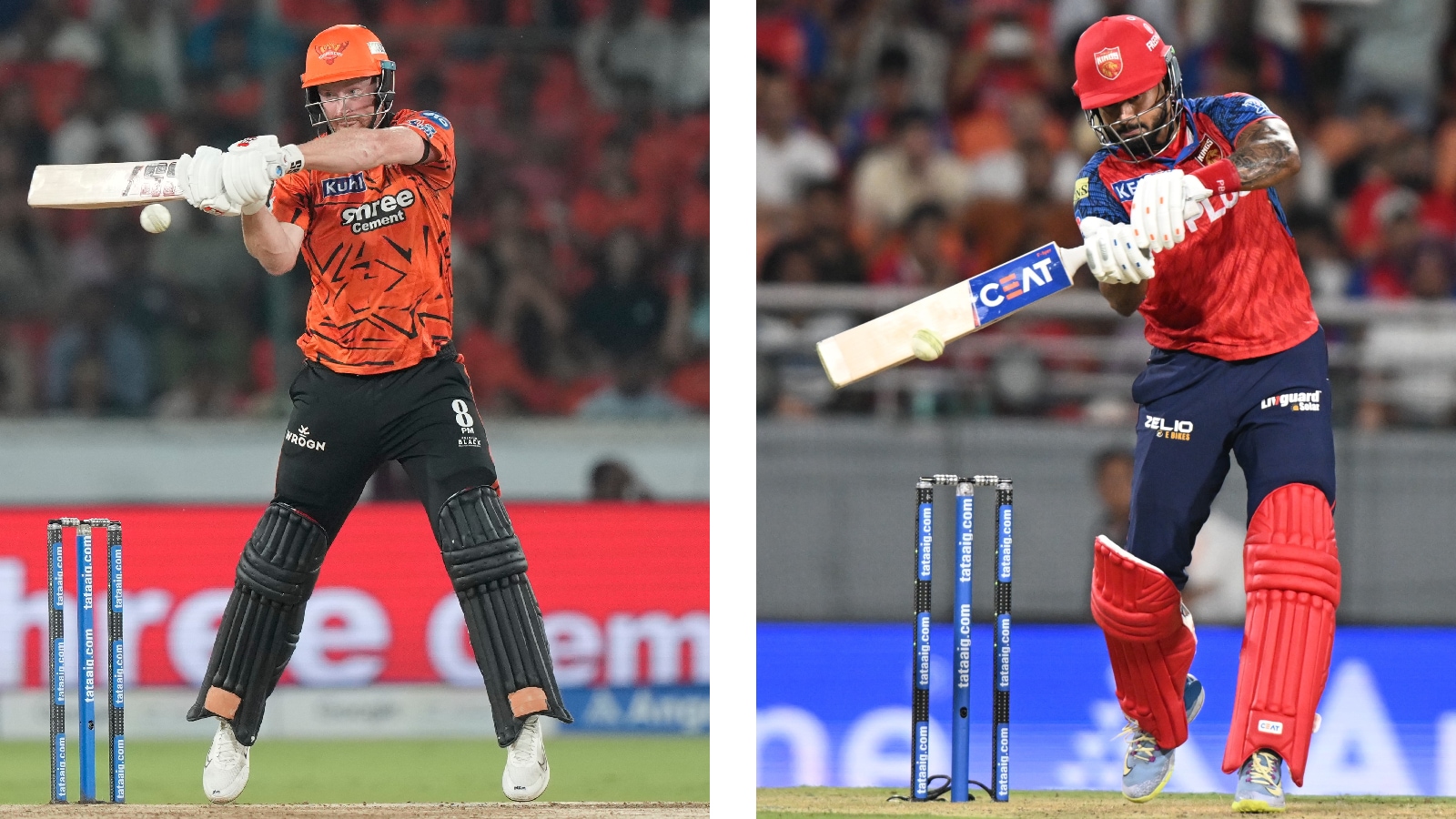
Number four is the position nobody wants until the game needs saving. Too early and you’re wasting resources; too late and the target is already out of reach. This season, two batters have made it look straightforward: Heinrich Klaasen for Sunrisers Hyderabad, Shreyas Iyer for Punjab Kings.
They are the only two middle-order batters among the top 15 run-getters in IPL 2026. The other thirteen are top-order batsmen — openers, mostly, with Jos Buttler and Ishan Kishan coming in as the odd number threes. The position demands something different: the ability to walk in against fiery pacers when two wickets have fallen early, read the situation in three deliveries, and bat accordingly. Or walk in when 90 have already come in ten overs, and not slow that rate down. Very few have done it consistently. Suryakumar Yadav was one. Glenn Phillips another.
Klaasen was not the designated number four for Sunrisers last year. Nitish Kumar Reddy was, and the biggest issue he faced was timing — either taking too long to get going or starting before he’d read the pitch. Klaasen, with his experience, fitted into the position right away. Against Kolkata Knight Riders, with the team in trouble, he made 52 off 35. Against Lucknow, 62 off 41 — each time building from nothing, calm head down, laying foundation for the overs that followed.
Some questioned his strike rate during those innings. Klaasen’s answer was clean: “I’ve been in difficult situations, and then you have to take responsibility and be mature about it. You can’t just deal with it, and that’s not how the game works. I don’t care about strike rate. You just have to find different ways to score ten runs, ensuring you still post a good score.”
Then, when Sunrisers needed him aggressive from ball one, against Mumbai Indians he made 65 off 30. Against Delhi Capitals, 37 off 13. He had turned a dial rather than changed a philosophy.
While Klaasen had to move from low gear to high, Iyer had to move the other way — from number three down to four — and recalibrate entirely. Unlike Klaasen, who already had the power and needed to work on strike rotation, Iyer had to add power, to match the youngsters around him getting blistering starts. “The way they hit the ball, they clear the boundary so easily — it rubs into me as well,” he said early in the tournament. He also wanted to dominate immediately. “I just like to dig into the bowlers when the chips are down. I don’t want to get into that mindset where the bowler gets onto me.”
His three innings — 69 off 33 against Sunrisers, 66 off 35 against Mumbai, 71 off 36 against Delhi — all came in chases, when Punjab were hunting large totals and the required rate was already climbing. He didn’t wait for the game to slow down. He ran at it.
Story continues below this ad
The two share one visible similarity despite their contrasting routes to the position: a strike rate of 139 for Klaasen and 136 for Iyer in their first ten deliveries. Neither charges out immediately. They take a few balls, read the pitch, read the situation — then shift. Once they do, Klaasen maintains a similar tempo against both pace and spin: 155 and 159 respectively. Iyer, who usually goes hard at spinners, has been harder on pace this season — 174 against pacers, dropping to 156 against spin.
Different instincts, different routes. The outcomes have been similar enough to keep both teams in contention for the playoffs.
— With inputs from Lalith Kalidas

Stay updated with the latest sports news across Cricket, Football, Chess, and more. Catch all the action with real-time live cricket score updates and in-depth coverage of ongoing matches.
© IE Online Media Services Pvt Ltd