3 min readNew DelhiUpdated: Jun 21, 2026 10:27 AM IST
Rows of plastic drums and buckets lining the roadside in Zakhira’s Amar Park with residents waiting desperately for a Delhi Jal Board (DJB) tanker. With the DJB’s overall production remaining below peak demand due to reduced output at key water treatment plants this summer, this has been the routine for the residents of this Northwest Delhi locality. Few kilometres away in West Delhi’s Sultanpuri too has been plagued by water shortage concerns.
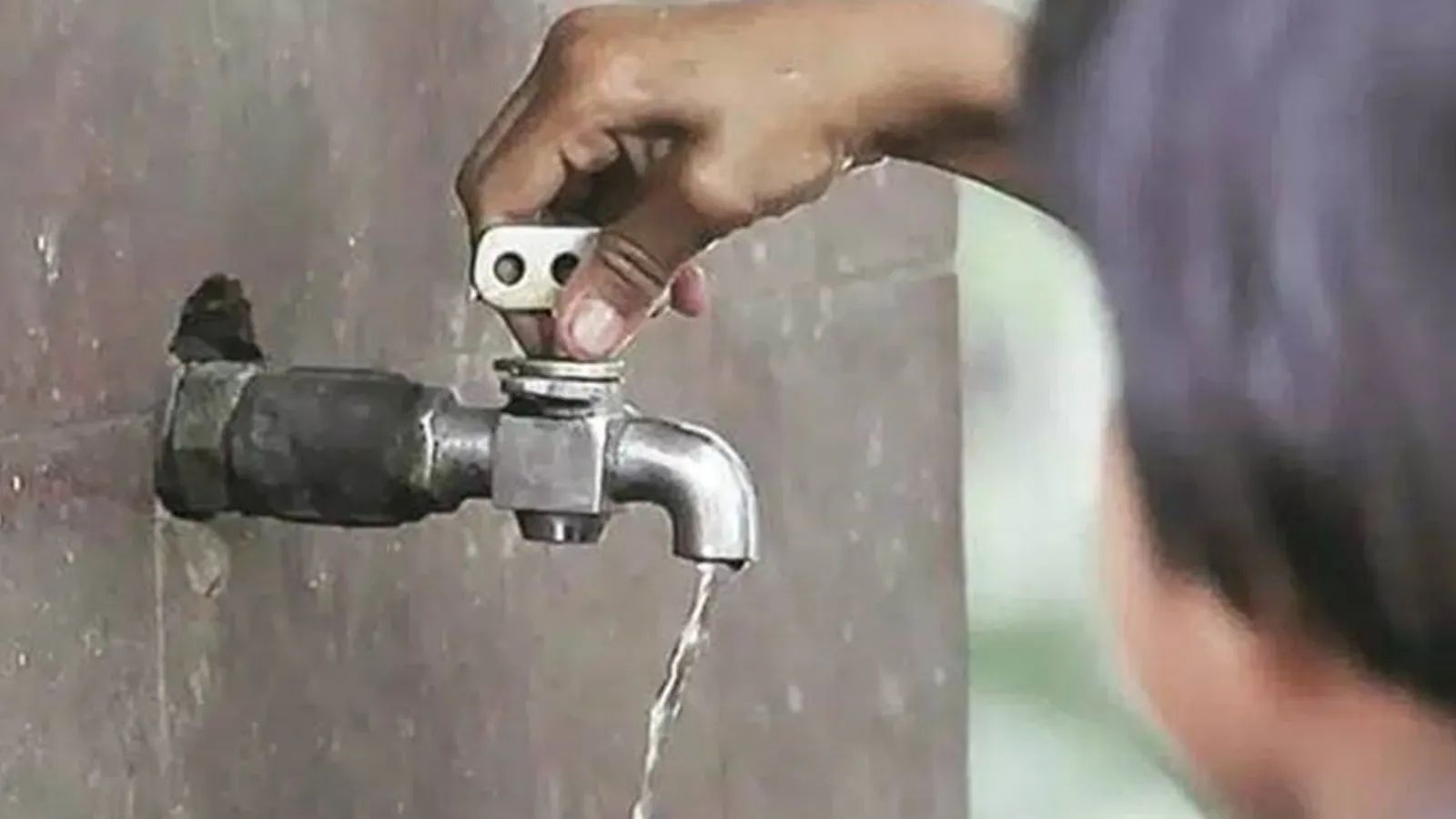
The shortage, according to locals, has been compounded by concerns over water quality, with complaints of dark, foul-smelling water occasionally flowing through the taps in the houses. “The pipeline supply has been stopped for nearly two years,” alleged Iqbal Chaudhary, 30, a resident of W Block.

According to him, nearly 500 people depend on the supply in the area, including a nearby mosque.
“We get only one or two tankers in a week. The demand is very high. We cannot even get five litres per person,” he said.
The locality fall primarily under the Chandrawal Water Treatment Plant supply zone, which feeds large parts of Central-West Delhi, while also drawing system-level support from the Wazirabad network through Delhi’s interconnected distribution grid.
Reduced output at these plants and low raw water levels in the Yamuna have contributed to intermittent pressure and supply disruptions in the area.
Residents said the problem extends beyond scarcity. “For six months, the taps have been dry. And when water does come, it is highly contaminated. Kalla paani aata hai, naale ka paani se kaise hum usse use kare? (It is completely black. How can we use sewage-mixed water?) The smell is unbearable,” said Chaudhary.
Story continues below this ad
Another resident at Sultanpuri said, “We have been facing serious water shortage issues. Nobody is taking a look into it.”
DJB officials have attributed wider disruptions in the Capital to reduced production at major water treatment facilities, including the Wazirabad and Chandrawal plants, which have been operating below capacity due to low raw water availability from the Yamuna.The shortfall has brought down overall supply levels in the city, affecting multiple neighbourhoods.
Following complaints from residents, officials said water samples have been collected from the locality and sent for laboratory testing.

Stay updated with the latest – Click here to follow us on Instagram