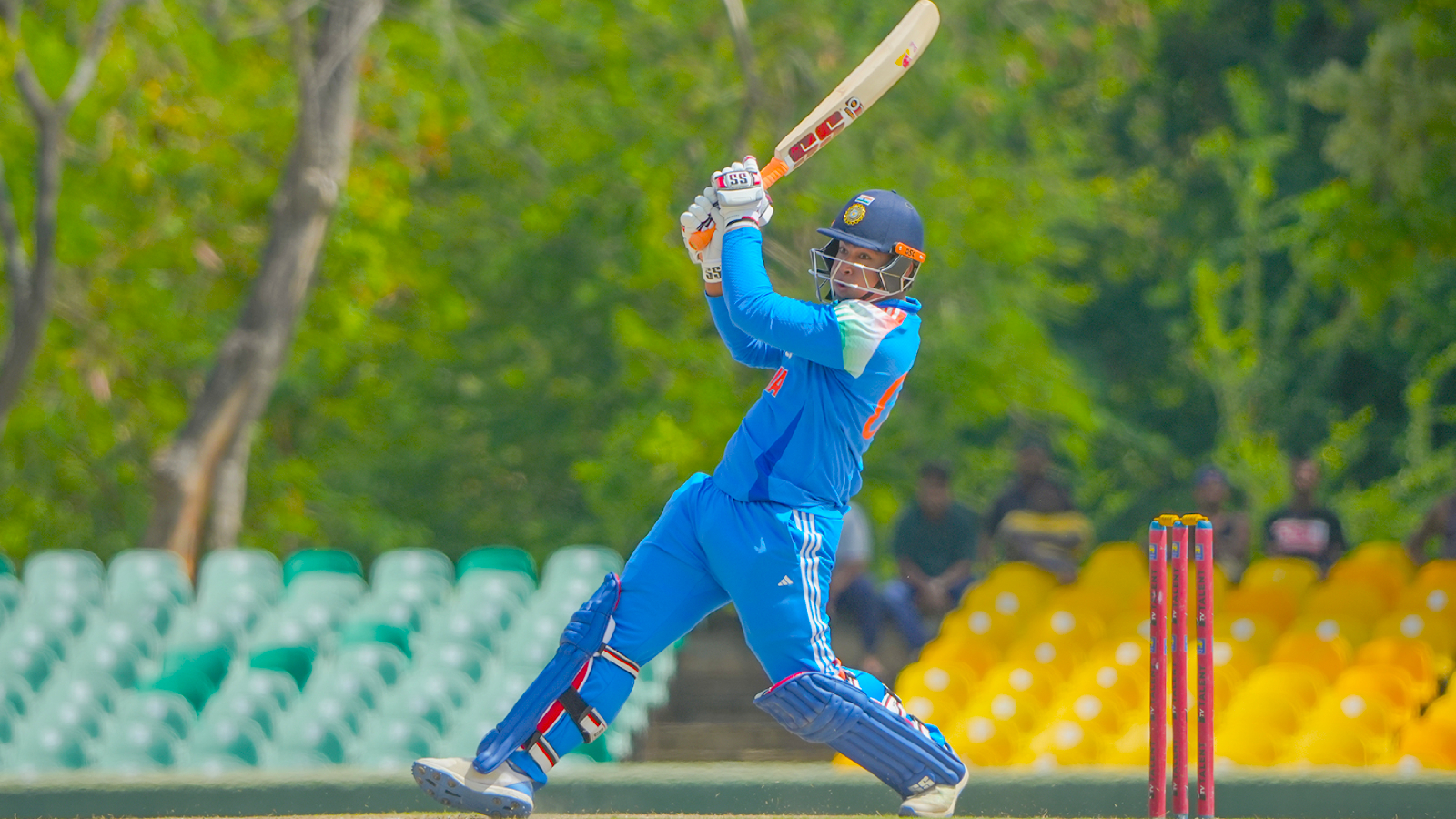
India’s new T20I era under Shreyas Iyer began with a shock 2-0 series defeat to Ireland in Belfast. As they prepare for the first T20I against England in Durham on Wednesday, the biggest selection debate centres around whether teenage sensation Vaibhav Sooryavanshi should walk straight into the playing XI.
It is an understandable discussion. Sooryavanshi has quickly become one of the most talked-about young batsmen in the country, and with good reason. The temptation to see what he can do at the highest level will only grow. But international selection is rarely just about talent or excitement. It is also about timing and resisting the urge to alter something that is already working.

Settled combination
Right now, Abhishek Sharma gives India a stronger argument for continuity.
Yes, he did fall for a duck in the second T20I against Ireland, but taken in isolation, that means very little. A look at the fuller picture, and his recent run reads: 49, 52, 9, 10, 55 and then that duck. That is not a batter out of touch. It is an opener doing exactly what he is picked to do – playing high-risk cricket at the top while consistently producing impactful starts.
More importantly, his output this year has been excellent. He has 372 runs in 15 T20Is at a strike rate of 203.27. Those are not merely impressive numbers; they are the sort that define elite modern T20 openers.
That matters because opening in T20 cricket is among the most unforgiving roles in the format. When a batter is delivering that level of impact, there has to be a compelling reason to move away from him.
For Wednesday’s opener, the Sooryavanshi debate becomes less about talent and more about team balance.
Story continues below this ad
India already have clarity at the top. Abhishek has cemented one opening spot, while the partnership with Sanju Samson has done enough to deserve another outing. Bringing in a 15-year-old opener for the first T20I would not simply be a like-for-like change. It would mean reshuffling roles, altering the Powerplay approach and disrupting a combination that has only recently begun to settle.
There is also the immediate challenge of conditions in Durham. Early-season English pitches can be unforgiving for top-order batters, with seam movement often available in the opening overs. That is not the easiest environment in which to hand a teenager his debut, especially one still at the beginning of his international journey.
India’s T20 World Cup-winning campaign earlier this year was built on clearly defined roles and stability at the top. Successful T20 sides are not afraid to evolve, but they also avoid making unnecessary changes when combinations are working.
At the moment, Abhishek is not producing occasional cameos; he has been consistently giving the kind of explosive starts India want in the Powerplay. Replacing him now, without any sustained dip in form or obvious tactical requirement, would be difficult to justify.
Story continues below this ad
Causing uncertainty
There is another consideration, too. If an in-form player loses his place after one low score because of the excitement around a younger contender, it could create uncertainty in a dressing room.
None of this suggests Sooryavanshi is far away. Quite the opposite. Players with his talent rarely spend long time waiting in modern T20 cricket. But the best transitions usually take place when a place opens naturally or when form demands a change, not when a settled combination is broken.
That is the heart of India’s selection dilemma.
The first T20I against England does not feel like the right moment to experiment at the top. It feels like an opportunity to back a combination that has earned the right to continue.
For Wednesday, at least, India’s smartest move is restraint. Not because Sooryavanshi is not ready, but because Abhishek has given them no reason to change course. His opportunity will come. It just does not need to come in the first T20I.