3 min readNew DelhiMay 6, 2026 12:31 AM IST
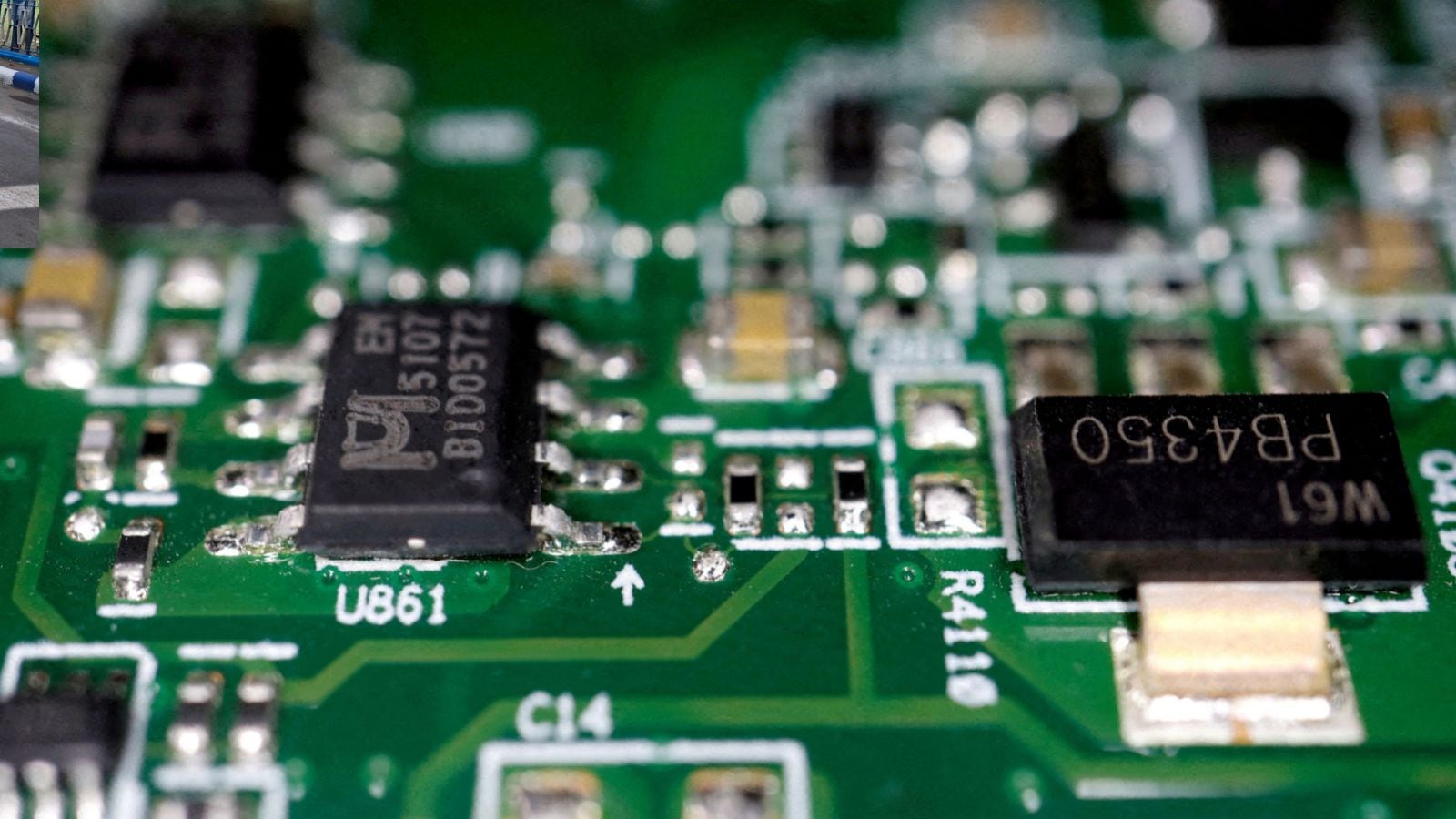
The Union Cabinet on Tuesday approved two new semiconductor plants in India, including one that could be the country’s first commercial display facility, in a fresh boost to New Delhi’s chip ambitions. These plants are likely to be the last ones to receive clearance under the first iterations of the Rs 76,000 crore India Semiconductor Mission (ISM), with ten other plants having previously received approvals.
Crystal Matrix Ltd (CML) will establish an integrated facility for compound semiconductor fabrication and assembly based on GaN (Gallium Nitride) technology for manufacturing Mini/Micro-LED display modules. The integrated facility, which will come up in Dholera, Gujarat, will also provide GaN foundry services.

The proposed products will have applications in large displays for TVs and signages/commercial displays, medium-sized displays for tablets, smartphones, and in-car displays, and micro-displays for extended reality (XR) glasses and smart watches. The project will cost Rs 3,068 crore, with approximately 50% of capex costs covered by the government under the incentive scheme.
Suchi Semicon Pvt Ltd (SSPL) will set up an Outsourced Semiconductor Assembly and Test (OSAT) facility in Surat, Gujarat worth Rs 868 crore for manufacturing discrete semiconductors. The proposed production capacity of this plant is 1 billion chips per annum. Its target applications include power electronics, analog ICs, and industrial systems, serving end markets such as automotive, industrial automation, and consumer electronics.
With these two approvals, the total number of approved projects under the USM reaches 12, with cumulative investments of around Rs 1.64 lakh crore.
Launched in 2021 with a Rs 76,000-crore outlay, ISM 1.0 was conceived as a state-backed push to build a full-stack chip ecosystem, from fabrication and packaging to design and display manufacturing.
The government is working on the next iteration of the plan, and could approve a scheme with an outlay of around $11 billion, The Indian Express had earlier reported. However, under the revised scheme, the priorities of the government might change. While ISM 1.0 focused on attracting chipmaking infrastructure to India, ISM 2.0 is likely to offer greater support to ancillary industries such as gases, chemicals and capital goods, among others.
Story continues below this ad
ISM 2.0 could also see a much more significant design-side push, and tie incentives to the amount of market capital companies are able to raise.


© The Indian Express Pvt Ltd