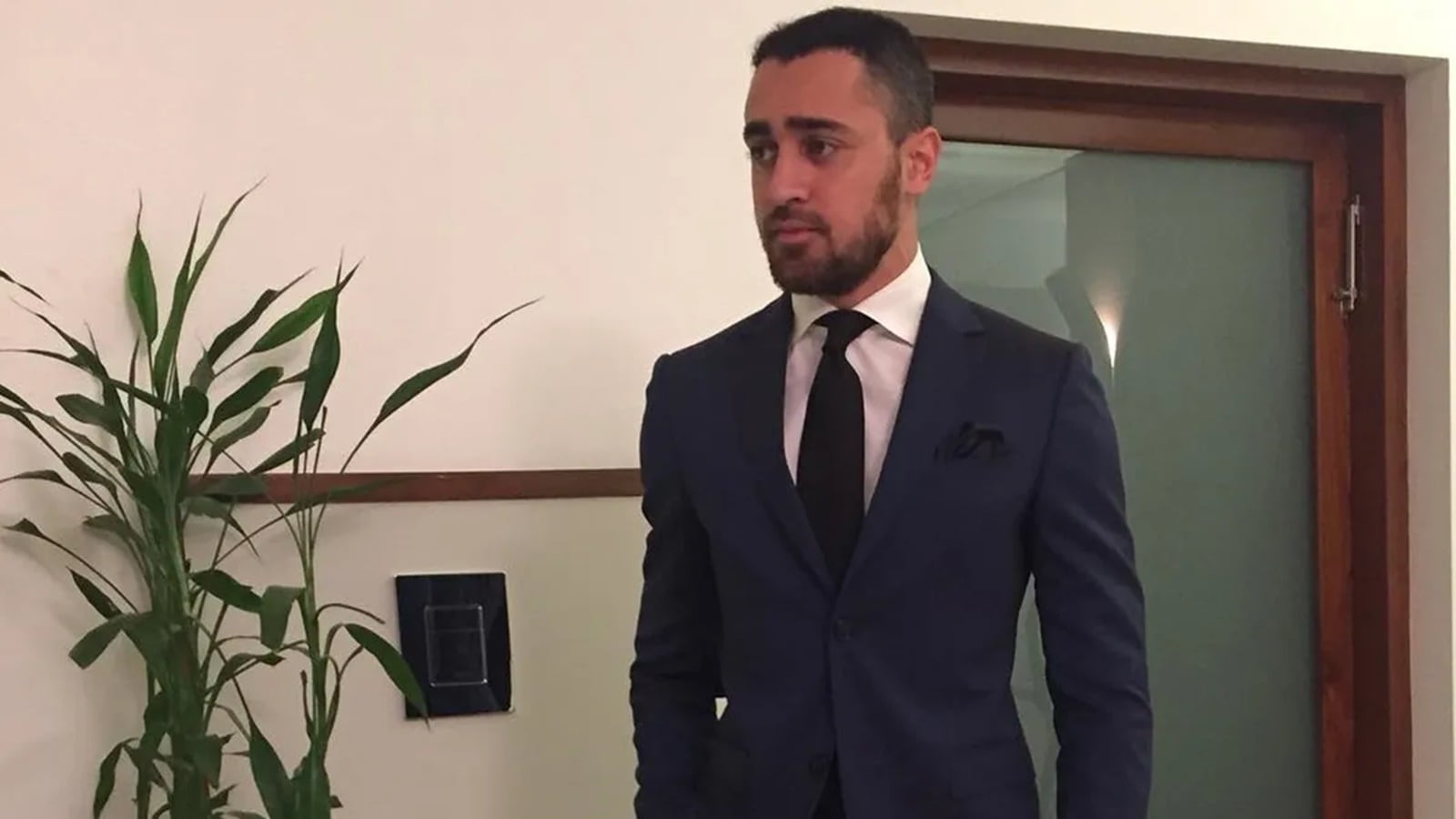
Actor Imran Khan recently opened up about being a single parent to his daughter, Imara, and shared that he has “consciously adjusted” his life around her so she feels her father values spending time with her. “We share custody. Half the week, she is with me, and half the week, she is with her mom. We balance. We did have a nanny to help around initially. I wanted time with my child. I was home by the time I separated. Children value presence. I wanted her to know that,” he told Parineeti Chopra on her talk show on Zee5.
During the conversation, Khan, whose daughter is now 12, said single fathers don’t receive the same support as single mothers. He also shared how he manages daily chores like packing her lunch and dropping her off at school. “People are taught incorrectly that child rearing is work or responsibility. This is not work. It is your child. I treat it as my privilege that I get to spend this time with my child. It’s joyful. It’s love. Now, she is 12. It was not a point of pride but greed, as I wanted this time with her. I separated from my ex-wife when our child was 4 and a half years old. We were co-parenting. I was very clear that I want to put her to sleep, take her to play, teach her things.”

Talking about being an “emotional father” and “crying” when his child even “falls down”, Khan, who got divorced from his ex-wife Avantika Malik in 2019, noted that he had a model to follow in his own parents, who were separated when he was all of three. “I was raised by a single mom. My mom remarried when I was a little older. This was the 80s. There was judgment. I have to give credit to both my parents. They both made sure that looking after me was a priority. So, I had a model to follow,” he expressed.
His words touched a reality many parents quietly live through but rarely speak about openly, said psychotherapist and life coach Delnna Rrajesh.
“He shared how single fathers often do not receive the same emotional support or understanding that single mothers rightfully do. He spoke about everyday responsibilities like packing lunches, school drop-offs, managing routines, and constantly showing up for his child. On the surface, these may look like ordinary parenting tasks. But emotionally, they carry the weight of consistency, responsibility, and presence. For years, society has built emotional understanding around the struggles of single mothers, which is deeply important. But many single fathers also silently navigate emotional fatigue, loneliness, guilt, overwhelm, and pressure without feeling they have enough safe spaces to express it,” said Delnna.
 Imran Khan talks about single parenting after separation (Photo: Freepik)
Many men grow up being taught how to provide financially, but not necessarily how to process emotional exhaustion openly. They are conditioned to stay composed, manage silently, and continue functioning no matter how tired they feel internally. “This is why many single fathers continue carrying emotional burdens quietly,” mentioned Delnna.
And parenting involves much more than logistics. “Packing a child’s lunch is not just about food. It is remembering routines, preferences, school timings, nutrition, emotional moods, forgotten assignments, and simultaneously trying to create emotional stability for the child.”
Story continues below this ad
Children do not only need a provider. They need emotional consistency. “One of the hardest parts of single parenting is that there is often no emotional handover. No pause button. No one to mentally split responsibilities with. The mind remains constantly active. Over time, this can create emotional burnout; irritability; chronic exhaustion; feelings of inadequacy, and emotional isolation,” expressed Delnna.
From a psychotherapy perspective, one of the most overlooked struggles of single parents is the invisible mental load they carry every single day. “The mind is continuously planning, anticipating, remembering, adjusting, and emotionally monitoring the child’s well-being.”
Parents also need to stop expecting perfection from themselves. Children do not need a constantly exhausted parent trying to overperform. “They need a parent who is emotionally available and regulated,” said Delnna.
Another important practice is uninterrupted emotional connection time. “Even 15 to 20 minutes daily where the child feels fully heard without correction, distraction, or rushing can deeply strengthen emotional security.”
Story continues below this ad
Single parents also need to normalise asking for help. “Support from trusted family members, friends, schools, counsellors, or community systems is not a weakness. Human beings were never psychologically designed to raise children in complete emotional isolation. And perhaps most importantly, parents must learn to regulate themselves before regulating the child. Parenting is not measured only by family structure. It is measured by emotional presence. And many fathers today are redefining fatherhood. Not only as providers, but as emotionally involved, nurturing, hands-on parents. That shift matters deeply for future generations. Because children may eventually forget expensive gifts or grand gestures. But they rarely forget the parent who consistently showed up for them in the ordinary moments of life,” described Delnna.