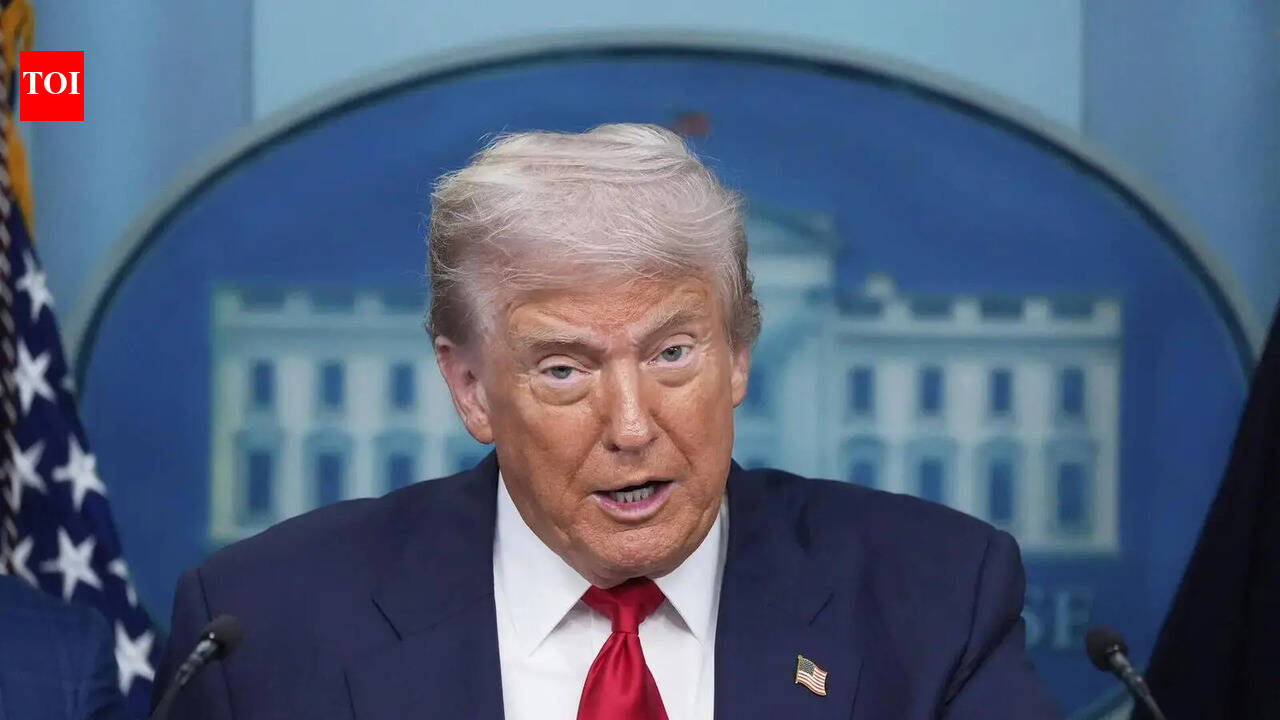
The US administration is attempting to redirect Iranian assets to Gulf states for rebuilding and repairing damage caused by Iran following a wave of missile and drone strikes against Kuwait and Bahrain.US Treasury Secretary Scott Bessent has directed a team to assess the cost of damage already inflicted on America’s Gulf allies, with Washington also considering the use of Iranian assets to fund repairs for any future destruction linked to the conflict, Reuters reported.The announcement comes a day after Mohsen Rezaei, military adviser to Iran’s Supreme Leader Ayatollah Mojtaba Khamenei, said a potential peace agreement between Tehran and Washington depended on the release of $24 billion in Iranian assets frozen by the United States.The latest development threatens to further complicate already fragile ceasefire efforts between the two countries, with fighting flaring again over the weekend despite ongoing diplomatic efforts to secure an interim agreement.US officials are examining Iranian assets that could potentially be redirected towards reconstruction efforts in Gulf countries affected by Iranian attacks. The proposal emerged as US-Iran negotiations appeared increasingly deadlocked. Rezaei told CNN on Friday that Tehran viewed the release of the $24 billion as a key test of trust and a necessary step towards any broader agreement.Meanwhile, military tensions continued to escalate across the region.US forces struck Iranian coastal radar installations in Goruk and on Qeshm Island in the Strait of Hormuz early on Saturday after intercepting drones that US Central Command said posed a threat to maritime traffic. The US military later said it had also shot down two additional Iranian attack drones near the strategic waterway.Iran’s Revolutionary Guard responded by launching missiles towards US military facilities in Kuwait and Bahrain. Kuwaiti authorities said seven ballistic missiles passed over residential areas, causing material damage but no casualties. In Bahrain, warning sirens sounded across parts of the country as residents were urged to seek shelter.While Iranian state media claimed the missiles struck American bases in both countries, the US military said six missiles were intercepted and a seventh failed to reach its intended target.The United States and Iran have been engaged in indirect negotiations aimed at securing an interim arrangement that would halt hostilities while leaving more contentious issues, including Tehran’s nuclear programme, for future talks.However, progress has remained elusive as both sides continue military operations alongside diplomatic engagement.Tehran is seeking access to billions of dollars in oil revenues, sanctions relief on crude exports, the lifting of restrictions affecting its ports and greater leverage over the Strait of Hormuz, through which roughly one-fifth of global oil shipments passed before the conflict disrupted maritime traffic.In a sign that mediation efforts are continuing, Pakistani interior minister Mohsin Naqvi arrived in Tehran on Saturday carrying what Iranian media described as a ‘special letter’ from Pakistan’s army chief and prime minister to Khamenei. Naqvi is expected to hold talks with senior Iranian officials, including Iranian foreign minister Abbas Araqchi.The conflict has also placed increasing pressure on US President Donald Trump, who faces domestic criticism over rising fuel prices and broader economic disruptions caused by the war.Speaking to NBC News, Trump said US operations had significantly degraded Iran’s missile and drone capabilities but acknowledged that Tehran still retained a substantial arsenal.“They have some missiles, they have some drones. I would say percentage wise, maybe 21% to 22% of their missiles. It’s a lot of missiles, but it’s not what it was when we first attacked,” Trump said.Beyond the Gulf, tensions remain high across the wider region. In Lebanon, two army officers and a soldier were killed in an Israeli strike on a military vehicle in the country’s south. The Israeli military said it was investigating the incident.Iran has linked any broader agreement with Washington to a ceasefire in Lebanon between Israel and the Iran-backed Hezbollah movement. However, Israel has maintained that its military operations will continue, highlighting the complex web of regional disputes that continue to complicate peace efforts.With negotiations stalled and war completing three months, prospects for a lasting agreement remain uncertain.