5 min readNew DelhiUpdated: Apr 20, 2026 11:57 AM IST
Sam Altman-backed World (formerly Worldcoin) has announced a slate of updates, including new partnerships with Tinder and Zoom aimed at accelerating mainstream adoption of its biometric verification technology.
Tools for Humanity (TFH), the startup behind the World project, said on Friday, April 17, that it is looking to integrate its verification tech into dating apps, event and concert ticketing systems, business organisations, email, etc. It also launched the latest version of the World app that can be used to access an in-app encrypted messaging feature called World Chat and other human authentication services.

Based on the belief that it will eventually be impossible to distinguish humans from AI bots on the internet, the World project looks to offer an alternative ‘human authentication’ method to existing bot prevention measures such as CAPTCHA and facial recognition, while still protecting users’ anonymity.
To this end, the company has said it has created ‘proof of human’ tools based on complex cryptographic methods such as zero-knowledge proof-based authentication.
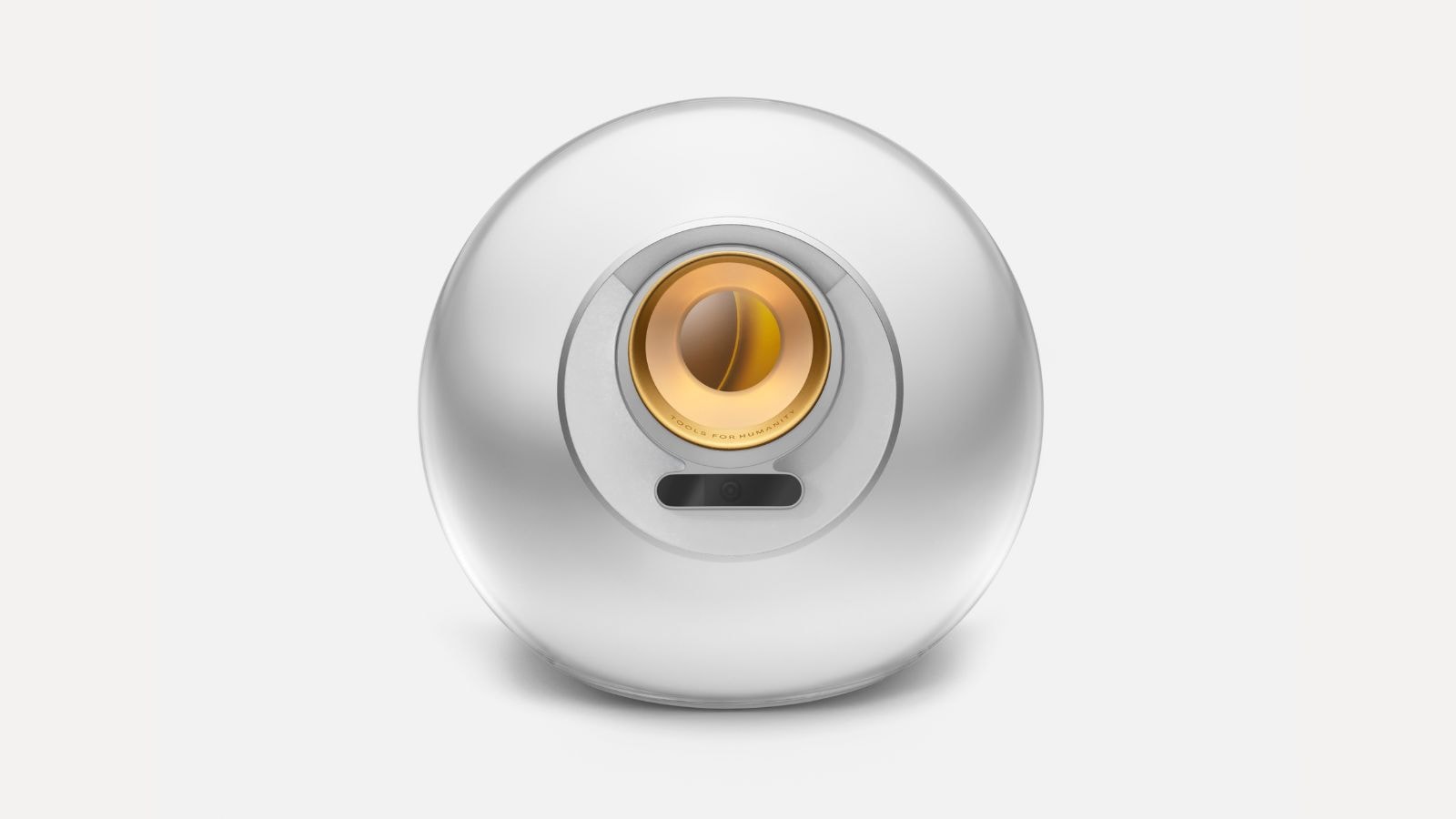
One such World tool is a spherical device called the Orb that scans a user’s eyes and converts their iris into a unique and anonymous cryptographic identifier or ‘World ID’. This unique ID can then be used to access World’s services as well as third-party platforms that support its integrations.
The Orb device also aims to prevent the misuse of AI-generated deepfakes by scanning a person’s face and iris.
World’s latest partnership with Tinder arrives amid a broader surge in dating app scams. The verification option is expected to be available for users in global markets such as the United States. It comes a year after the dating app launched a World ID pilot programme in Japan. As part of the programme, the profiles of users that underwent World’s verification processes, displayed a World ID emblem, authenticating them as a real person and not a bot.
Story continues below this ad
“The world is getting close to very powerful AI, and this is doing a lot of wonderful things. We are also heading to a world now where there’s going to be more stuff generated by AI than by humans. I’m sure many of you [have had moments] where you’re like, ‘Am I interacting with an AI or a person, or how much of each, and how do I know?” OpenAI CEO Sam Altman said at the World event on Friday.
World already has a presence in the United States, and entered the United Kingdom last year. The company on Friday announced that it is significantly expanding the deployment of its Orb devices in cities such as New York, Los Angeles, and San Francisco. Interested users can also have World bring an Orb to their location for remote verification.
Other announcements
– Concert Kit: The company has launched a new feature called Concert Kit that lets musical artists reserve a certain number of concert tickets for World ID-verified humans. It is designed to protect attendees from scalpers who often use automated bots to seize tickets before anyone else. The Concert Kit feature will be rolled out in major ticketing systems, including Ticketmaster and Eventbrite.
– Zoom integration: World ID verification integration in Zoom looks to address the growing threat of AI deepfakes in business calls. The company has further partnered with Docusign to ensure the authentication of signatures from humans versus bots.
Story continues below this ad
– Agent delegation: In anticipation of the emerging agentic AI web, World announced this feature that allows a person to delegate their World ID to an agent to carry out online activities on their behalf. This feature has reportedly been developed in partnership with authentication firm Okta, which is working on its own system to verify AI agents acting on behalf of a human.
World has also unveiled different tiers of verification. The highest tier is verification via the Orb device while the mid-level tier uses an anonymised scan of an official government ID via the card’s NFC chip. On Friday, the company introduced a low-level verification tier that only requires taking a selfie.
“Selfie is private by design. That means that we maximise the local processing that’s happening on your device, on your phone, which means that your images are yours,” Daniel Shorr, one of TFH’s executives, was quoted as saying by TechCrunch.