Chandigarh:
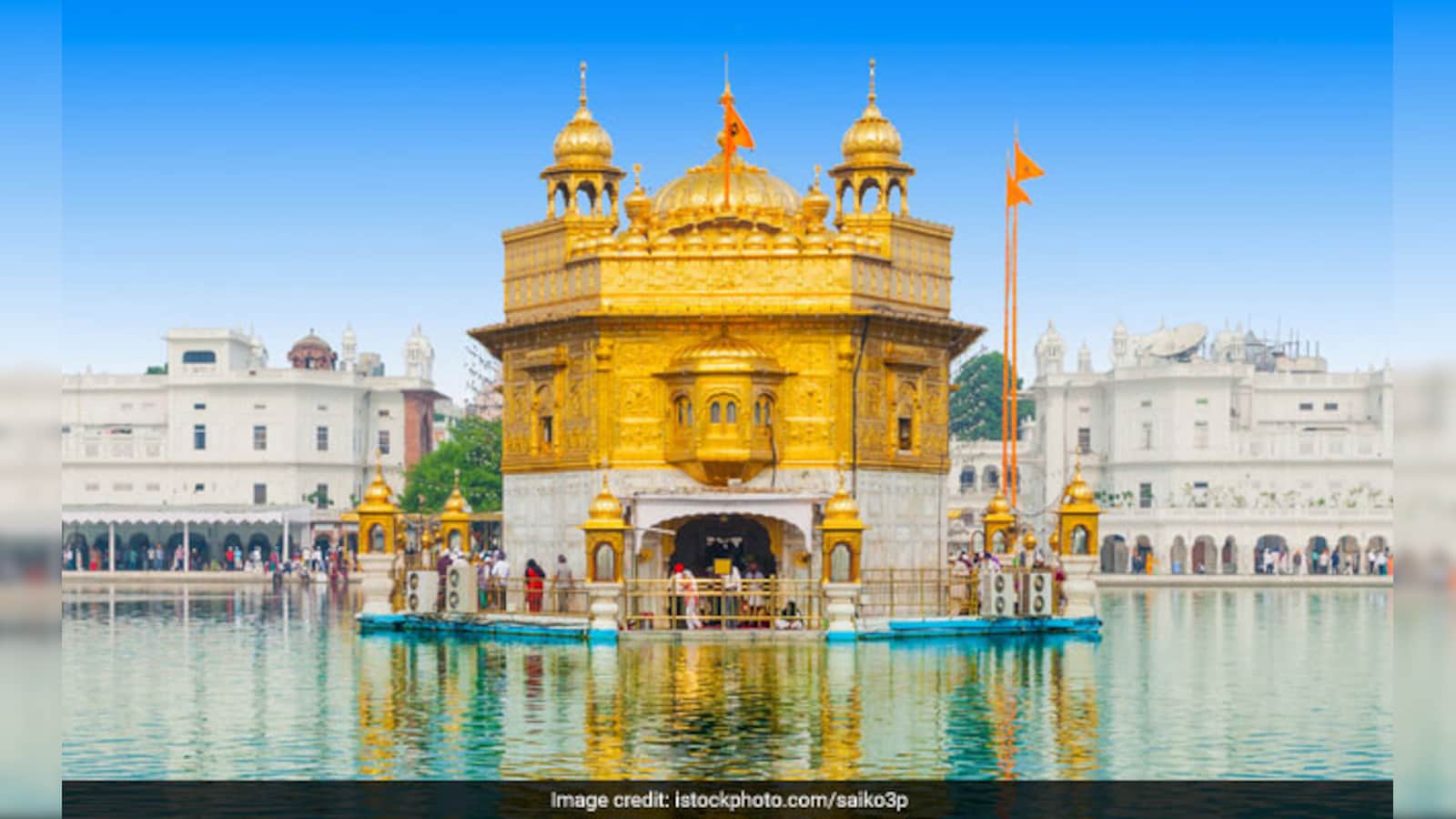
The 42nd anniversary of Operation Bluestar passed off peacefully in Punjab. The military operation remains one of the most defining and sensitive chapters in Punjab’s political and social history. Yet, despite its emotional significance, its direct impact on electoral politics has steadily diminished over the years.
Recent elections suggest that while panthic issues continue to resonate with a segment of voters, they have not emerged as the dominant factor shaping electoral outcomes. The victory of Simranjit Singh Mann in the Sangrur Lok Sabha bypoll and the election of Amritpal Singh from Khadoor Sahib demonstrated that hardline voices can still find electoral support under certain circumstances.
However, these victories were more reflective of local political dynamics, anti-establishment sentiment and dissatisfaction with mainstream parties, not an endorsement of separatist ideology.
Over the past decade, Punjab’s voters have increasingly focused on bread-and-butter issues such as unemployment, the drug menace, agrarian distress, migration, education and governance. Successive elections have shown that emotional and historical issues alone are often insufficient to secure a broad-based mandate. This shift has forced mainstream political parties to recalibrate their strategies and focus on development-oriented narratives.
However, with the 2027 Punjab Assembly elections approaching, there are indications that panthic politics could once again become a prominent feature of political discourse. The continued incarceration of Amritpal Singh has created a vacuum within the radical Sikh political space. At the same time, the weakening of the Shiromani Akali Dal has intensified the battle for control over the traditional panthic vote bank. The Akali Dal is expected to make a renewed effort to position itself as the primary defender of Sikh interests and religious identity.
The timing is also significant. Multiple incidents linked to terrorism and security concerns reported in recent months have brought issues of radicalisation and law and order back into public debate. Political parties may be tempted to invoke religious symbolism and historical grievances to consolidate support among specific voter groups.
Yet the larger question remains whether Operation Blue Star still possesses the electoral influence it once commanded. While the memory of 1984 remains deeply embedded in Punjab’s collective consciousness and continues to shape Sikh identity, recent electoral trends suggest that voters are increasingly separating historical wounds from contemporary governance choices.
As Punjab heads towards another electoral cycle, the challenge for political parties will be determining whether panthic mobilisation can still translate into votes or whether voters will once again prioritise jobs, development and governance over historical symbolism.